
How to spend 3 unforgettable days in Vienna! Here are the 42 must-see attractions of the Austrian capital with practical tips, photos, and direct pins on Google Maps, so you don’t miss a thing.
Planning to spend 3 days in Vienna, but aren’t sure how to organize your time?
Vienna is one of those European capitals where grand imperial history meets a relaxed, modern lifestyle.
From historic palaces and world-famous coffeehouses to peaceful gardens and quirky neighborhoods, the city has a lot to offer.
Just like my itineraries for 3 days in Rome and Bucharest in 3 days, I wanted to create a clear, realistic walking plan.
To help make your trip planning simple and stress-free, I put together this detailed guide for spending 3 days in Vienna.
It covers all the essential landmarks along with favorite local food spots and peaceful corners far from the big tourist crowds.
Are 3 Days in Vienna Enough?
Yes, 3 days in Vienna is the ideal amount of time for a first visit.
With 72 hours, you have plenty of time to explore the historic center (Innere Stadt) on foot, tour the famous Schönbrunn Palace, and visit the Belvedere to see Gustav Klimt’s masterpieces.
You will also have time to enjoy traditional Viennese coffeehouses and explore cool neighborhoods like Neubau and Servitenviertel without rushing.
Of course, if you have more time, you can always take day trips or extend your stay, like a scenic trip to Hallstatt and Salzburg or a day tour to Bratislava and Budapest.
However, spending 3 days in Vienna gives you the perfect balance: major sights in the mornings, scenic walks in the afternoons, and great dinners in the evenings.
What Should You Not Miss in 3 Days in Vienna?
With 3 days in Vienna, you won’t have time to see every single museum and imperial hall.
To help you focus on the most memorable experiences, here are the key highlights you shouldn’t miss during your trip:
- Schönbrunn Palace & Gardens: Walking through the vast imperial gardens and heading up to the Gloriette for panoramic views over the city.
- St. Stephen’s Cathedral: Looking up at the 230.000 colorful roof tiles and taking the North Tower lift for classic rooftop views.
- A Traditional Viennese Coffeehouse: Taking your time with a warm Melange coffee and fresh Apfelstrudel at Café Landtmann.
- The Belvedere Palace & Gardens: Strolling the terraced Baroque gardens and seeing Gustav Klimt’s famous painting The Kiss.
- The Hofburg Imperial Palace: Walking through the imperial courtyards and visiting the grand State Hall of the Austrian National Library.
- St. Charles’s Church: Admiring one of Europe’s most impressive Baroque domes and its reflection in the outdoor pond on Karlsplatz.
- The Wurstelprater & Giant Ferris Wheel: Taking in the nostalgic amusement park atmosphere and riding in the historic wooden cabins.
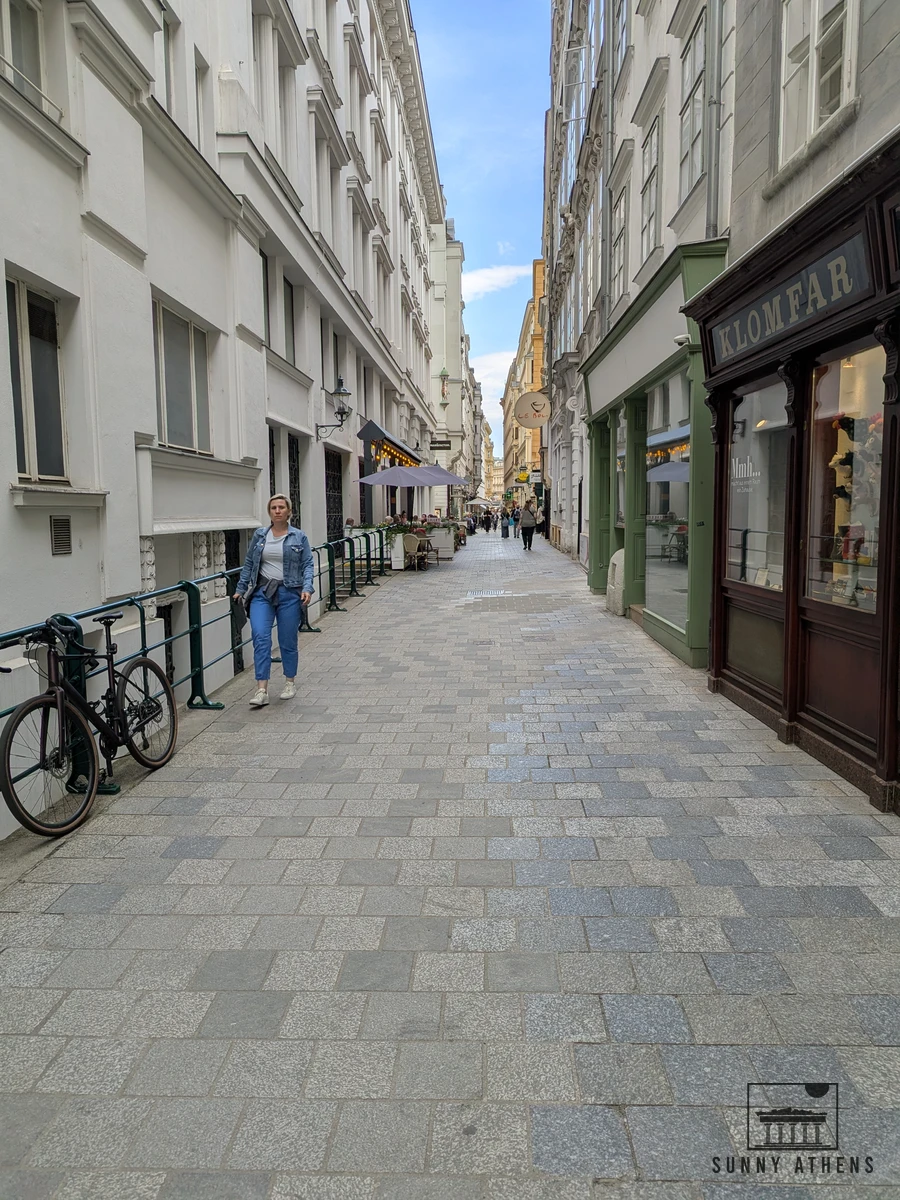
- Local Neighborhood Walks: Enjoying a peaceful evening stroll through the cobblestone streets of the Servitenviertel or the lively 7th district.
Where to Stay for 3 Days in Vienna?
During our 3 days in Vienna, Chrysavgi and I stayed at HeyMi Apartments in City Center, and it was a great choice.
The apartment was set in a typical Viennese building with high ceilings and large rooms, just a short walk from the Ringstrasse and the Votive Church.
Having our own kitchen and a quiet space to rest after walking all day was super convenient, with tram and U-Bahn stops right outside.
If you prefer a classic hotel instead of an apartment, a great mid-priced alternative is Motel One Wien-Staatsoper.
It is set in a 19th-century building just 100 meters from the Vienna State Opera, offering clean and modern rooms in a central location.
On the other hand, if you are on a tighter budget, check out JO&JOE Vienna.
Located right by Westbahnhof station, it offers affordable rooms and dorms with a green rooftop terrace and direct subway connections into the center.
Finally, if you want to treat yourself to pure classic luxury during your 3 days in Vienna, the legendary Hotel Sacher Wien is iconic.
Located right opposite the Opera House, it offers classic 5-star service and is the home of the original Sachertorte.
As a general rule, keep in mind that Vienna’s public transport is generally clean and on time, but staying near the historic center (Districts 1 through 9) saves you a lot of time.
Day 1: Historic Center, Imperial Sights & Ringstrasse
The recommended route for your first day
Your first day of 3 days in Vienna focuses on the historic Innere Stadt (1st District).
1. Café Landtmann
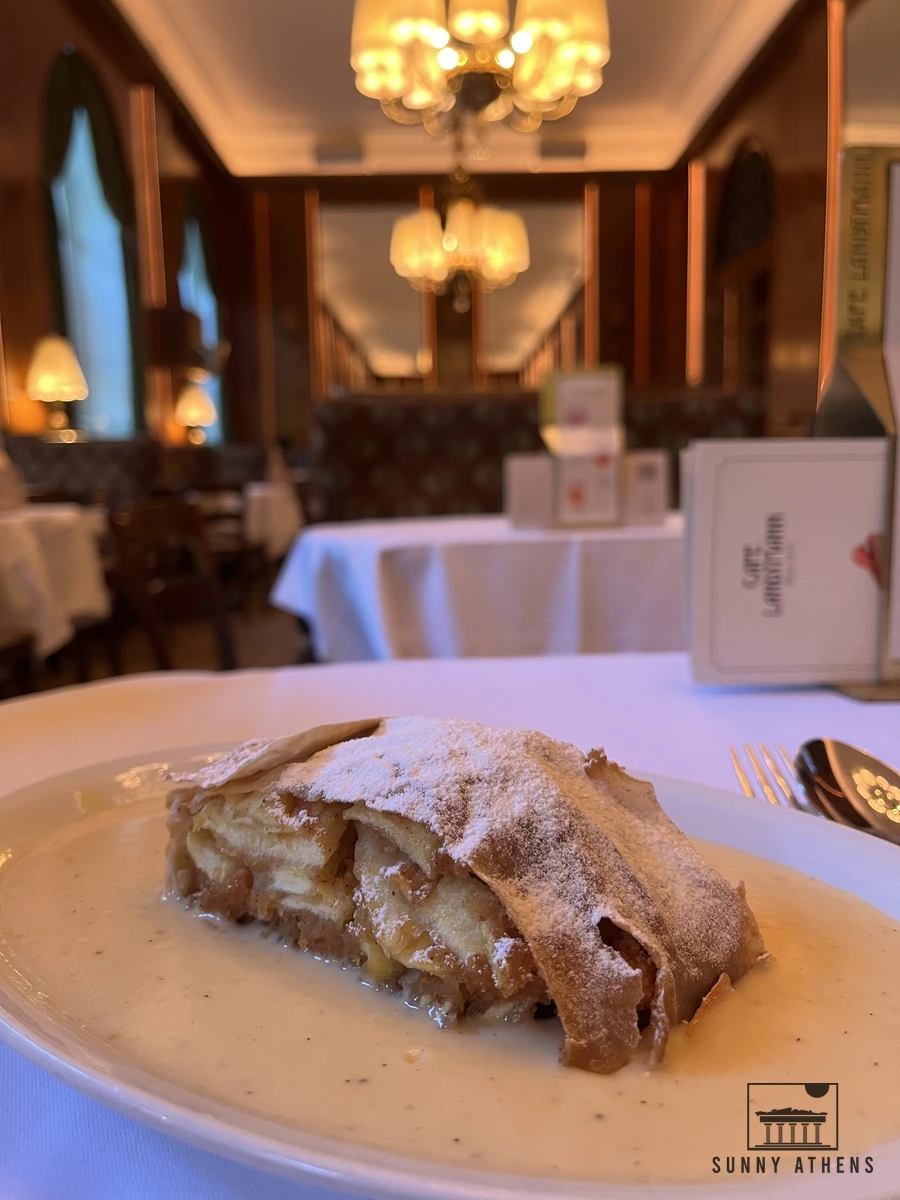
Why: Start the first morning of your 3 days in Vienna with a traditional Melange coffee and warm Apfelstrudel at the historic Café Landtmann. Opened in 1873, this famous café on the Ringstrasse has welcomed guests from Sigmund Freud to Paul McCartney while keeping its classic charm. Ask for a table inside rather than the veranda, as the classic wood-paneled interior gives you an authentic, classy Viennese coffeehouse atmosphere.
2. Ferstel Passage
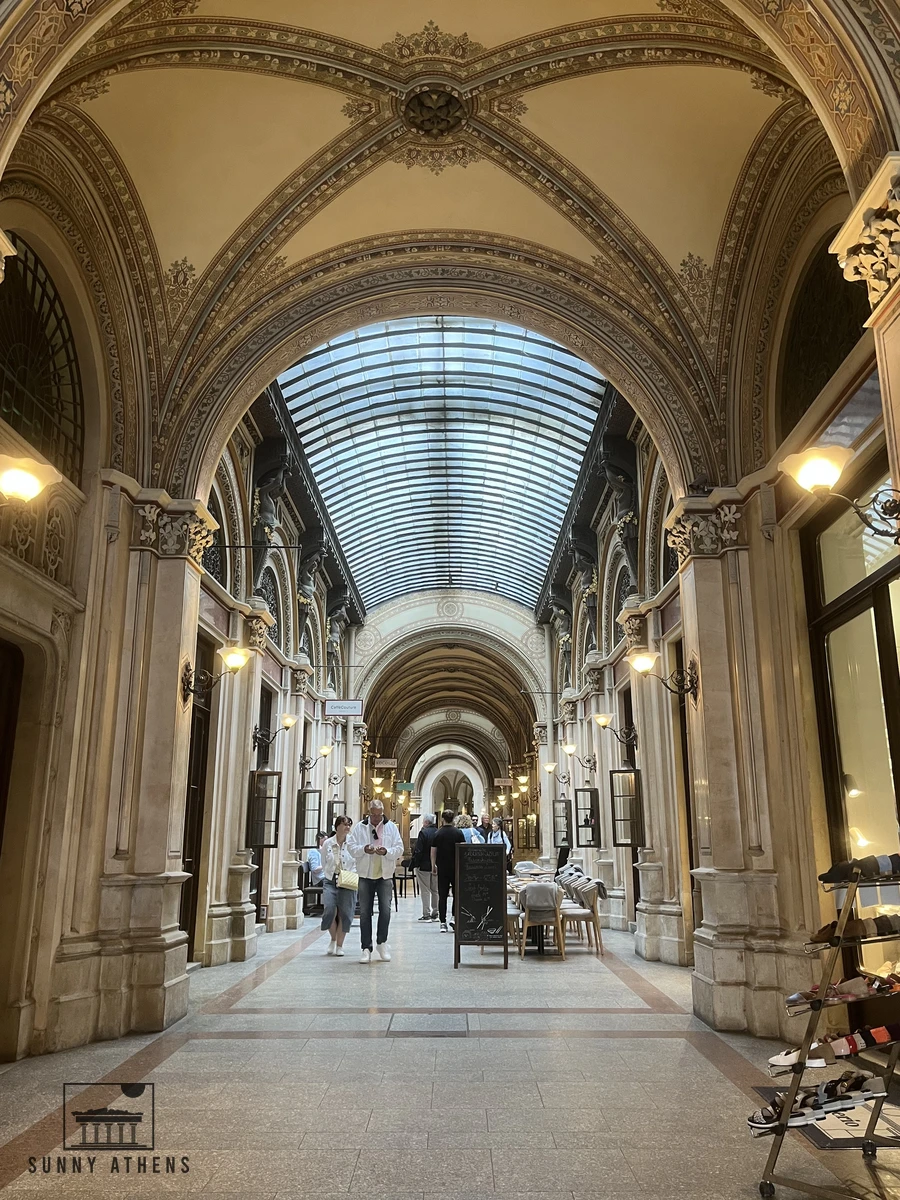
Why: On your walk from Café Landtmann toward the Graben, take a short stroll through the Ferstel Passage, an elegant 19th-century covered arcade. Built with marble arches and high glass ceilings, it features a classic fountain with the Danube Mermaid in its central courtyard. It is lined with quiet boutique shops and chocolate stores, making it a pleasant shortcut away from busy streets.
3. Graben
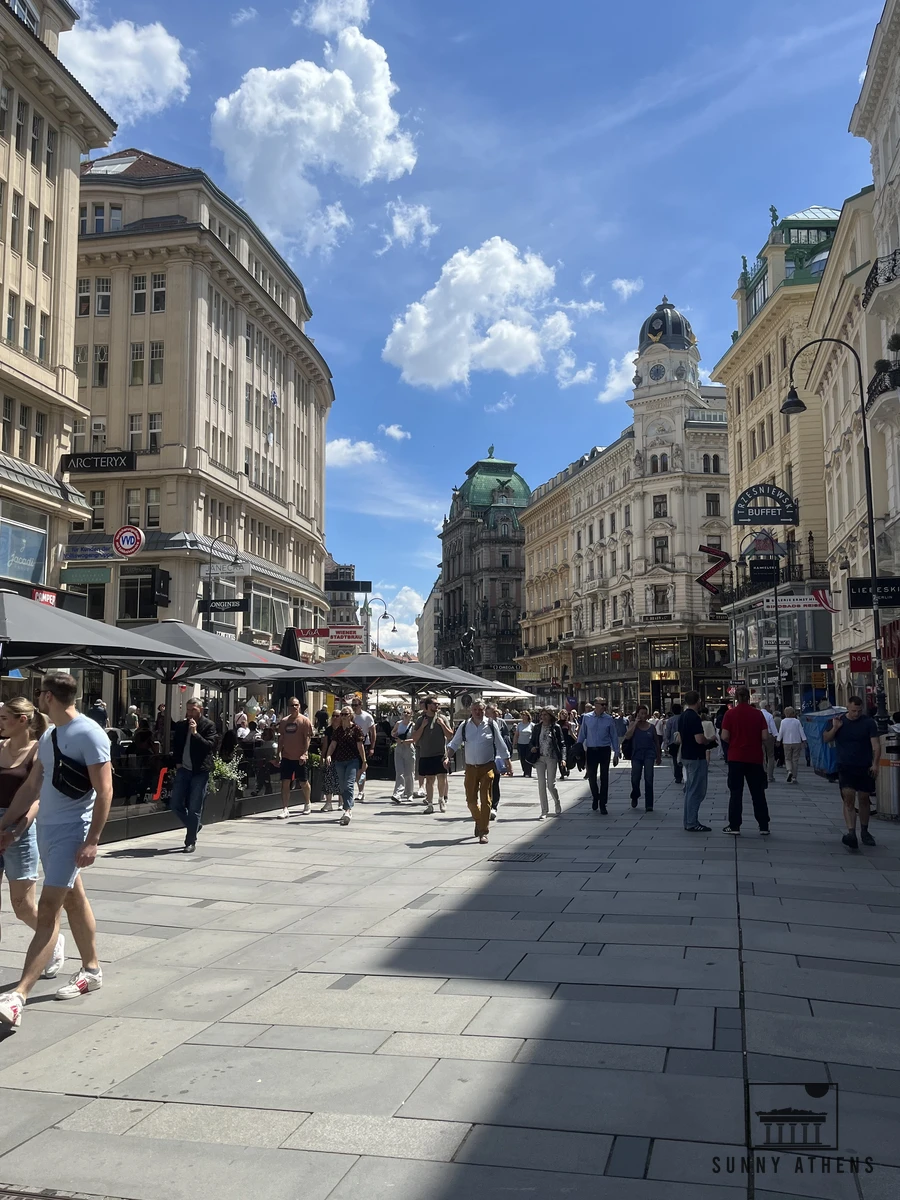
Why: Step out of the passage and continue onto the Graben, one of Vienna’s most famous pedestrian streets that follows the path of an ancient Roman defensive trench. Today, it is the lively center of the old town, lined with beautiful Baroque buildings, traditional shops, and historic cafés. It’s a pleasant and wide street to stroll along, with street musicians playing classical music against historic facades.
4. St. Peter’s Church
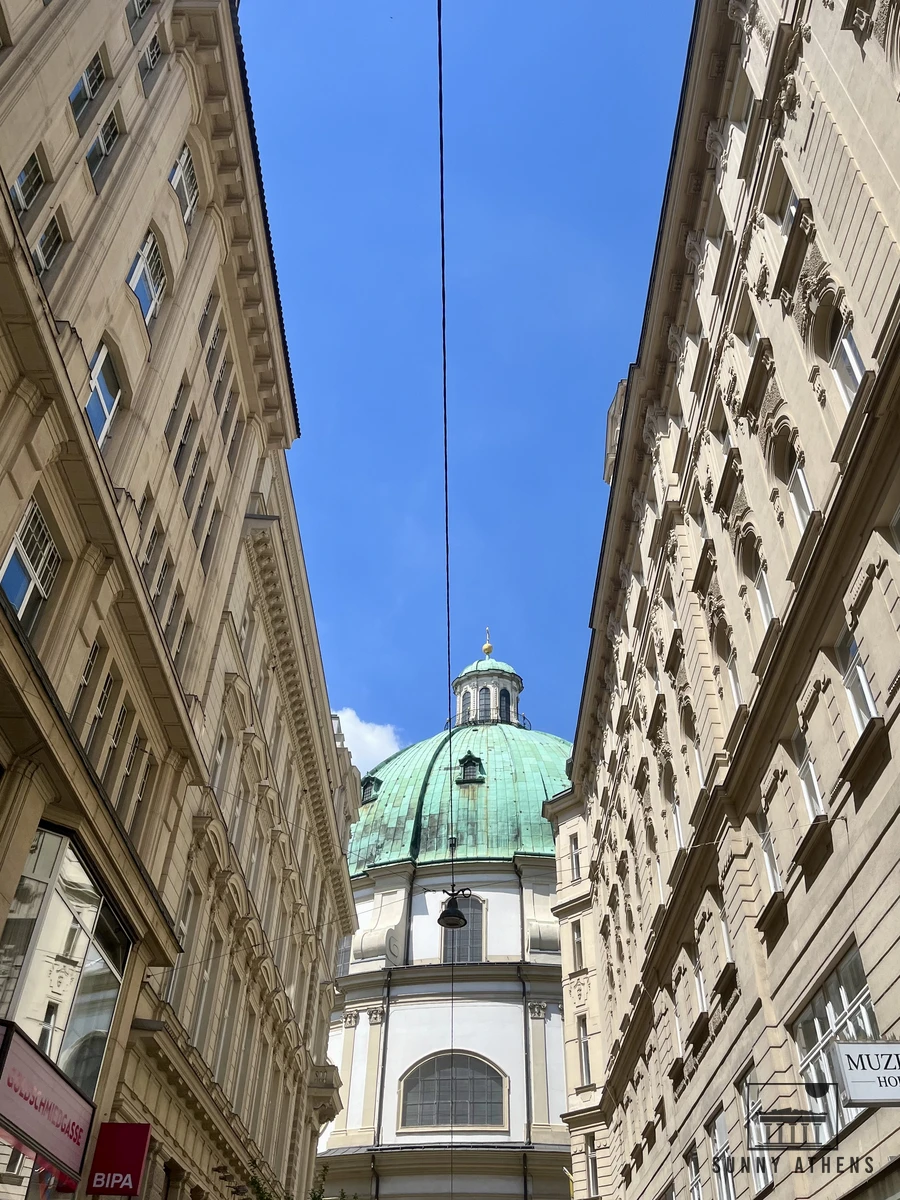
Why: Step into Petersplatz to see Peterskirche, known for its striking turquoise dome inspired by St. Peter’s in Rome. Built in the early 18th century, the church has one of the most richly decorated Baroque interiors in Vienna, filled with gold details, marble, and colorful frescoes. If you pass by around 3:00 PM, you can often listen to free daily organ concerts inside.
5. Column of Pest
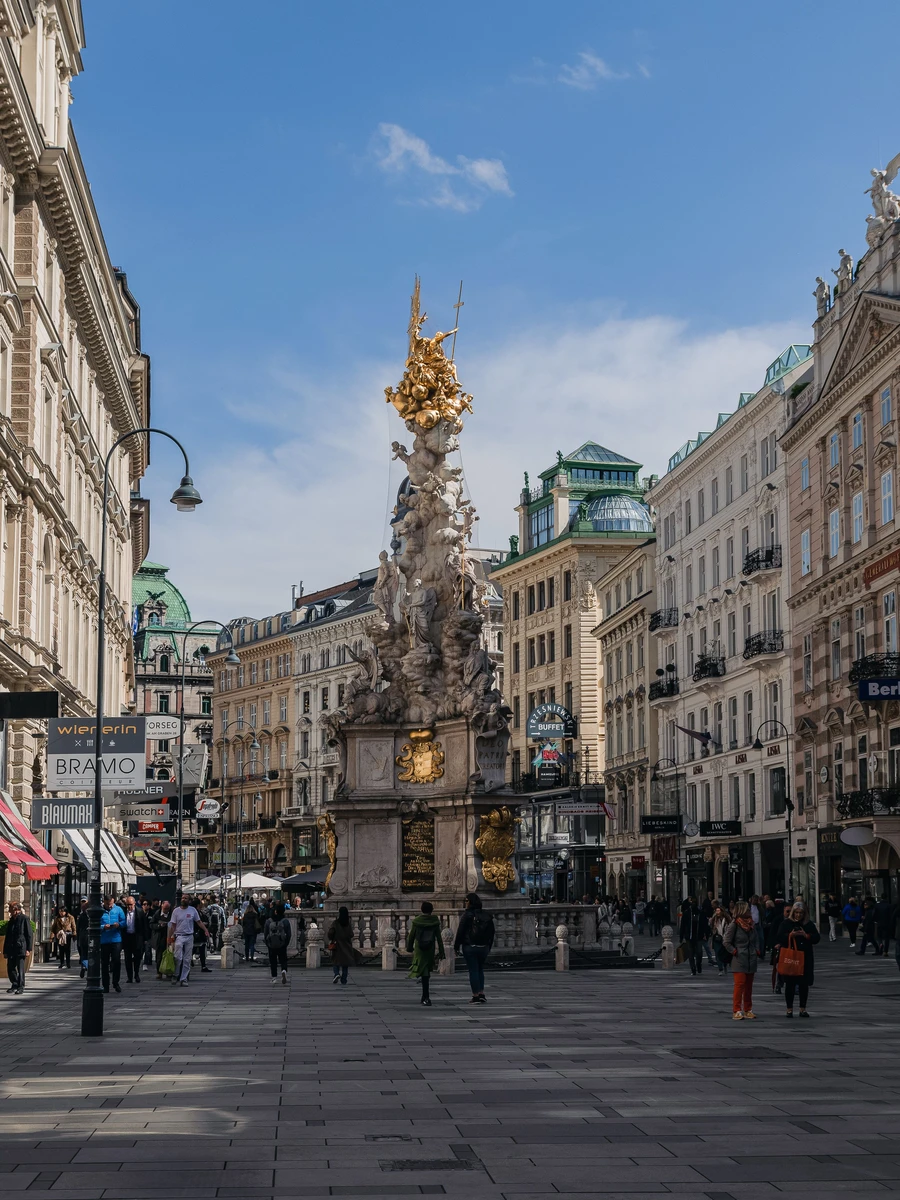
Why: Take a moment to examine the Column of Pest, a striking Baroque monument located right in the center of the Graben. The monument was built by Emperor Leopold I after the plague epidemic of 1679, using detailed marble and gold figures that represent faith overcoming the illness. Look closely at the base of the monument, where you will spot a statue of the Emperor himself kneeling in prayer.
6. St. Stephen’s Cathedral
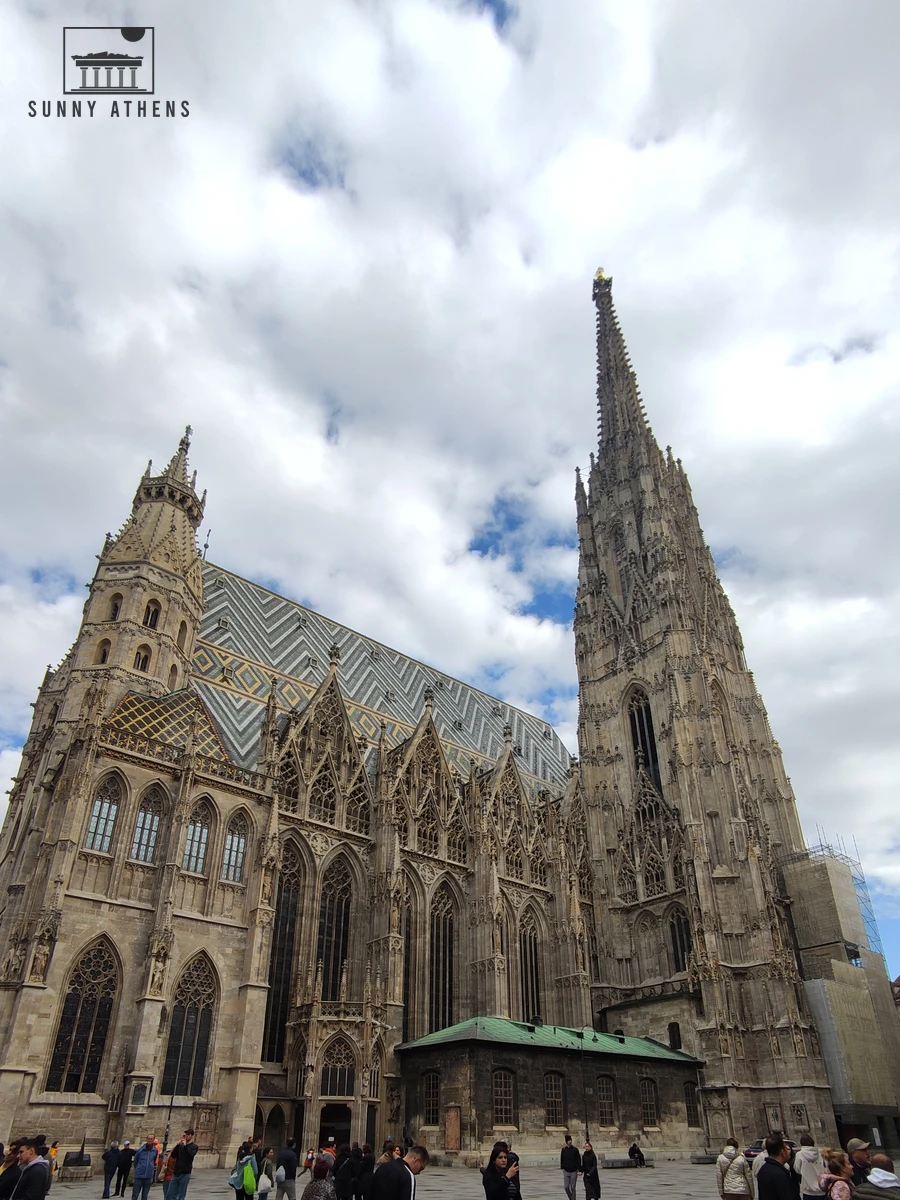
Why: St. Stephen’s Cathedral has stood in the center of Vienna since the 12th century and is famous for its colorful roof with 230.000 patterned tiles. You can walk into the front area of the church for free to take a look at the tall stone arches and dark wooden pews. If you want a great view over the city, take the elevator up the North Tower to see the giant Pummerin bell and look at the roof tiles up close.
7. Anker Clock
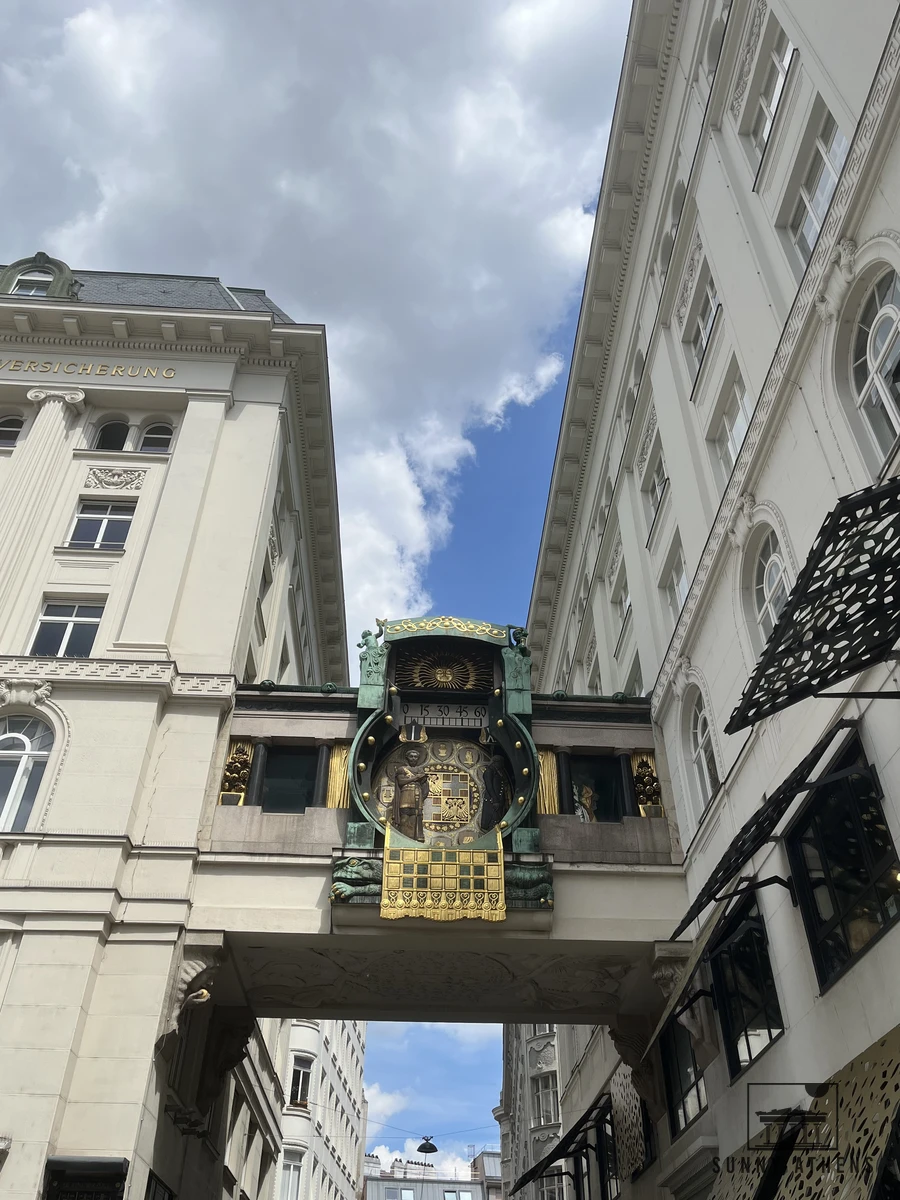
Why: The historic Anker Clock in Hoher Markt, the oldest square in Vienna, connects two buildings across the street. Designed in 1911 in Art Nouveau style, the clock features twelve copper figures from Austrian history that move across the bridge every hour. Try to be here at 12:00 noon sharp, when all twelve historical figures parade across the bridge accompanied by music.
8. Framburi Fries
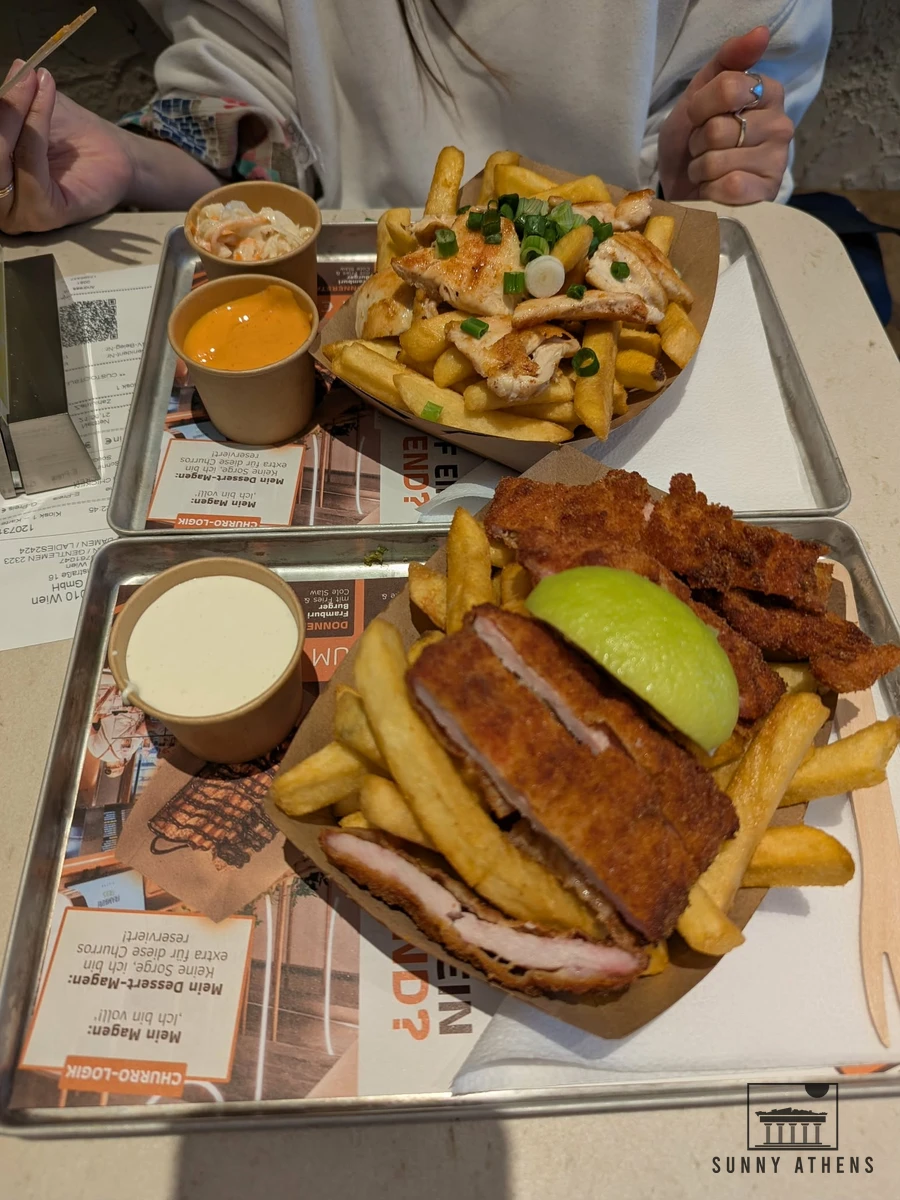
Why: By now, you might be ready for a quick bite after exploring the old town. Just around the corner, you can stop at Framburi Fries for crispy fries served with homemade sauces — an easy and budget-friendly snack to eat on the go. However, if you prefer a regular lunch, check out Restaurant Vienne/OnurChefs right next door.
Map Framburi Fries and Restaurant Vienne
9. Austrian Postal Savings Bank
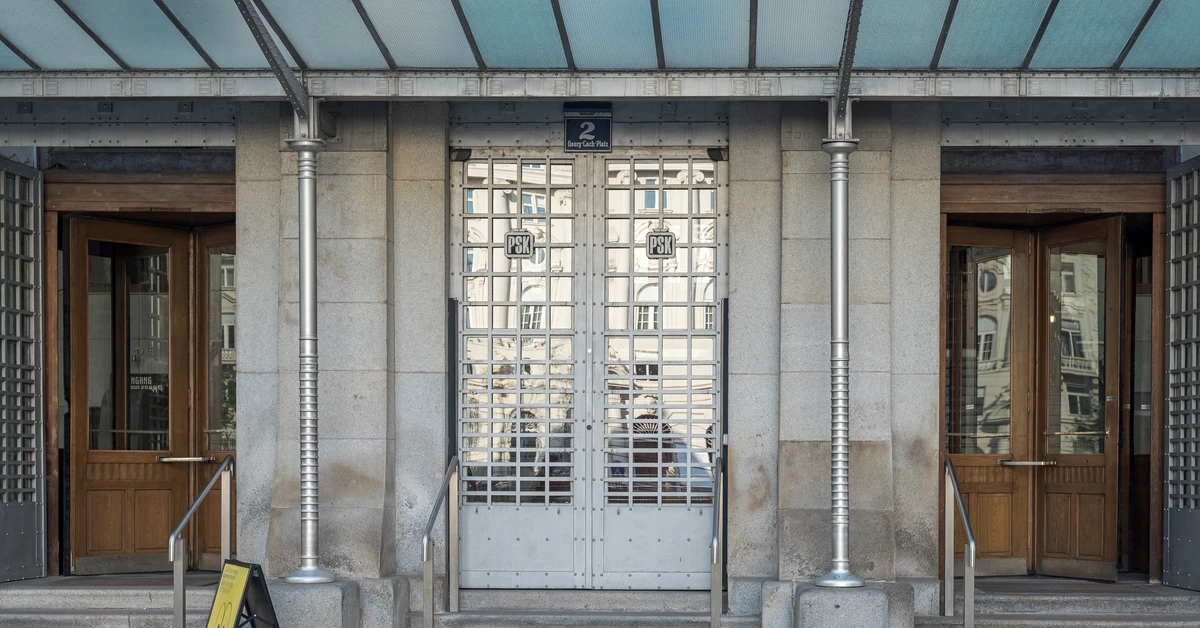
Why: Heading east toward Georg-Coch-Platz brings you to the Austrian Postal Savings Bank. Designed by Otto Wagner in the early 1900s, the outside uses marble slabs held in place with visible aluminum bolts. Step inside the main hall to see how Wagner used clean lines and modern materials instead of heavy imperial decoration.
10. Stadtpark
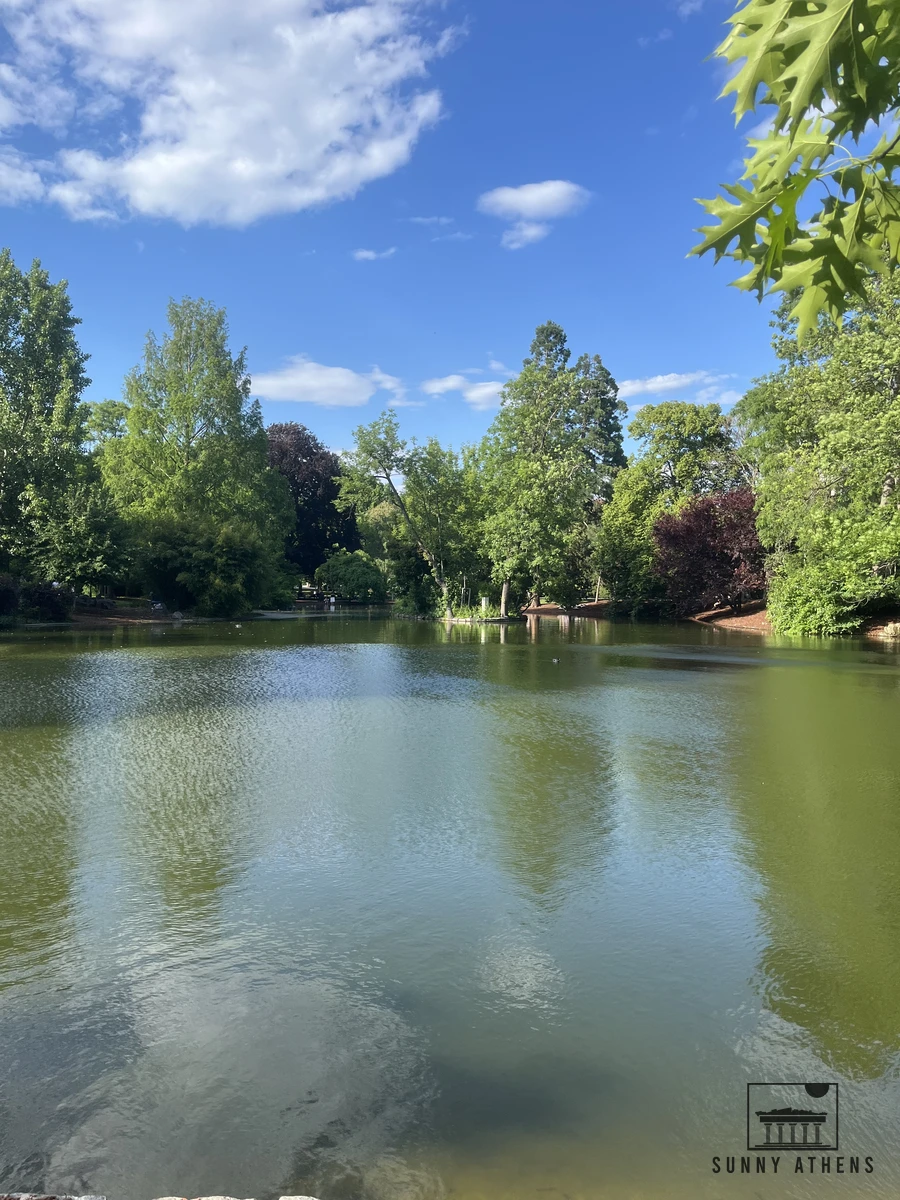
Why: After your morning walk, the Stadtpark is the ideal stop to sit down and enjoy some peace away from street traffic. Created in the 1860s along the Wien River, it was the first public park in Vienna. It features quiet shaded paths, flowerbeds, ponds with ducks, and several statues honoring famous Austrian musicians.
11. Johann Strauss Monument
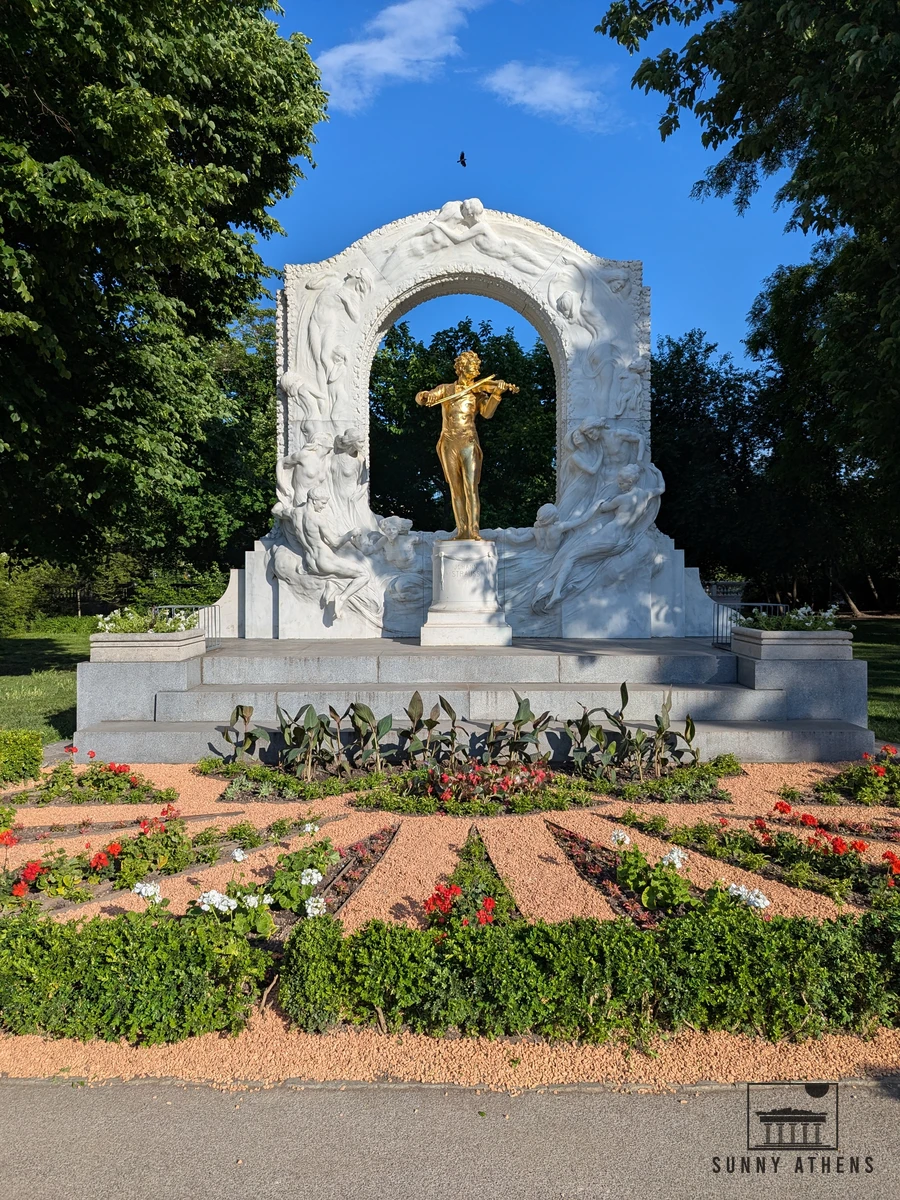
Why: While strolling through Stadtpark, look for the famous golden statue of Johann Strauss II, Vienna’s iconic ‘Waltz King’. Unveiled in 1921 and framed by an elegant white marble arch, it is one of the most photographed monuments in the city. If you want to take some great photos, come again in the afternoon when sunlight hits the golden statue directly.
12. House of Music
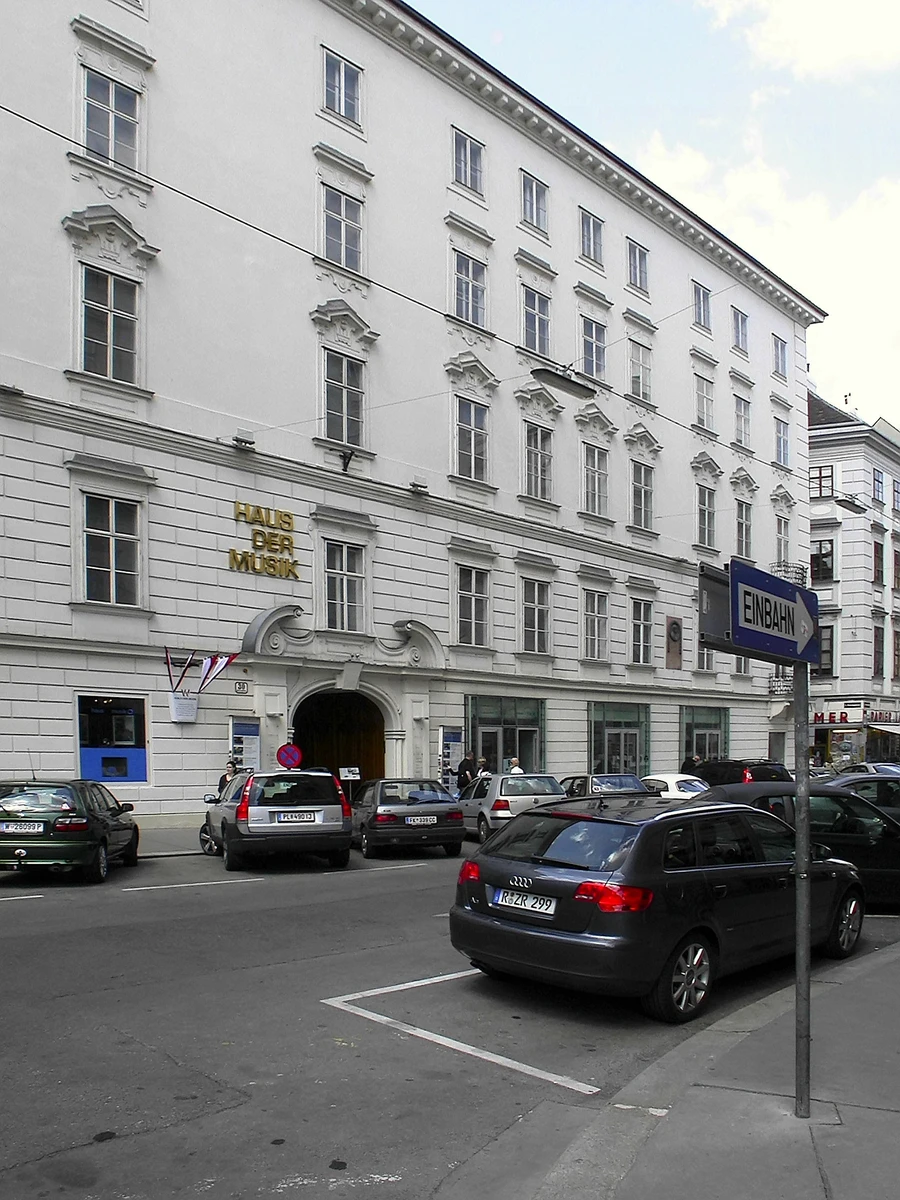
Why: Leaving the park and heading back into the historic center, pass by the House of Music (Haus der Musik), housed in the former palace of Archduke Charles. You can admire the classic courtyard and facade from the outside without buying a ticket. However, if you are a passionate music lover or traveling with kids, consider stepping inside to explore its interactive sound exhibits and try conducting the Vienna Philharmonic.
13. Imperial Crypt
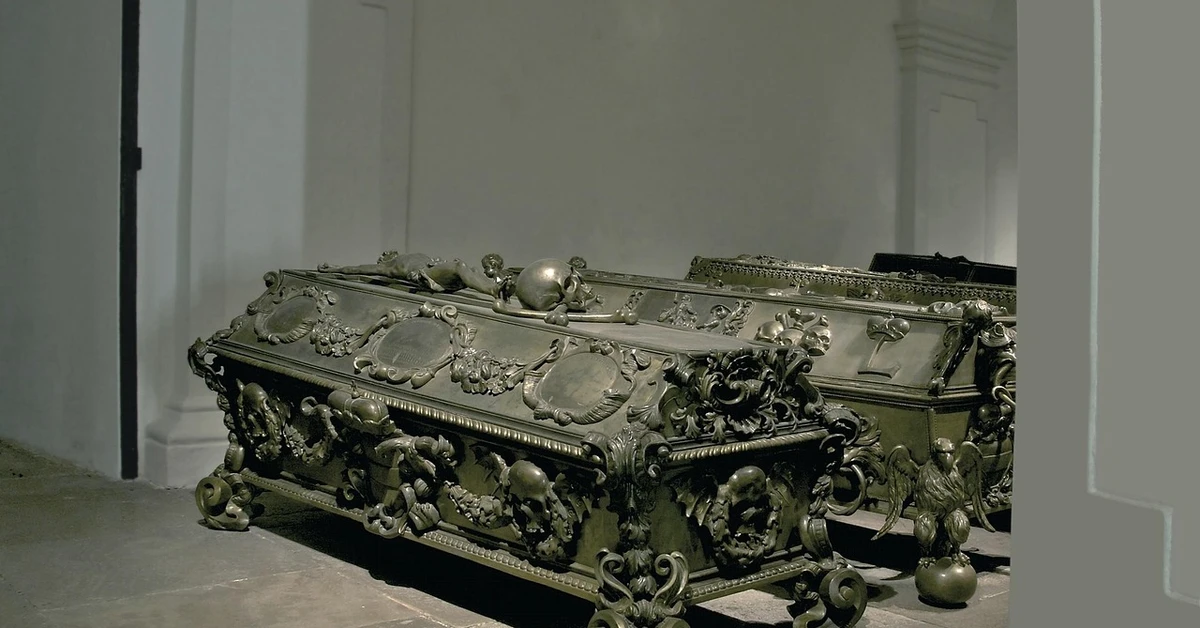
Why: A short walk back toward the center brings you to the Imperial Crypt beneath the Capuchin Church. Since 1633, this crypt has become the final resting place of 150 royals, including Emperor Franz Joseph and Empress Sisi. Walking through the quiet rooms you can see how royal tombs evolved over the centuries from ornate Baroque bronze sculptures to simpler modern designs.
14. Albertina
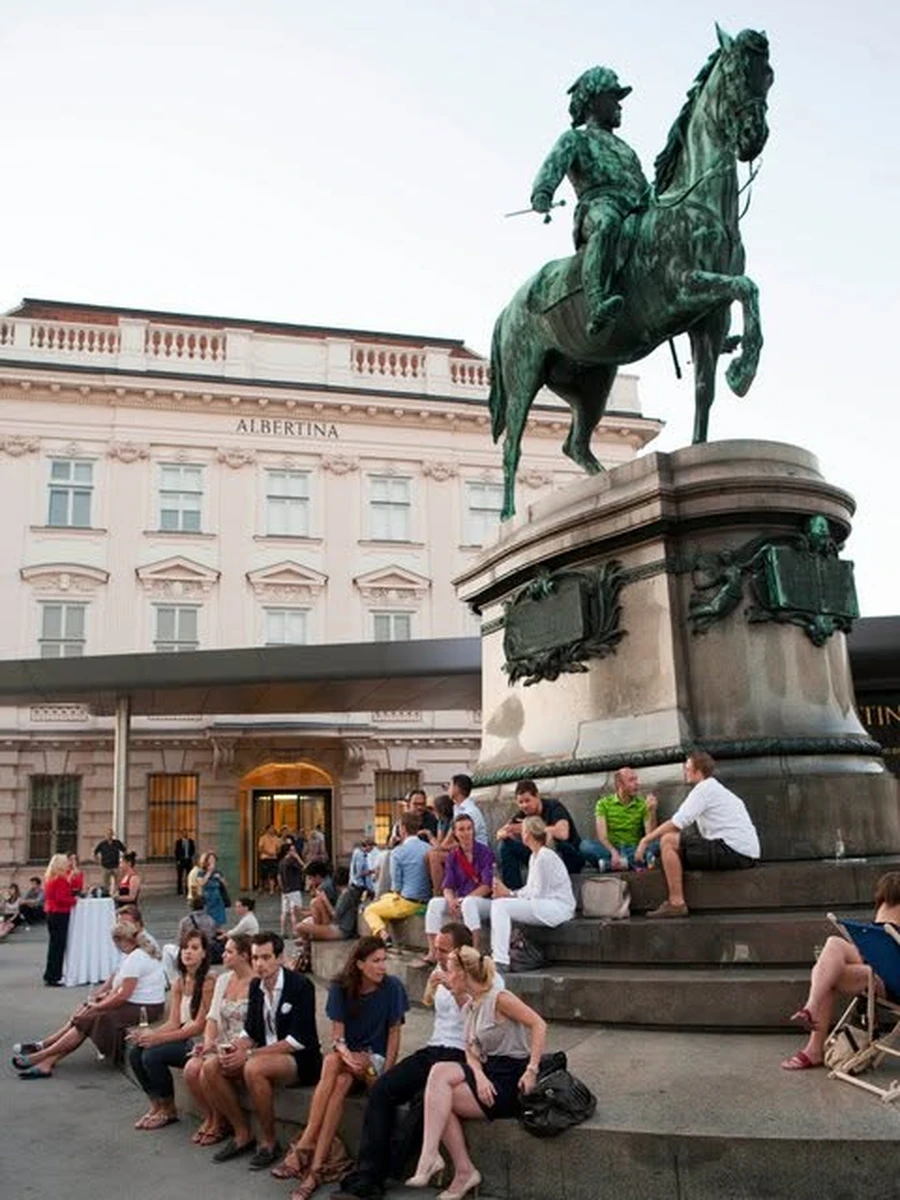
Why: Walk up to the Albertina, a major art museum housed in a neoclassical palace built on top of the old city walls. It holds one of the largest collections of drawings and prints in the world, along with masterpieces by Monet, Picasso, and modern artists. However, the best part is its terrace which offers a stunning view looking down at the Vienna State Opera.
15. Vienna State Opera
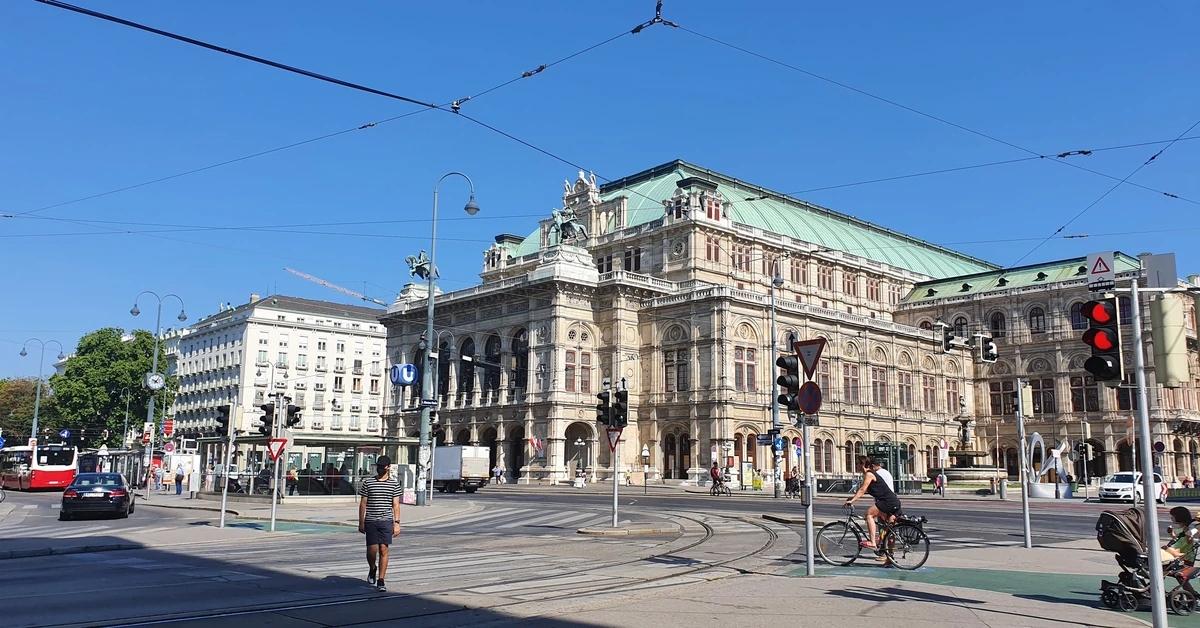
Why: Right across from the Albertina terrace, you can admire the Vienna State Opera, one of the most famous opera houses in the world. The grand building was designed in Renaissance style, with beautiful stone arches and statues representing music and drama. If you want to experience a world-class performance on a budget, you can buy affordable standing-room tickets on the day of the show.
16. Hofburg Imperial Palace
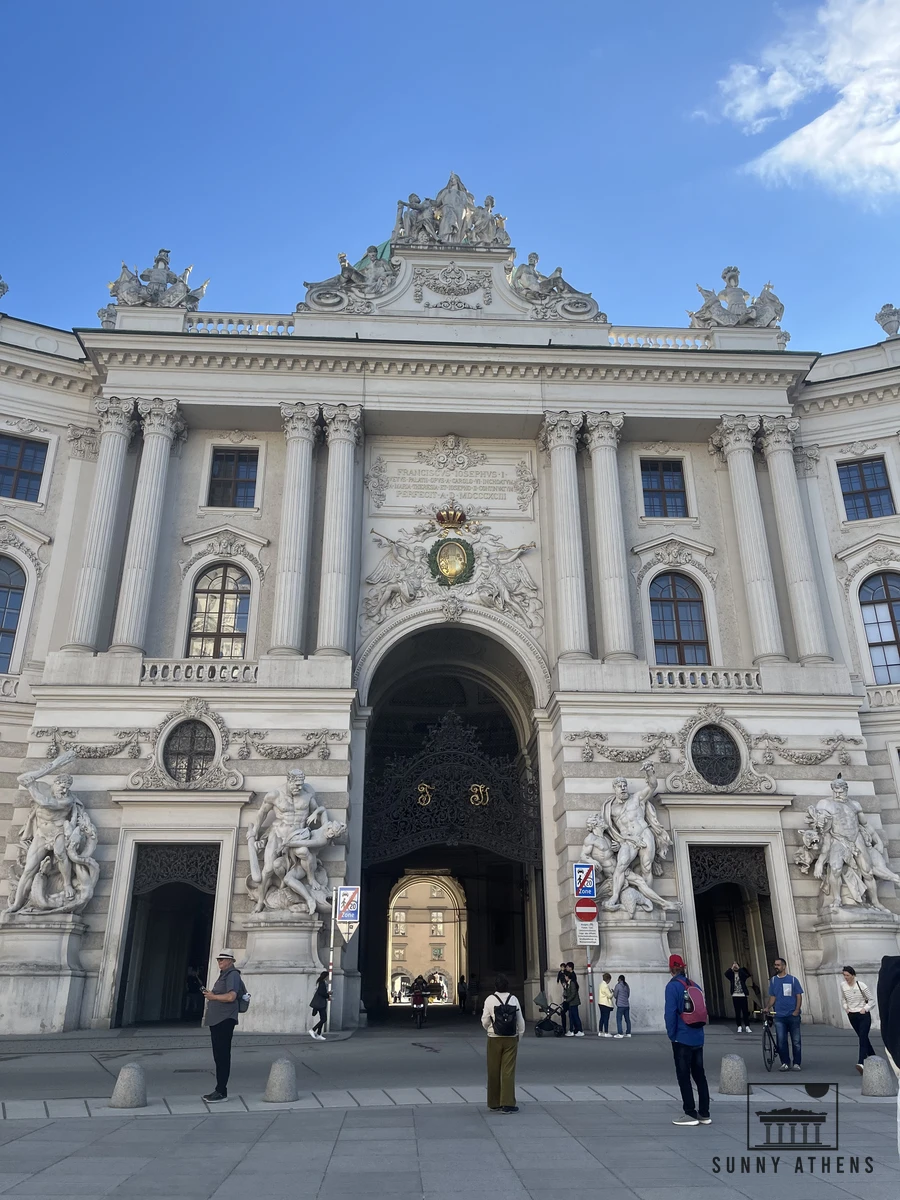
Why: The Hofburg served as the winter home of the Habsburg emperors for over 600 years, growing into a huge palace with 18 wings and more than 2.600 rooms. Walking through its open courtyards brings you straight out onto Heldenplatz, a large historic square lined with green lawns and statues of Austrian commanders. It is a great spot to admire the curved palace building from the outside and enjoy an open view toward the museum area.
17. Austrian National Library
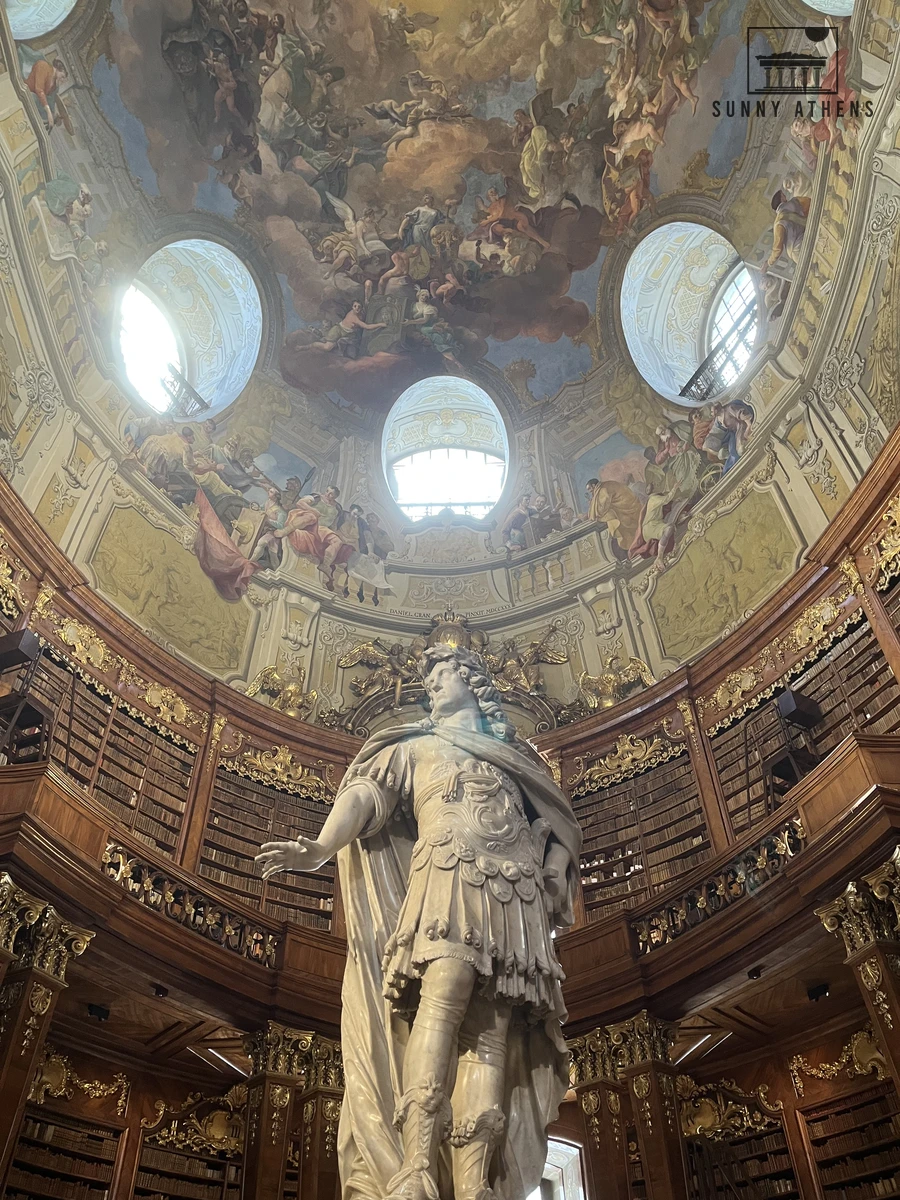
Why: From Heldenplatz, walk over to Josefsplatz to step inside the State Hall (Prunksaal) of the Austrian National Library. Easily one of the most beautiful libraries in Europe, it features wooden bookshelves holding 200.000 antique books beneath painted dome ceilings and marble statues. The visit is relatively quick, making it well worth the ticket for some great photos.
18. Sisi Museum
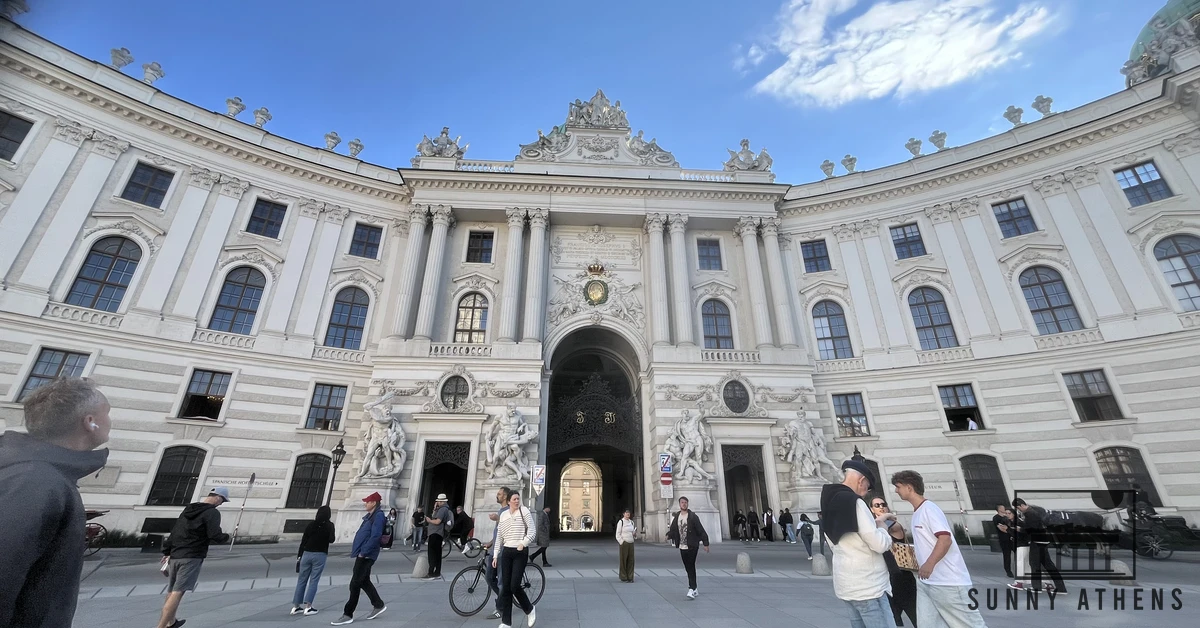
Why: Walk under the grand green dome of the Michaelerkuppel wing of the Hofburg, where the entrance to the Sisi Museum is located. You can easily admire the imperial facade and statues around Michaelerplatz from the outside without waiting in line. If you are particularly fascinated by Empress Elisabeth’s life, you can buy a ticket inside to see her personal dresses, jewelry, and private royal apartments.
19. Schnitzel One
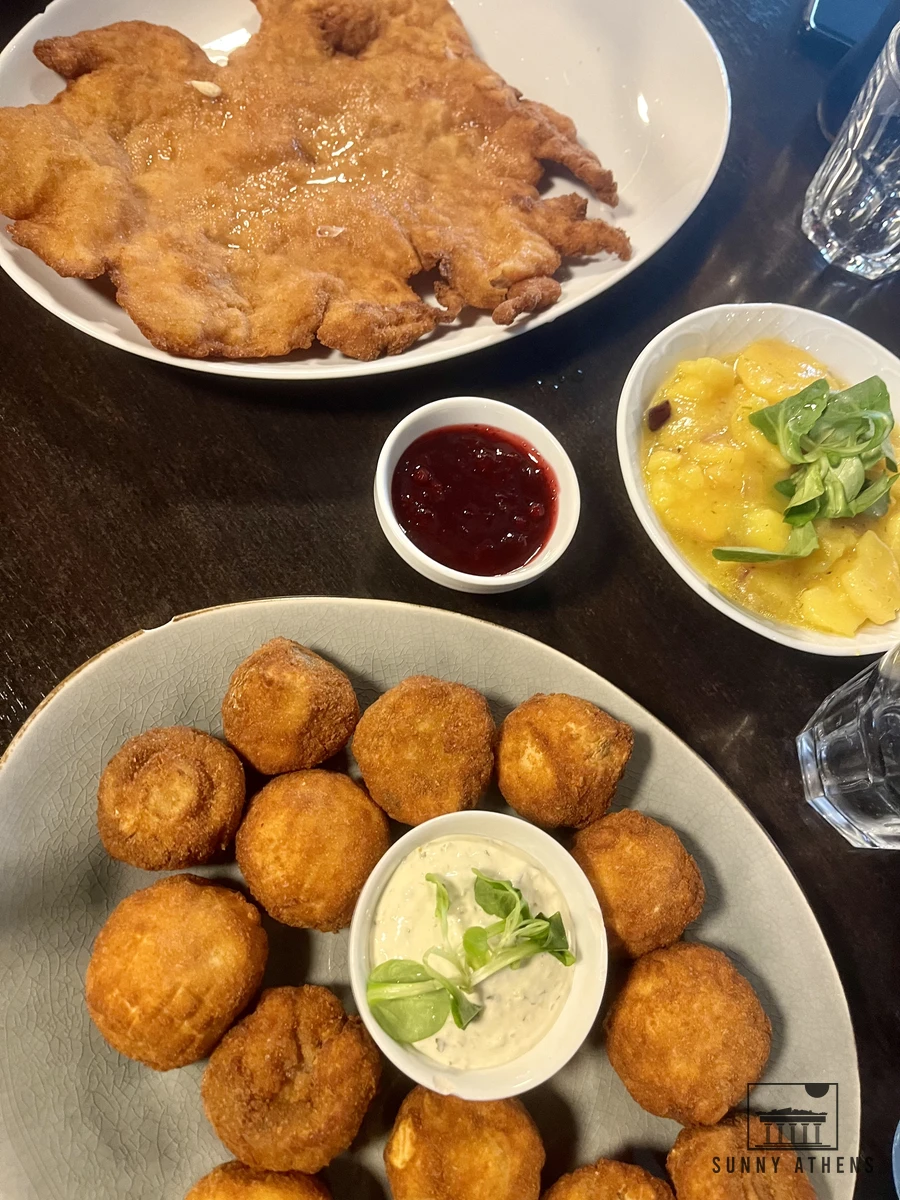
Why: The best way to wrap up the first day of your 3 days in Vienna is with dinner at Schnitzel One, a casual spot dedicated to Austria’s national dish. I recommend ordering the classic Wiener Schnitzel served with traditional Austrian potato salad. It is an unpretentious and affordable place to enjoy a generous, crispy meal before heading back to your hotel.
Day 2: Schönbrunn Palace, Art & Hidden Corners
The recommended route for your second day
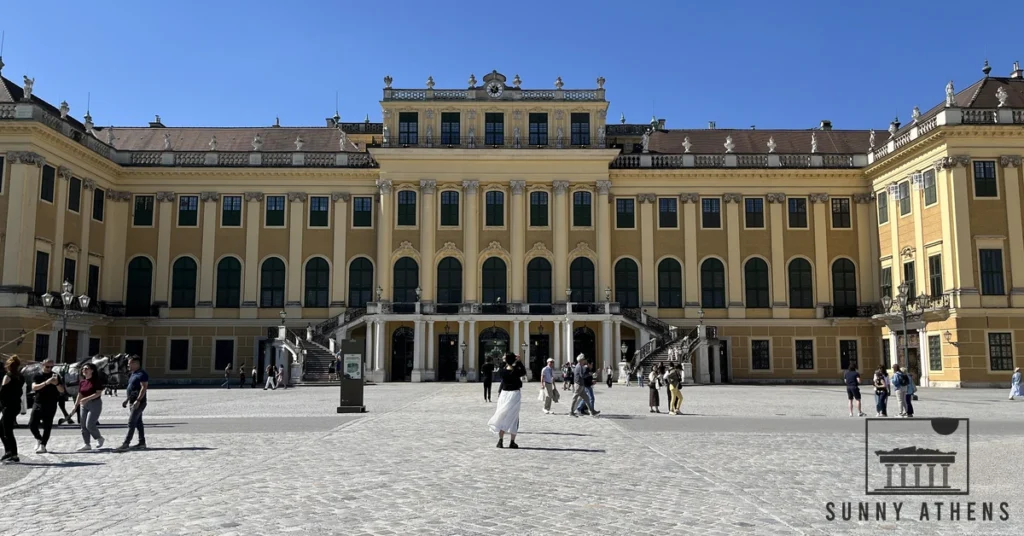
20. Schönbrunn Palace & Gardens
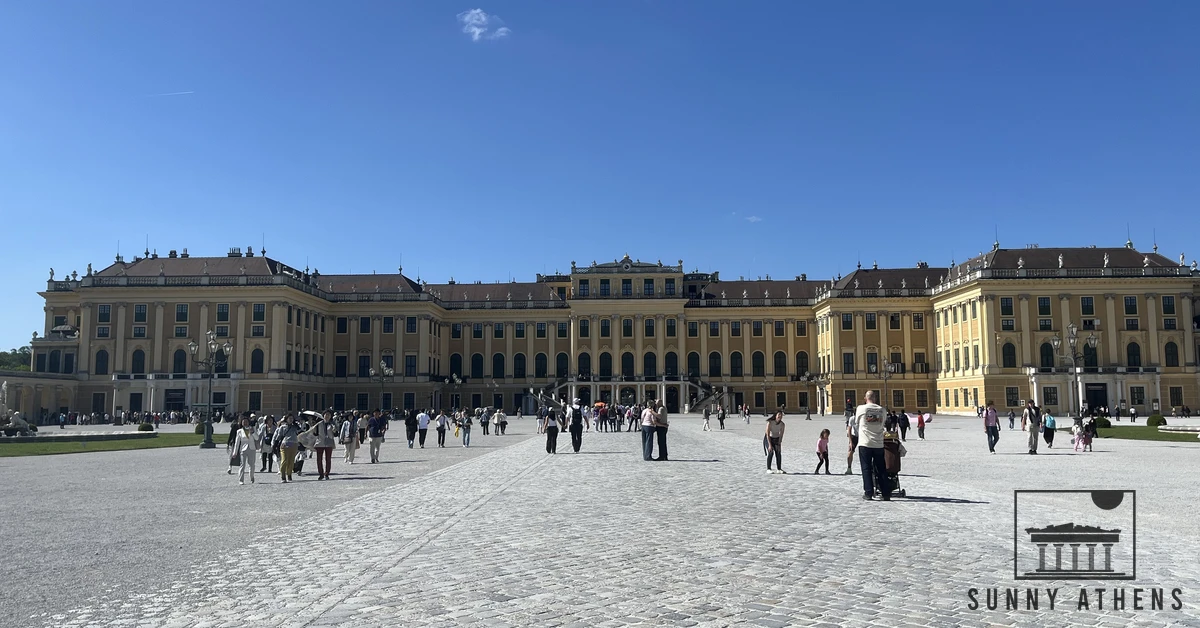
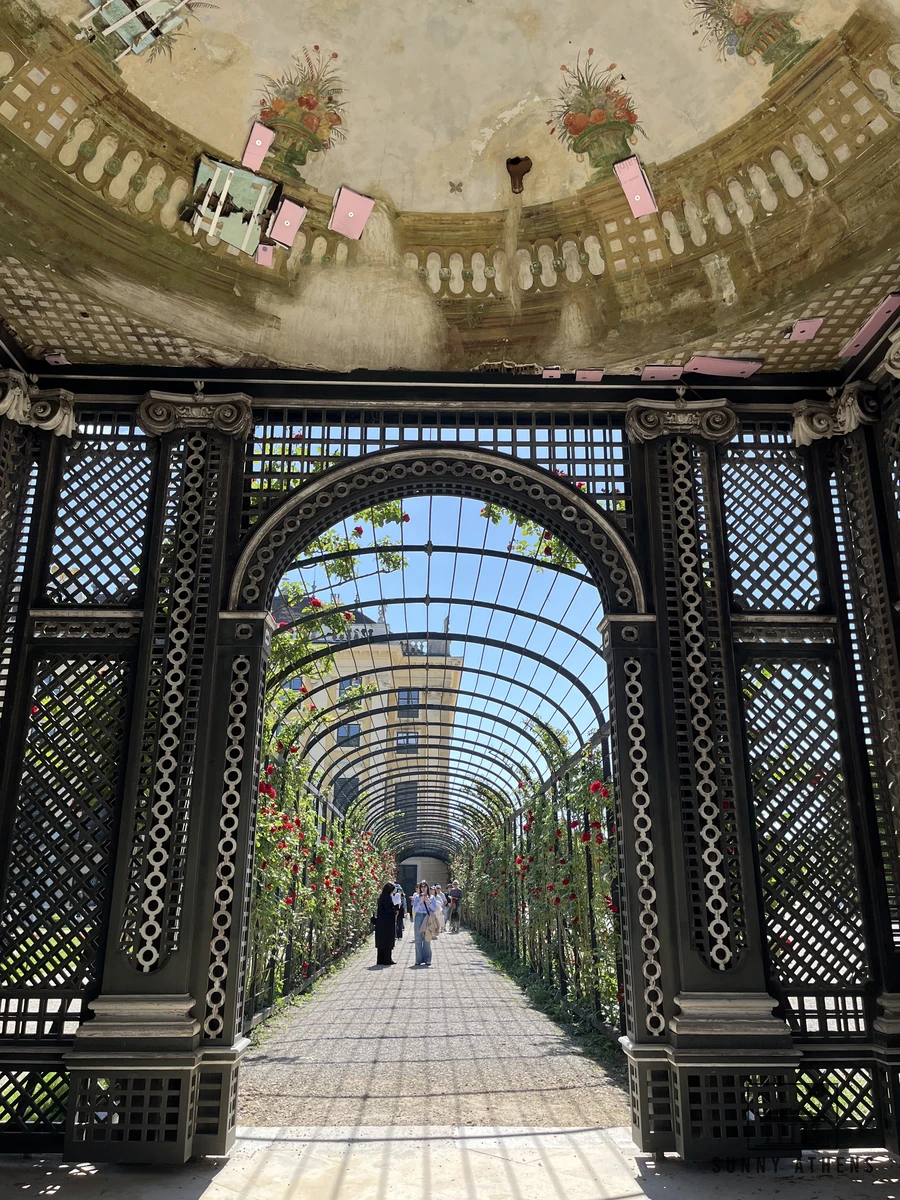
Why: Start the second day of your 3 days in Vienna early at Schönbrunn Palace, the famous 1.441-room summer residence of the Habsburgs. The vast park around the palace features wide tree-lined avenues, sculpted gardens, and the hilltop Gloriette arch offering panoramic views over the estate and Vienna. I recommend booking a skip-the-line palace and gardens tour in advance to avoid the morning wait, leaving you plenty of time to explore the grounds for free.
Map Schönbrunn Palace and Gloriette
21. Maria-Theresien-Platz
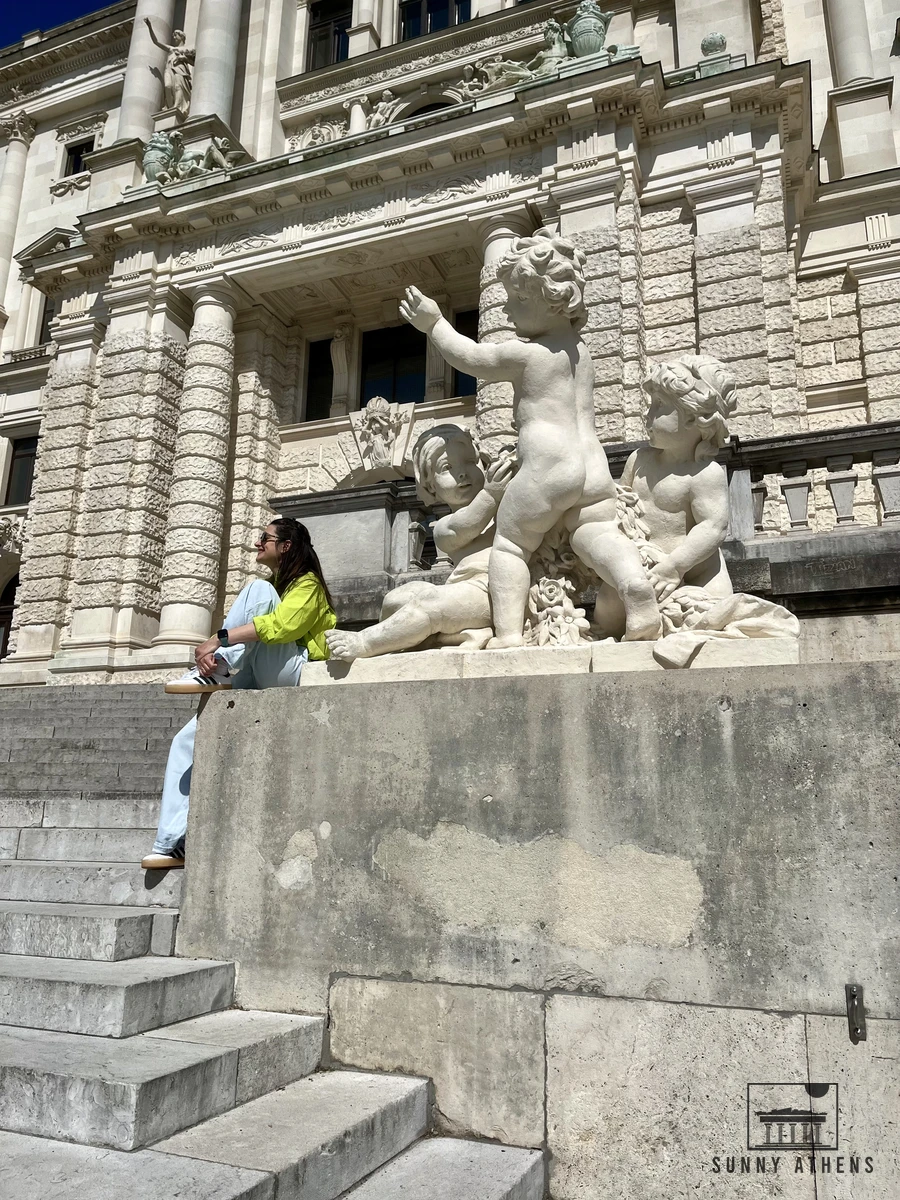
Why: After visiting Schönbrunn, take the U4 subway back to the center to see Maria-Theresien-Platz, a beautiful square framed by two almost identical palatial museums. In the middle of the gardens stands a large bronze statue of Empress Maria Theresa, who ruled Austria for 40 years. The square is a pleasant place to walk around and take photos of the twin buildings.
22. MuseumsQuartier
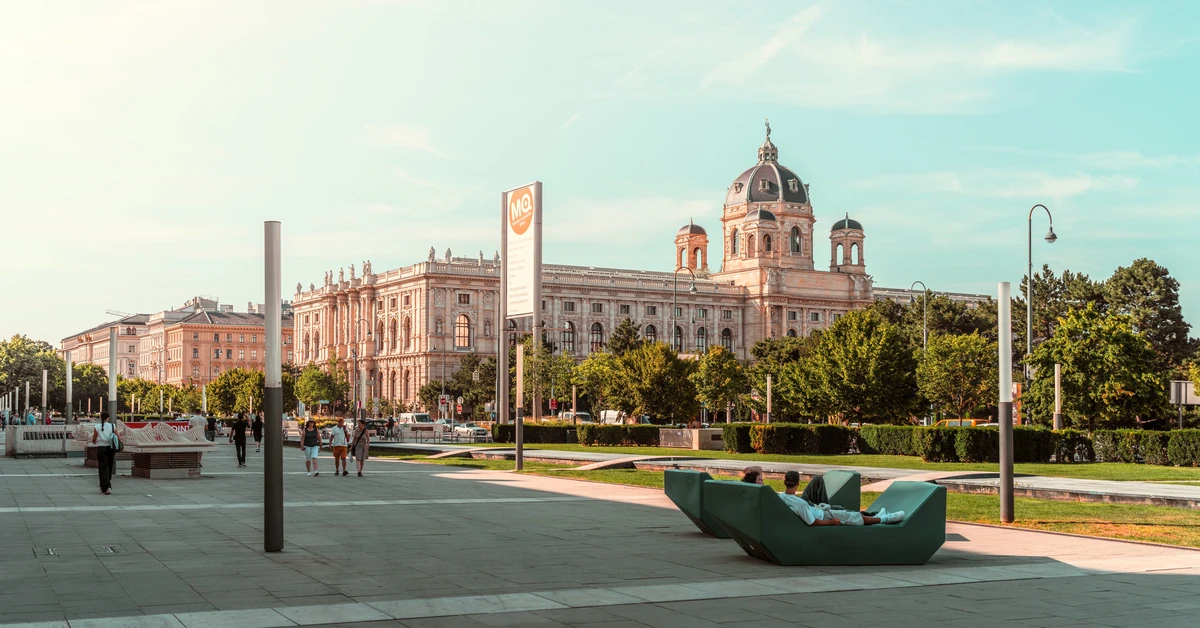
Why: Just behind Maria-Theresien-Platz, the MuseumsQuartier sits inside the former imperial stables, now turned into a lively area for art, cafes, and culture. The large open courtyard is famous for its colorful outdoor lounge seats (called Enzis), where locals and visitors sit down to chat and relax in the sun. Inside the courtyard, you will also spot the Leopold Museum, a clean white limestone building home to famous Austrian paintings that you can visit if you love modern art.
23. Öfferl
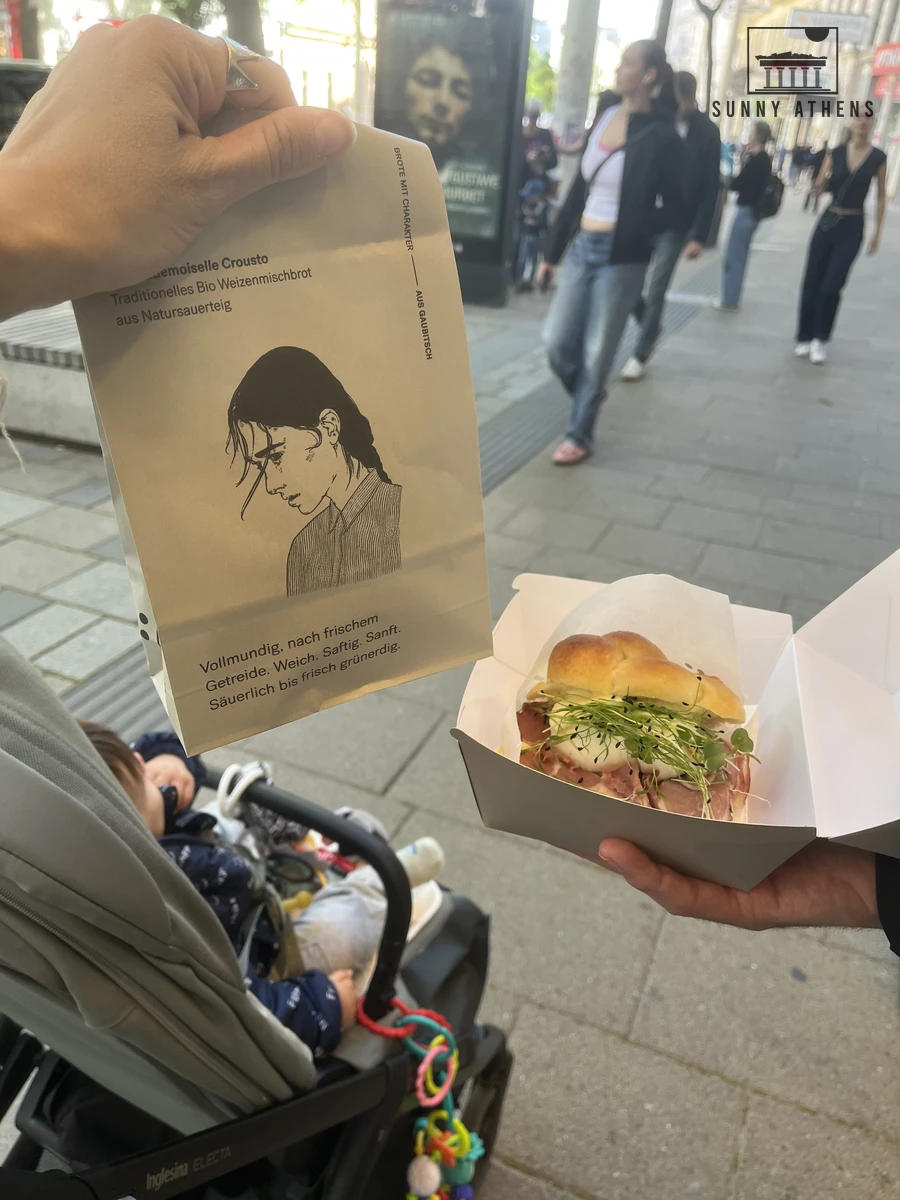
Why: By now, you might be ready for a quick bite after visiting the museums, and Öfferl on nearby Mariahilfer Straße is a great choice. This bakery is famous in Vienna for its fresh sourdough bread and tasty takeaway sandwiches made with organic ingredients. You can pick up a sandwich at a reasonable price to eat on the go, giving you an easy, quality lunch that will keep you going until dinner.
24. Volksgarten
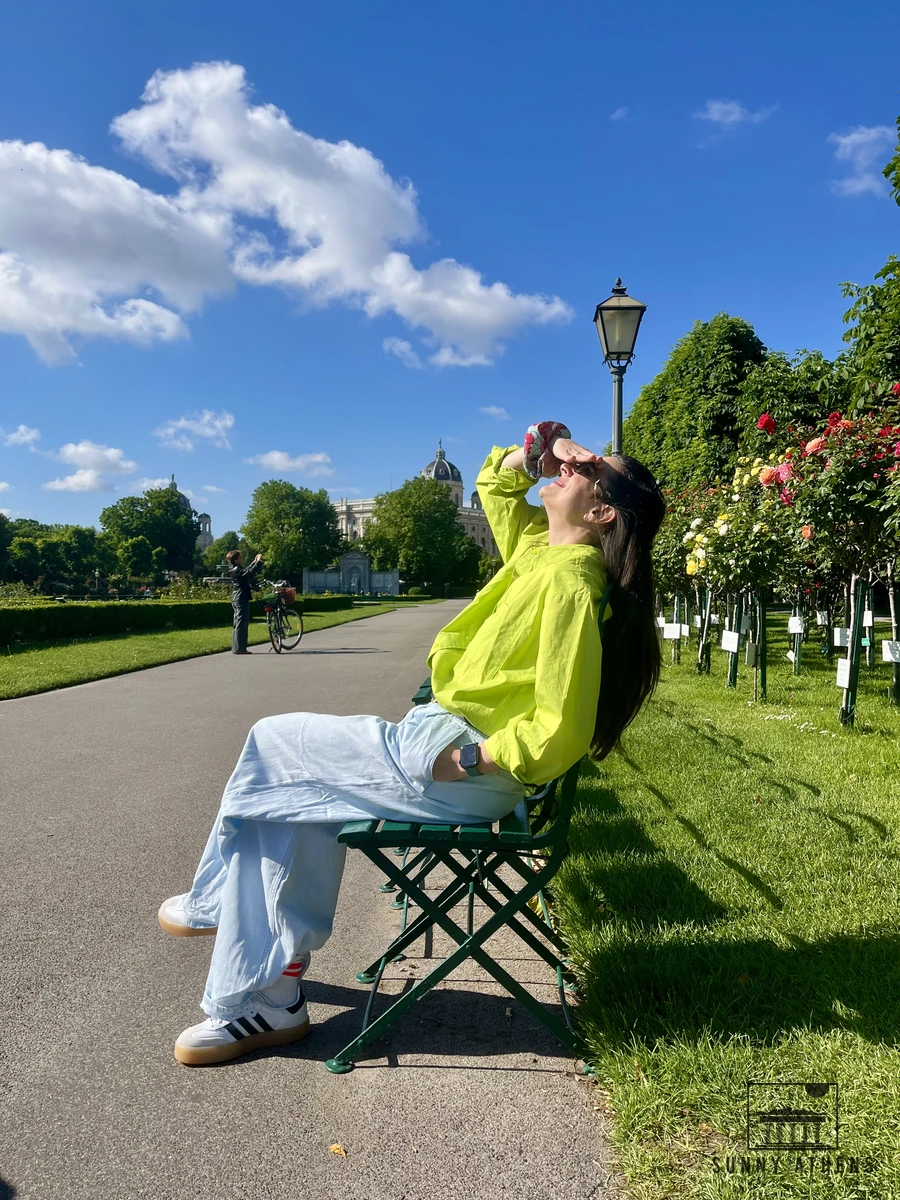
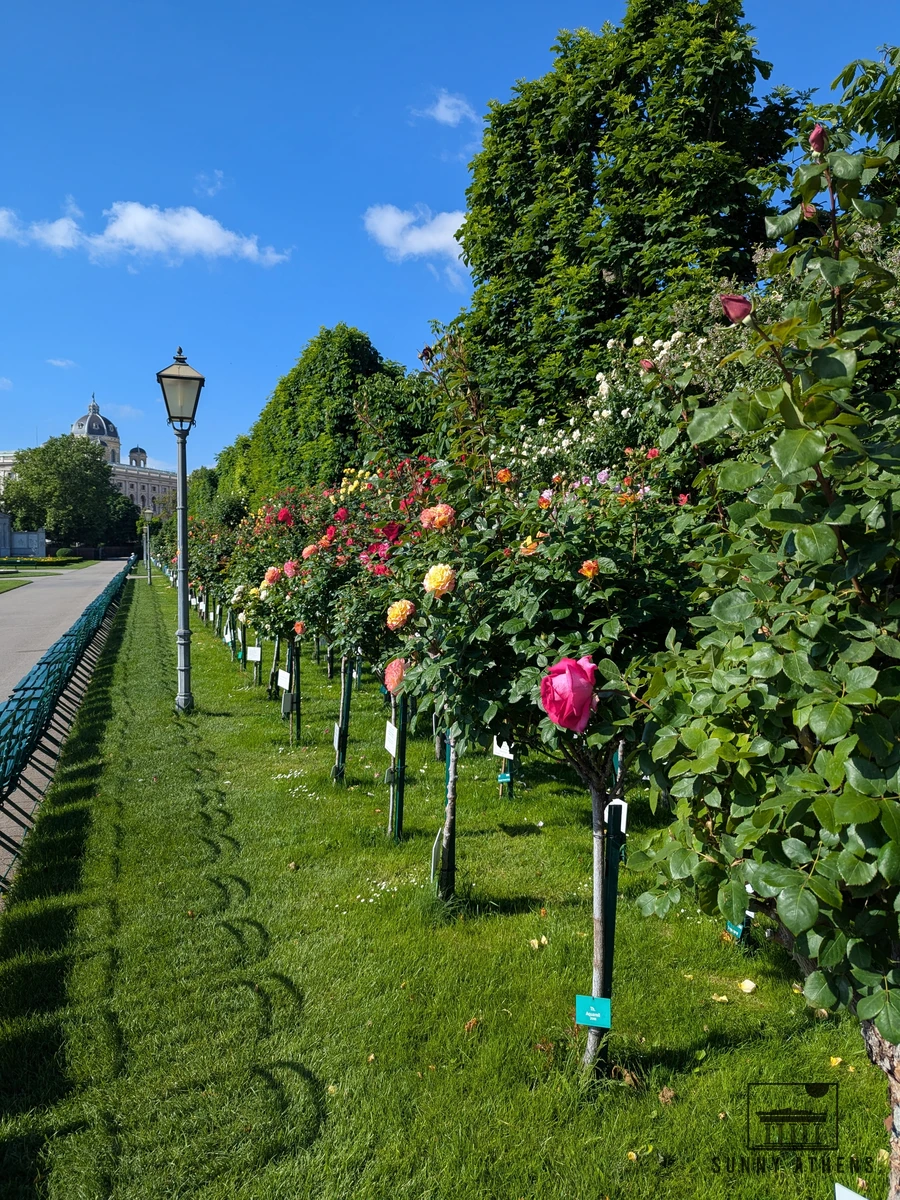
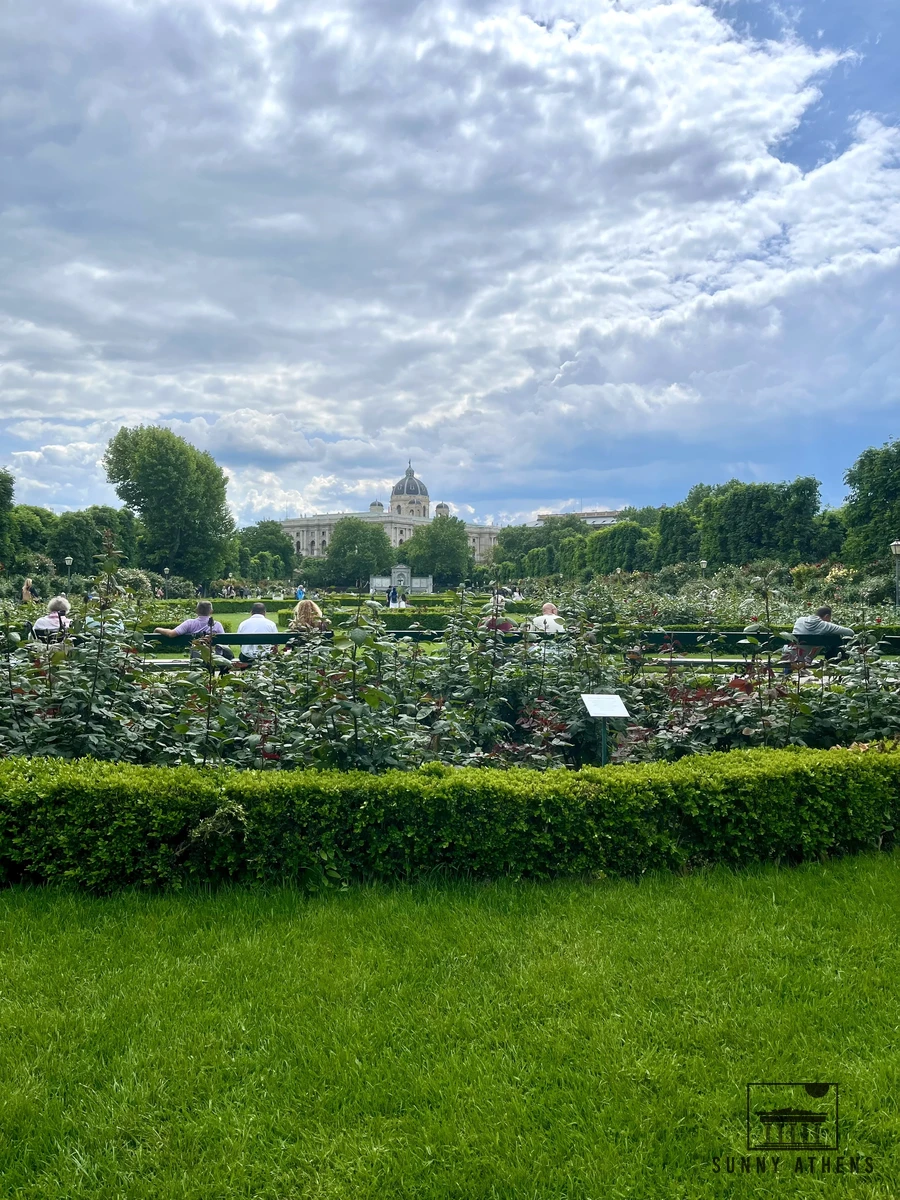
Why: From the MuseumsQuartier, cross back over the Ringstrasse to take a stroll through the Volksgarten, opened in 1823 as the first public park in Austria. It is known for its thousands of rose bushes and the neoclassical Theseus Temple, a replica of the Temple of Hephaestus in Athens. Walk to the quiet shaded corner near the Empress Elisabeth memorial for a peaceful breather.
25. Vienna City Hall
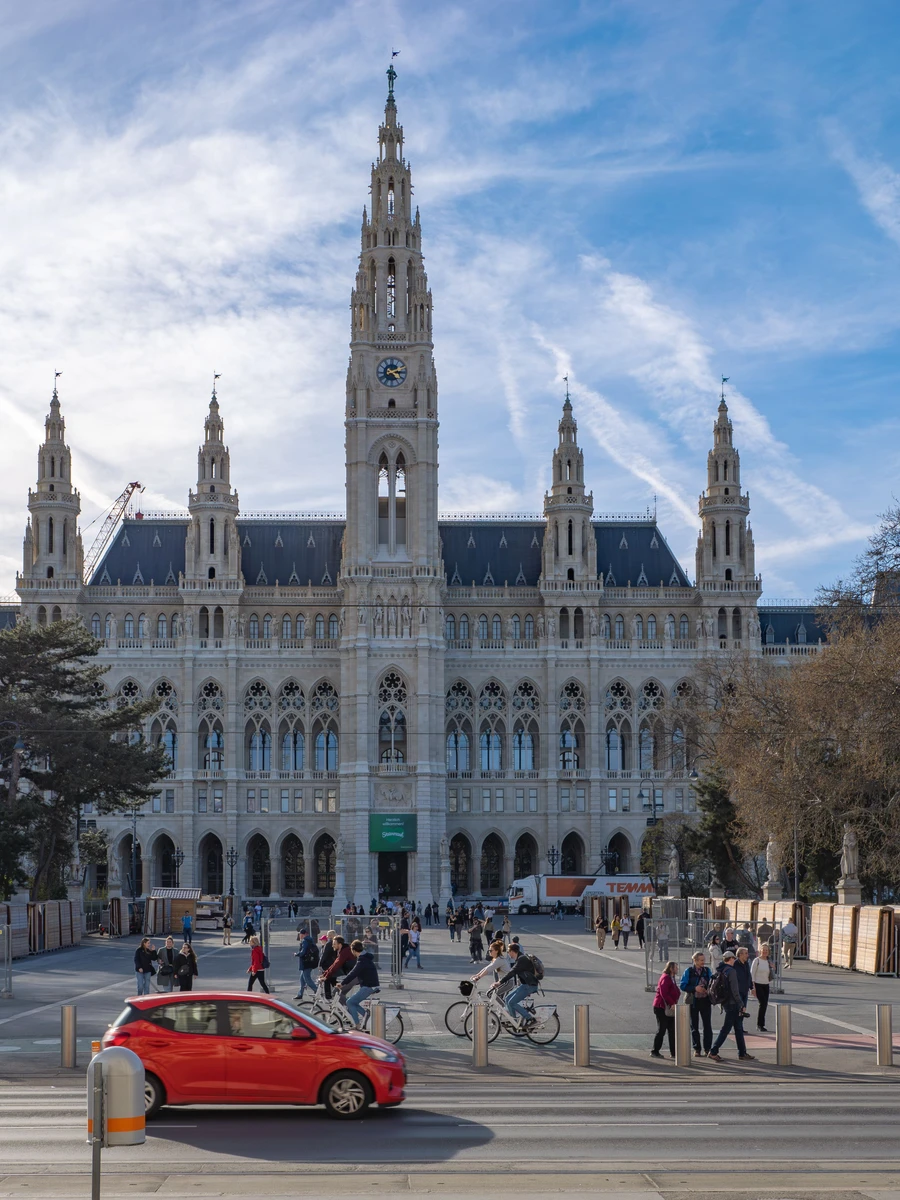
Why: Vienna City Hall (Rathaus) is a massive Neo-Gothic civic building completed in 1883, serving as the seat of the mayor and city council. Its main central tower reaches nearly 100 meters high, crowned by an iron knight statue known as the Rathausmann. The public square in front hosts lively gatherings throughout the year, from open-air cinema in summer to famous markets in winter.
26. Votive Church
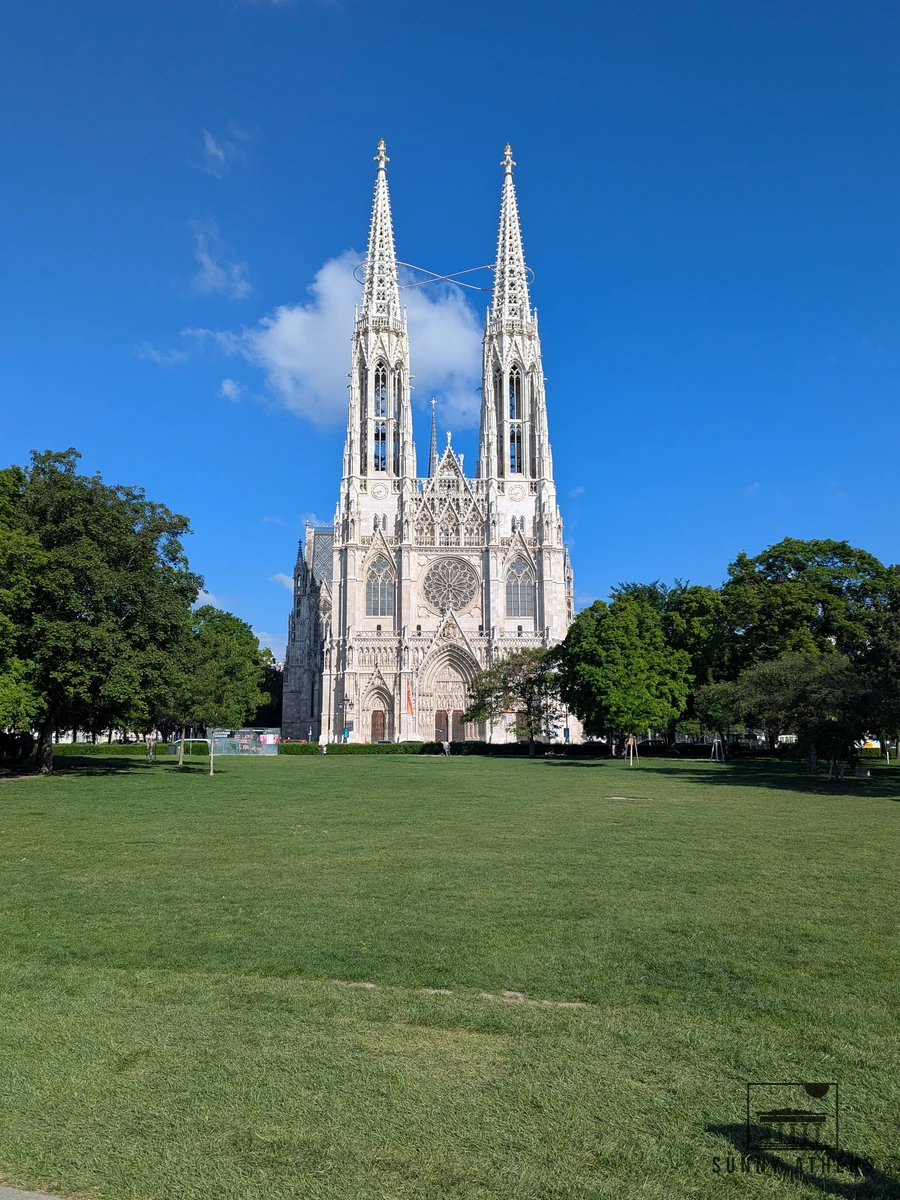
Why: A 5-minute walk brings you in front of the Votive Church, a tall Neo-Gothic church built after Emperor Franz Joseph survived an attack in 1853. Its two slender spires reach 99 meters high and can be seen from far away around the Ringstrasse. Step inside to see the vaulted stone ceilings and colorful stained-glass windows, or catch the Light of Creation immersive light show that illuminates the interior.
27. Crème de la Crème
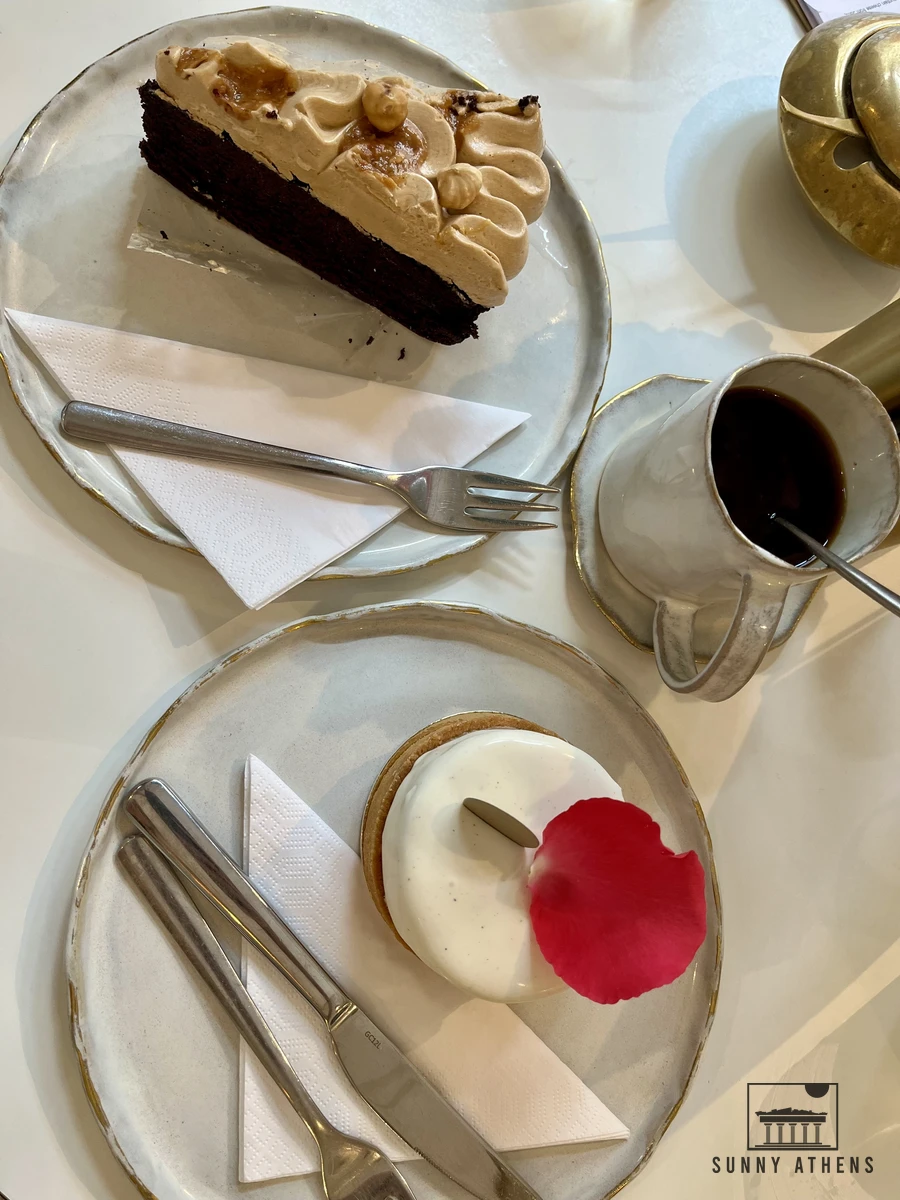
Why: Time for an afternoon sweet treat! Head into the nearby Josefstadt district for Crème de la Crème, a French-Austrian pastry shop that served by far the best sweets Chrysavgi and I had on our entire trip. The short walk slightly outside the center is completely worth the detour for their handmade desserts. Try their Lemon Tart with toasted meringue or fresh éclairs alongside an espresso.
28. Augarten
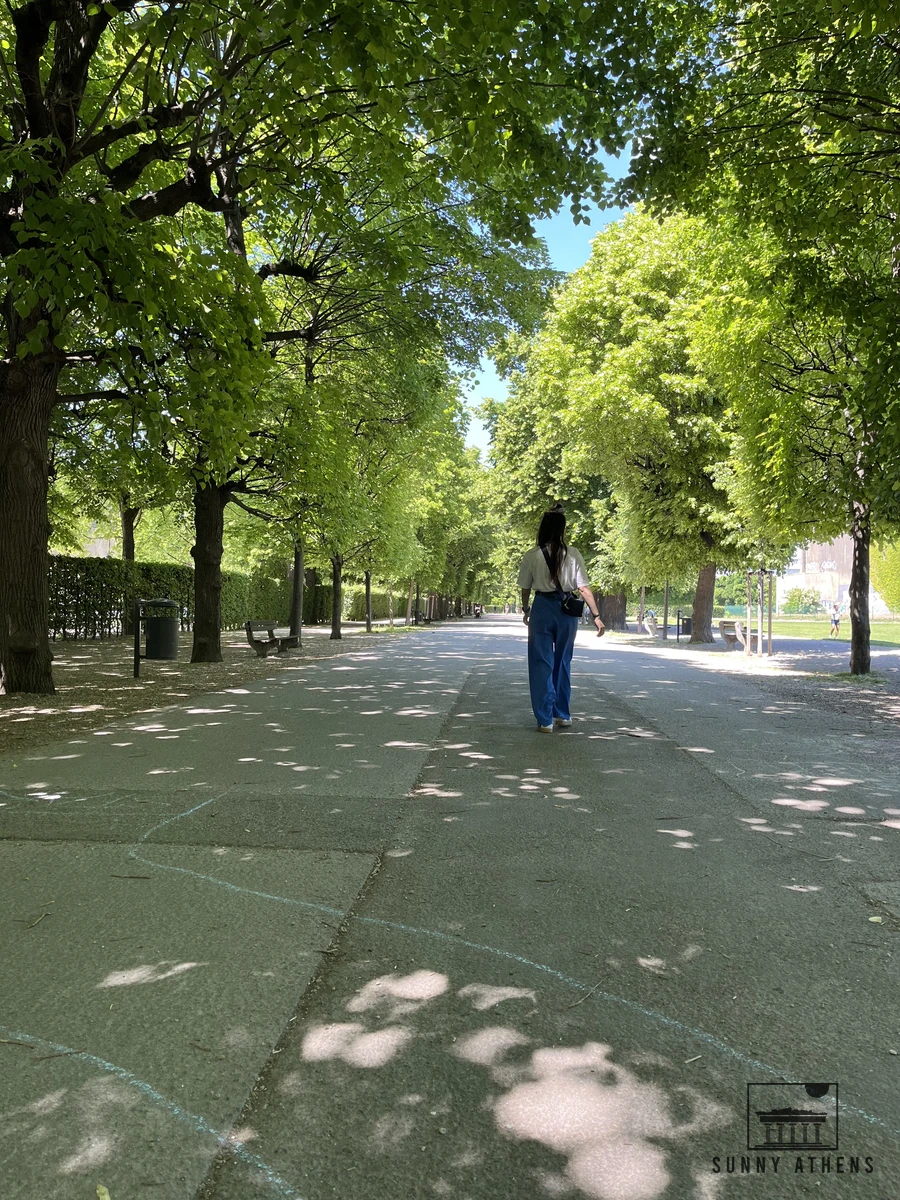
Why: Walk off your pastry by heading across the Danube Canal into the Augarten, a 0.5-square-kilometer park containing Vienna’s oldest Baroque gardens. The quiet, tree-lined gravel paths stand in stark contrast to two massive concrete anti-aircraft towers left behind from World War II. Seeing these huge concrete towers rising above classical 18th-century gardens makes this one of the most interesting parks to explore.
29. Quartier Servitenviertel
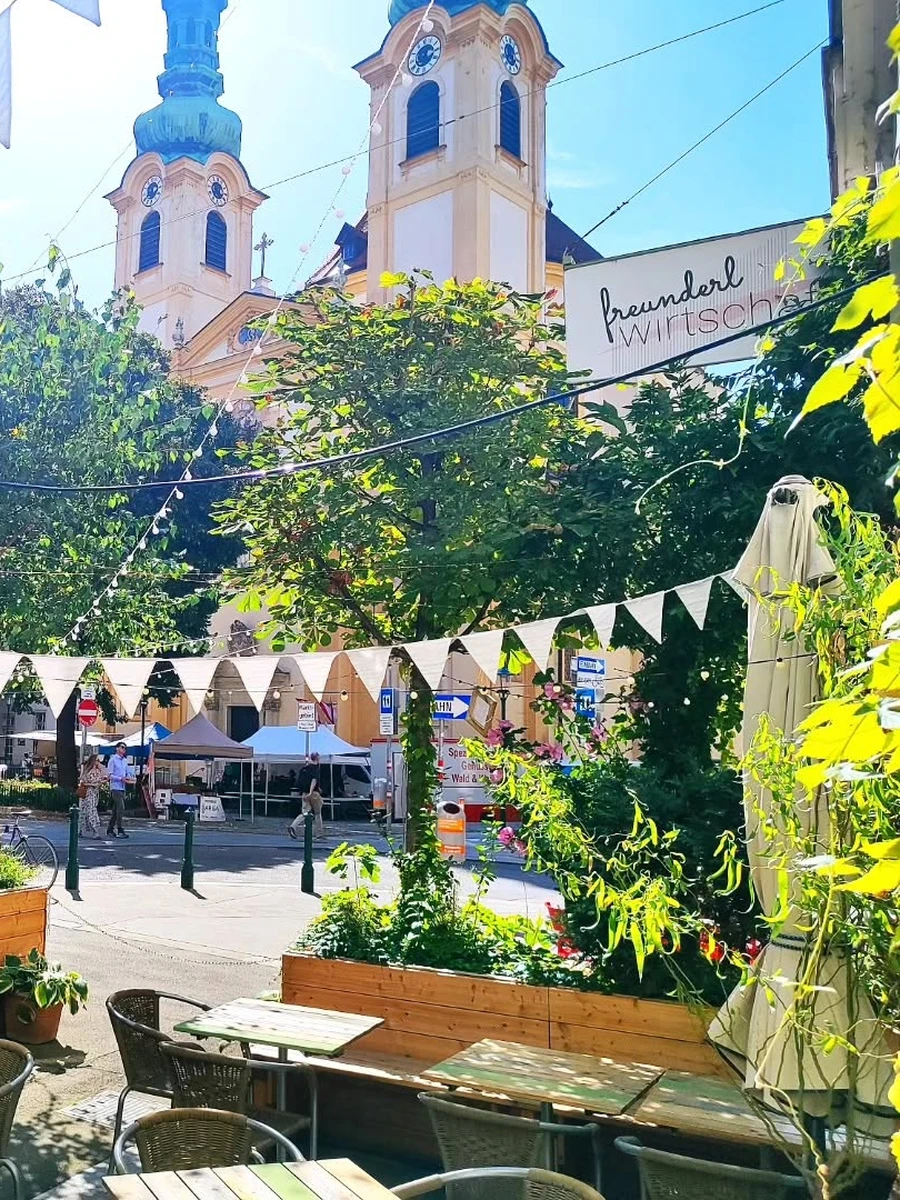
Why: The best way to wrap up your second day is in the nearby Servitenviertel, a neighborhood in the 9th district often called Vienna’s ‘Little Paris’. Its streets around Servitengasse are full of small shops, cafés, and bistros with a real neighborhood feel. Take a seat at die freunderlwirtschaft wien for a glass of Austrian wine and a relaxed dinner among locals.
Map Servitenviertel and die freunderlwirtschaft
Day 3: Modern Art, Belvedere & Classic Views
The recommended route for your third day
30. ULRICH
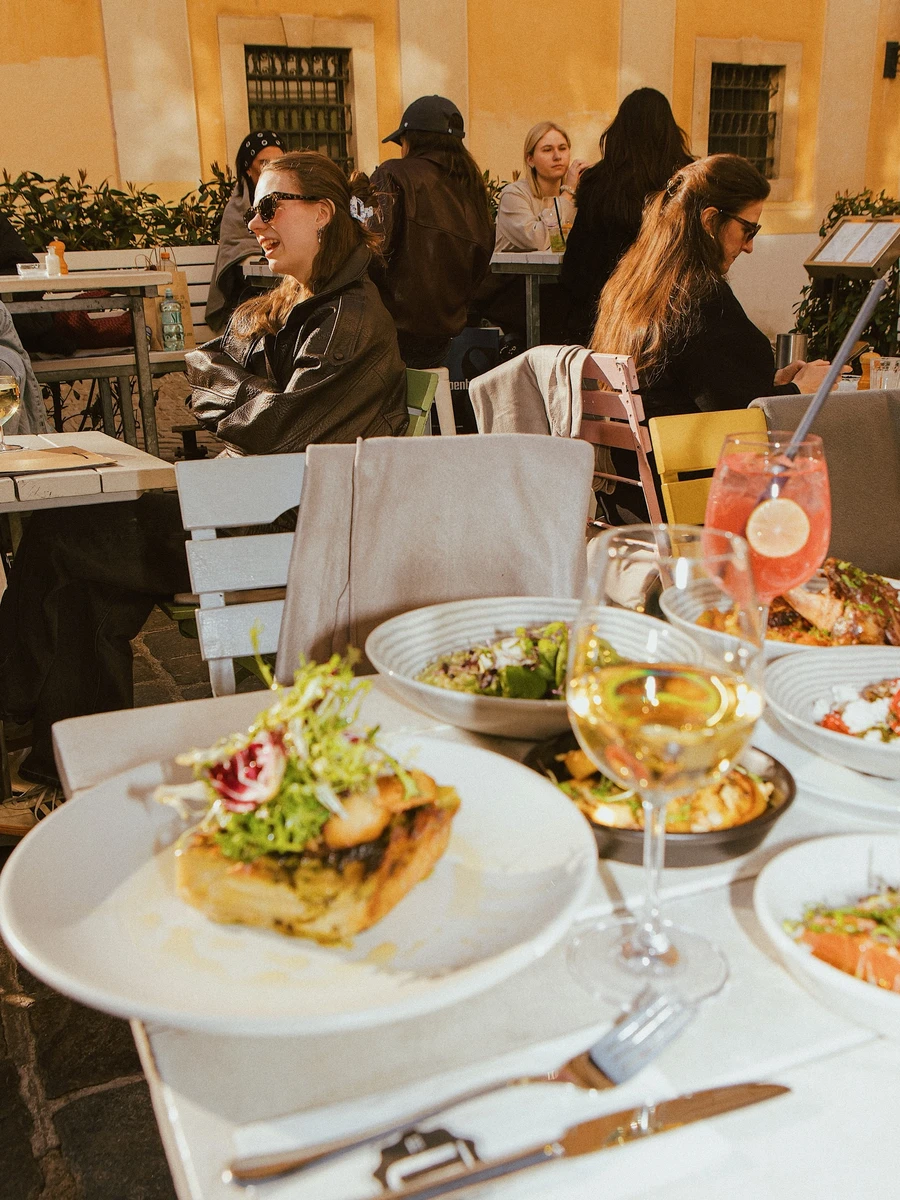
Why: Start the final morning of your 3 days in Vienna with great coffee and a hearty brunch at ULRICH, a lively spot in the 7th district. Situated on the quiet square of St. Ulrich, it has a relaxed neighborhood feel. Arrive reasonably early to get a table and try their smashed avocado toast or homemade granola.
31. Albertina Modern
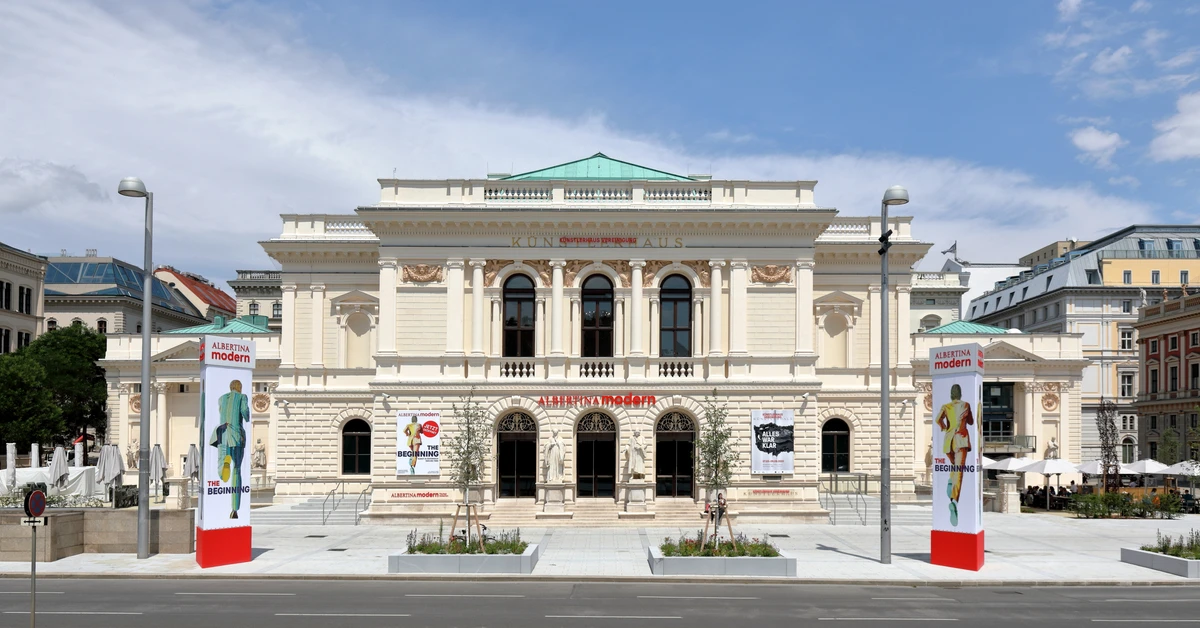
Why: After brunch, a short walk toward Karlsplatz brings you to the Albertina Modern, housed in the 1868 Künstlerhaus building. The restored Renaissance-style exterior was originally built as an exhibition and meeting space for Viennese artists. Nowadays, if you love contemporary art, the interior galleries showcase impressive works by post-war and Austrian artists.
32. Karlsplatz
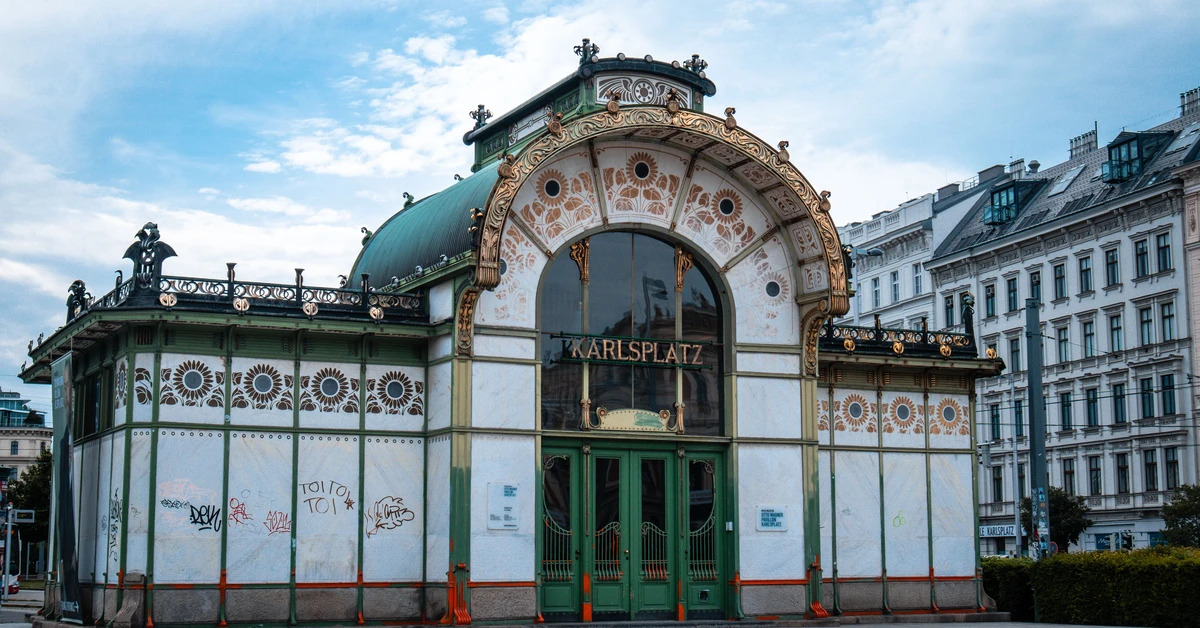
Why: Right outside Albertina Modern, Karlsplatz and Resselpark form a wide open square with tall green trees and park benches. The main highlight here is the pair of Otto Wagner Pavilions, built in 1898 with green iron, white marble, and gold details for the historic city train. It is a pleasant place to walk around, and following the path brings you directly in front of the impressive Karlskirche.
33. St. Charles’s Church
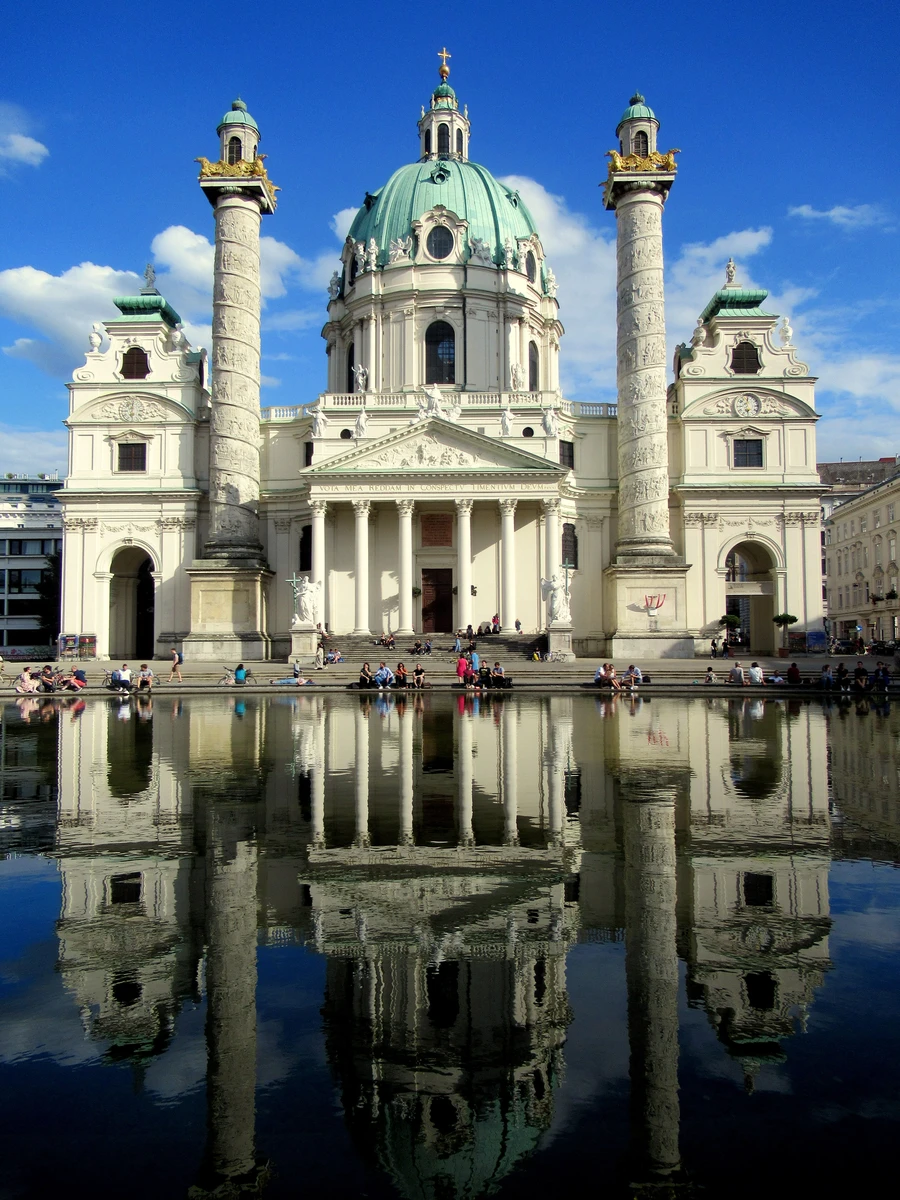
Why: At the southern edge of the park, you can admire Karlskirche, widely considered the finest Baroque church in Austria. Built in the early 1700s, the front features two massive columns inspired by Trajan’s Column in Rome and an enormous green dome. Stand by the shallow reflecting pool in front for a classic photo, or attend an evening concert of Vivaldi’s Four Seasons inside to experience its exceptional acoustics.
34. Wien Museum Karlsplatz
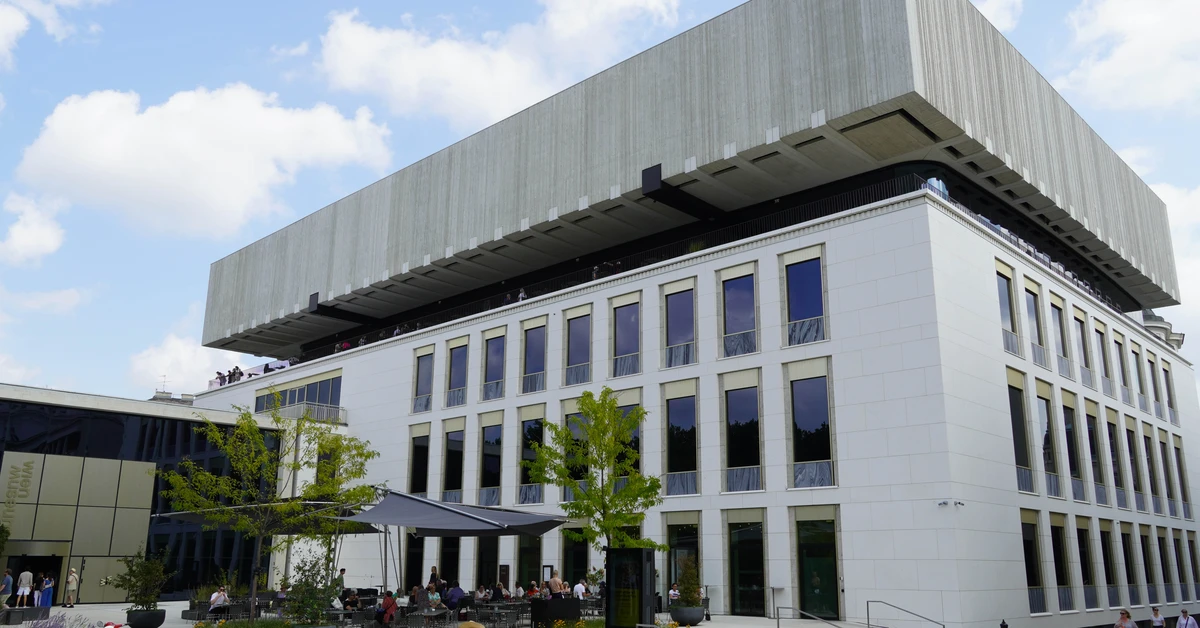
Why: Right next to Karlskirche, the Wien Museum recently reopened with a modern upper floor added above its 1950s base. The building showcases how Vienna blends contemporary architecture into historic public spaces. Keep in mind that entry to the permanent city history collection is free if you decide to take a look inside.
35. Vienna University of Technology
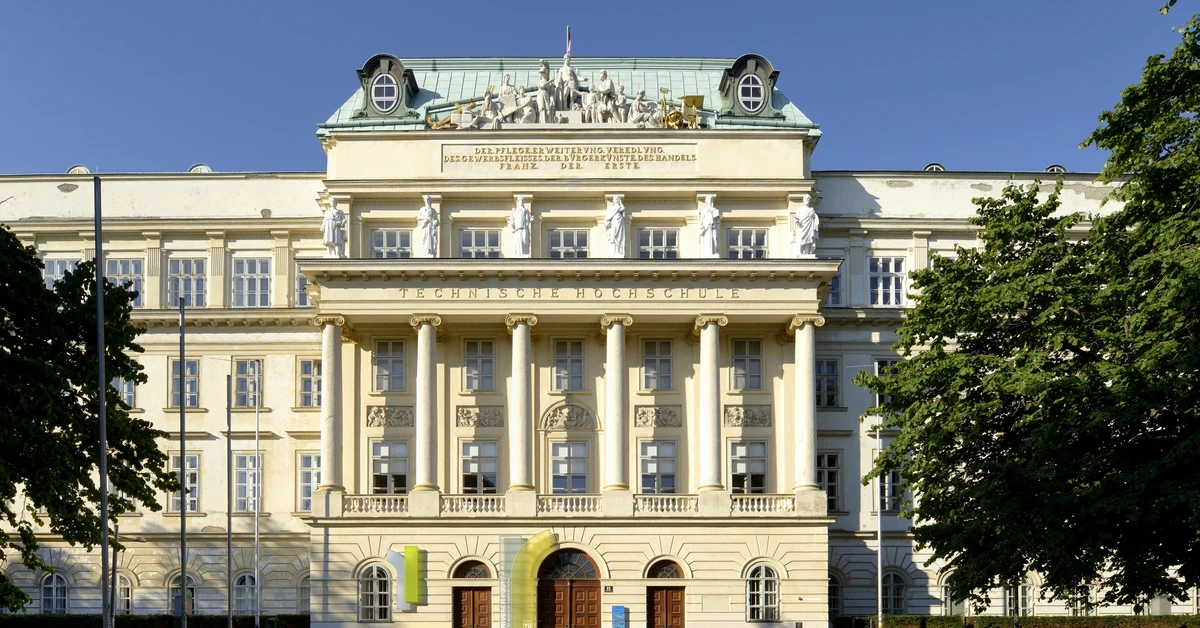
Why: Across the southern side of the square stands the main building of the Vienna University of Technology (TU Wien), founded in 1815. Its neoclassical facade looks out over Karlsplatz, centered around a grand domed hall. As you cross the square, walking past it gives you a real feel for the historic academic scale of the area.
36. Musikverein Wien
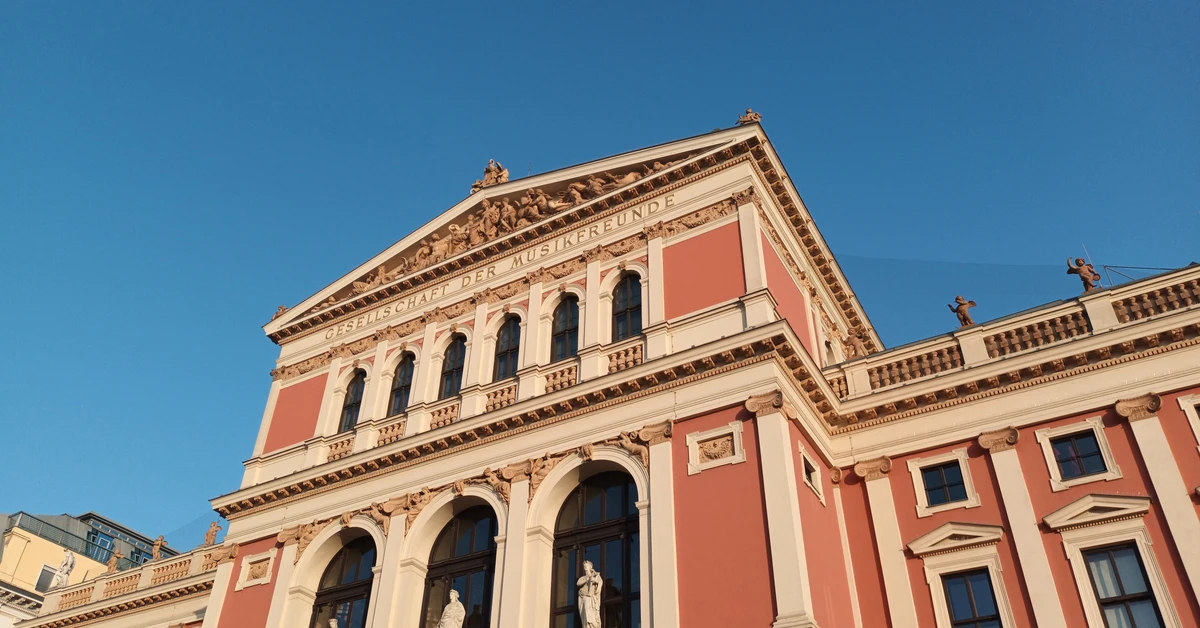
Why: A short stroll toward the Ringstrasse brings you past the Musikverein Wien, the concert hall of the Vienna Philharmonic known worldwide for having some of the best acoustics anywhere. Its famous Golden Hall hosts the annual Vienna New Year’s Concert, seen on television by millions of people each January. The building was designed by Theophil Hansen in classical Greek Revival style, decorated with statues and terracotta friezes.
37. Hochstrahlbrunnen
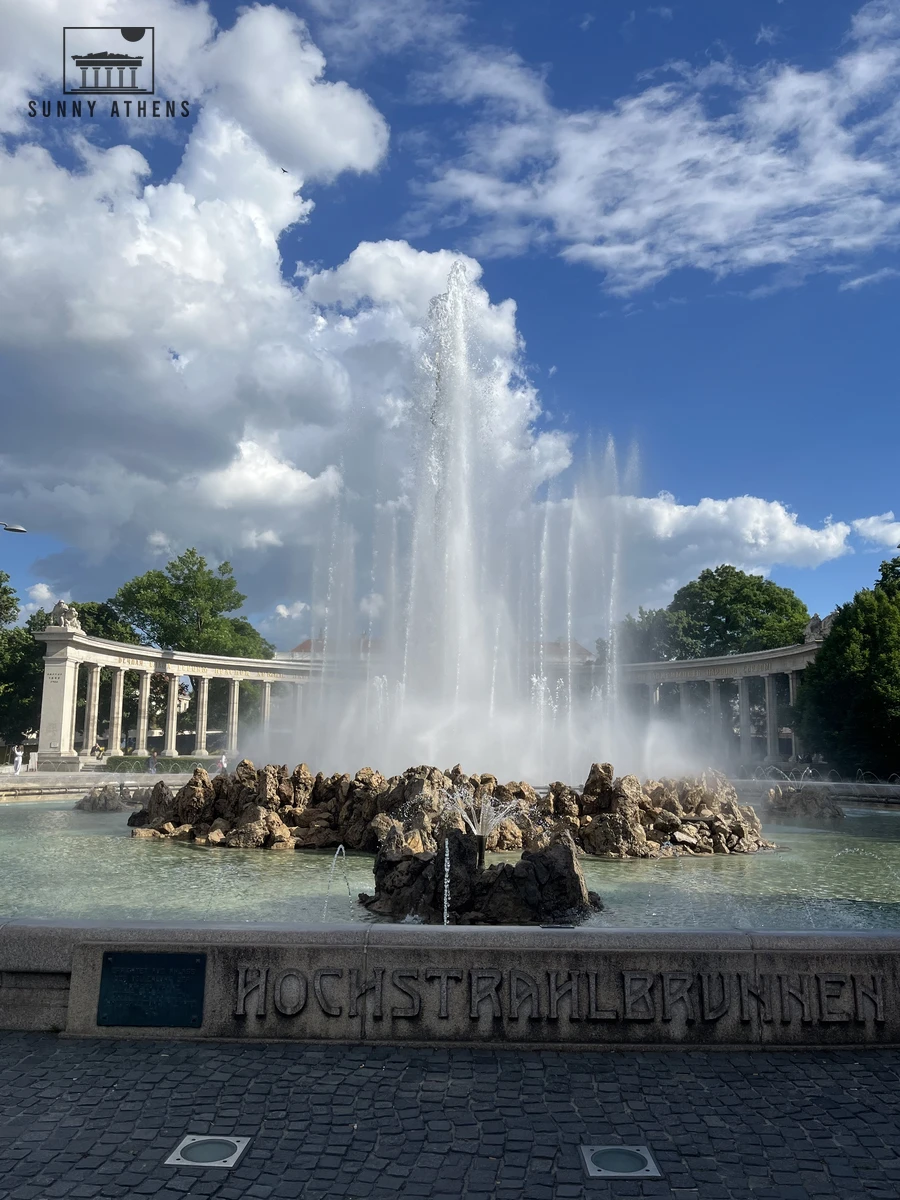
Why: Next, make a quick stop at the Hochstrahlbrunnen fountain on Schwarzenbergplatz, built in 1873 to celebrate Vienna’s fresh mountain spring water. Its hundreds of water jets symbolize the days and months of the year, powered by fresh water coming directly from the Alps. It’s a refreshing spot to pause for a few minutes on your way to the Belvedere.
38. Belvedere Palace Gardens
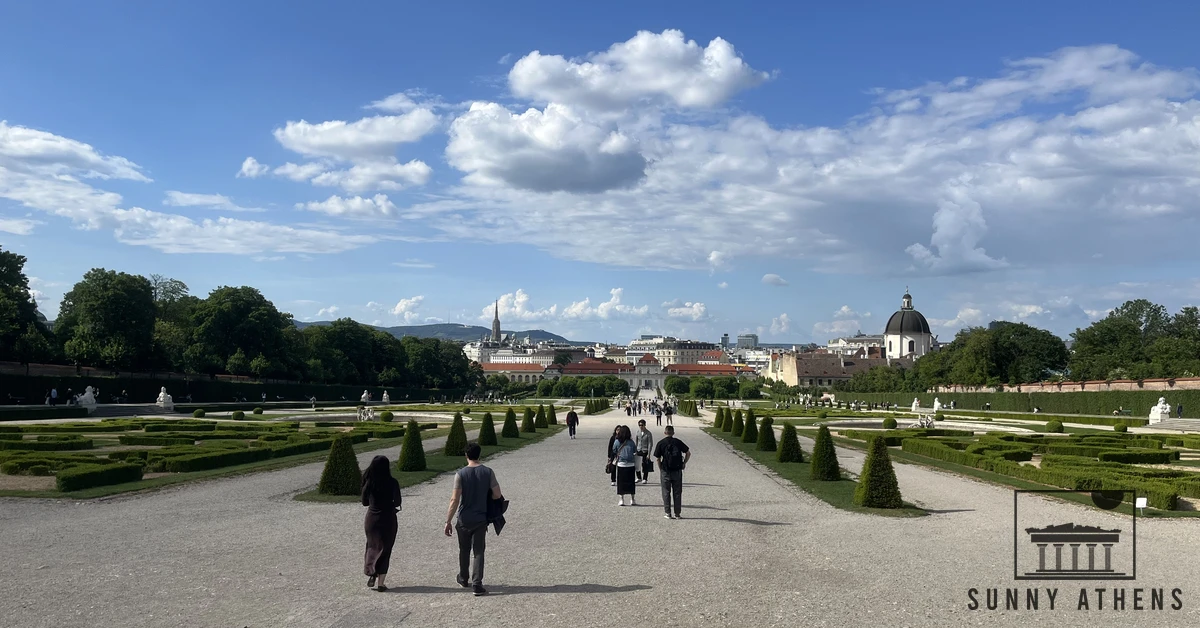
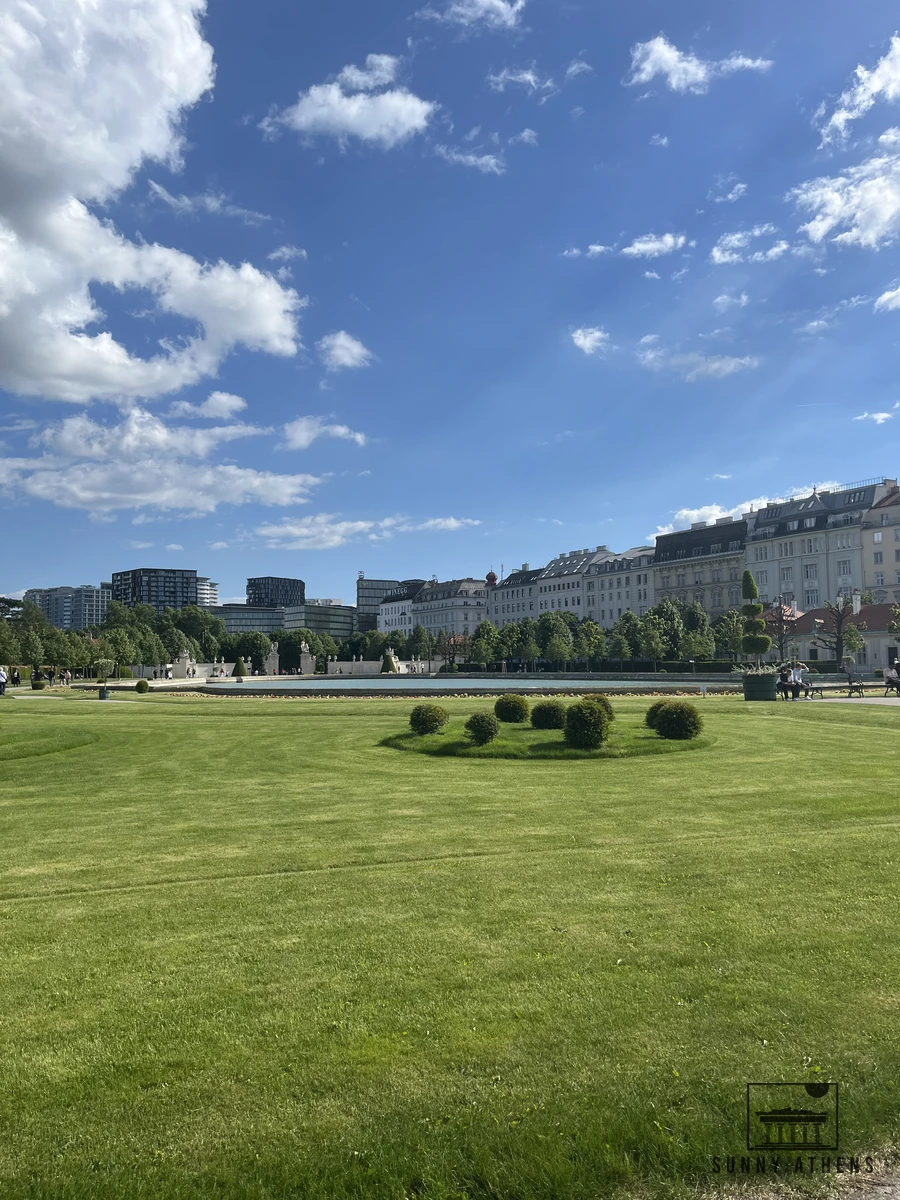
Why: Your next stop is the Belvedere Palace Gardens, one of the most pleasant outdoor walks in all of Vienna. These formal French-style Baroque gardens connect Lower and Upper Belvedere across a gentle hill, featuring tiered fountains, statues, and neat gravel paths. Take your time to walk through them, as the stroll is completely worth it and offers a classic view toward the spire of St. Stephen’s Cathedral.
39. Upper Belvedere Palace
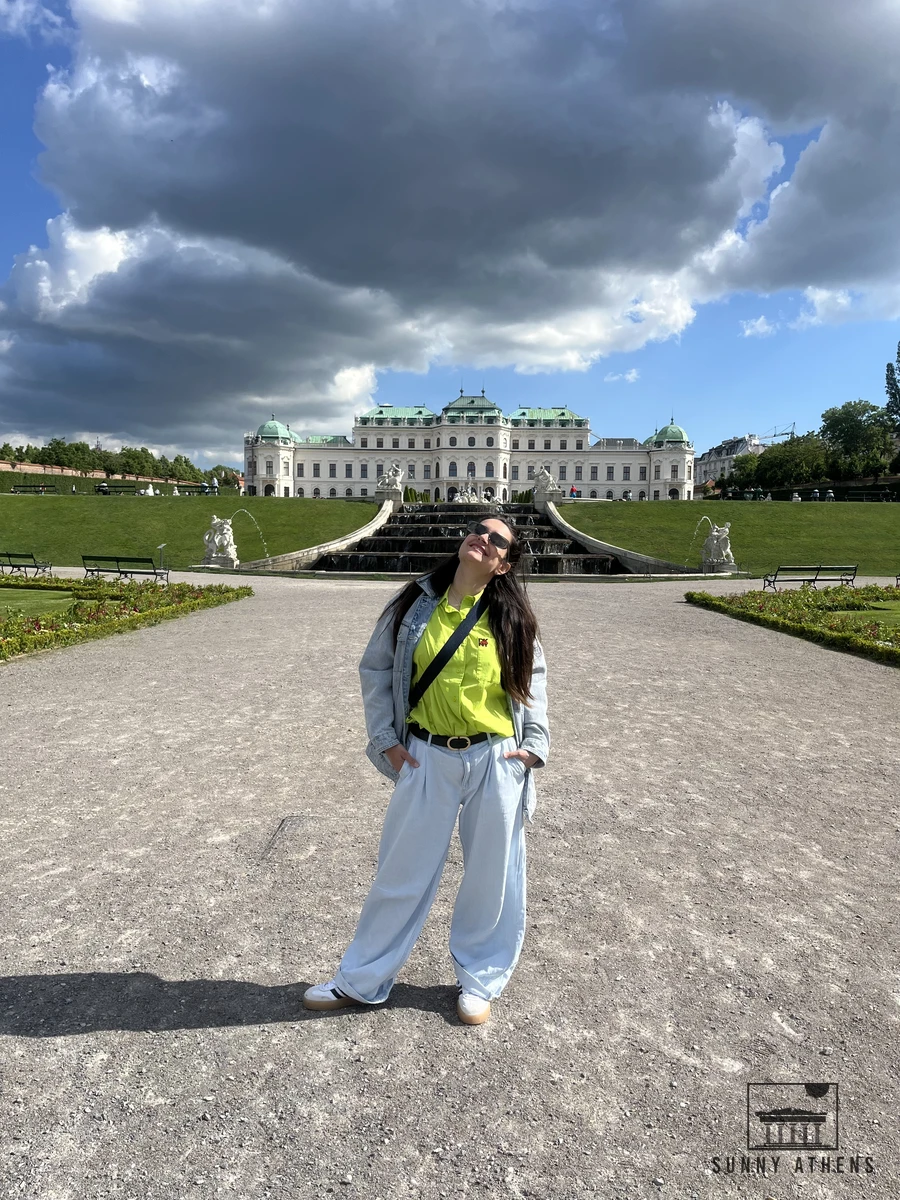
Why: At the top of the gardens, the Upper Belvedere is an 18th-century Baroque summer palace built for Prince Eugene of Savoy. Today, it houses Austria’s national art gallery, including the world’s largest collection of Gustav Klimt paintings, highlighted by ‘The Kiss’. Seeing the palace and its reflecting pond from outside is well worth the stop, but if you want to tour the galleries, book your Upper Belvedere entry ticket online to skip the counter lines.
40. Hundertwasser House
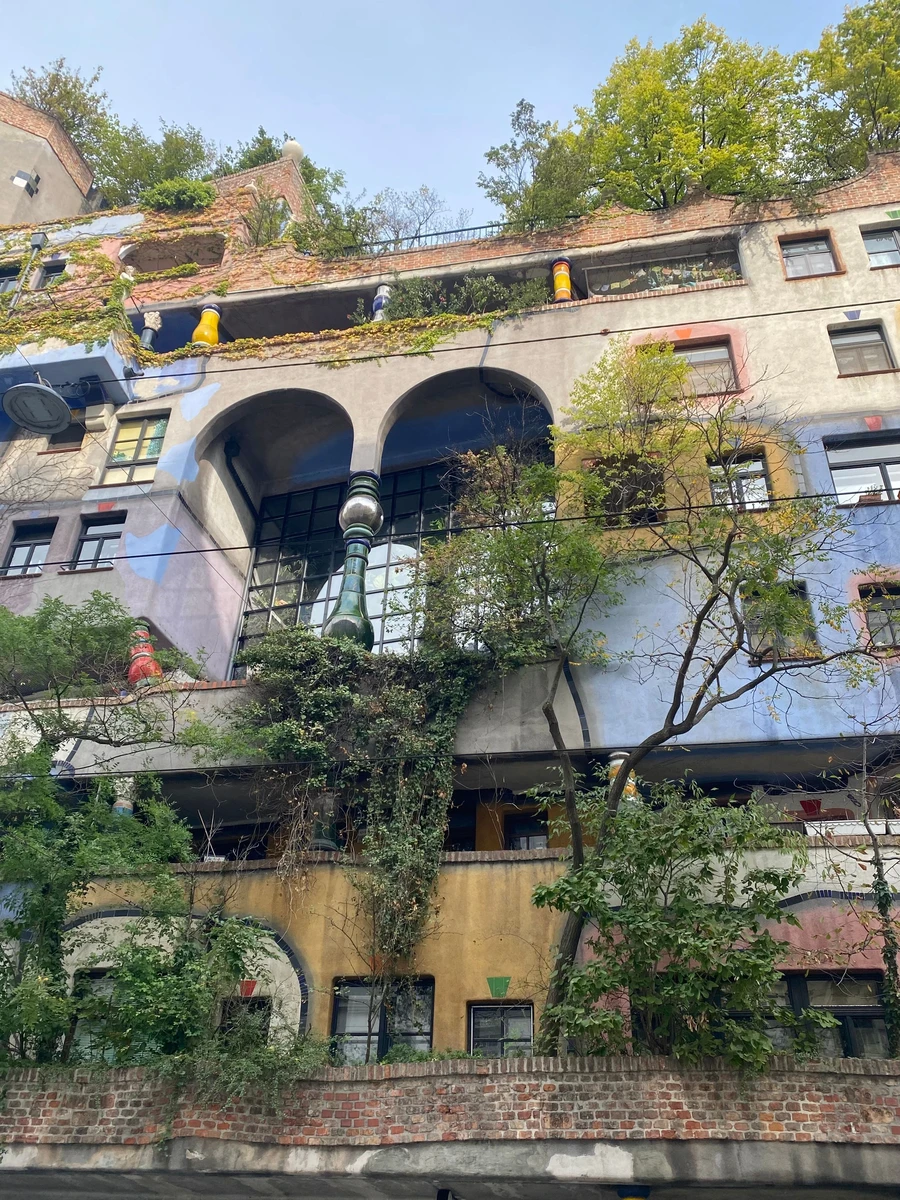
Why: From the Belvedere, take a short ride on Tram 1 to the Hundertwasser House, one of the most colorful sights in Vienna. Designed by artist Friedensreich Hundertwasser in 1985, this apartment block has no straight lines, featuring bright painted walls, uneven floors, and trees growing out of balconies. Right across the street, you can walk into the Hundertwasser Village to grab a coffee or pick up a unique souvenir.
Map Hundertwasser House and Hundertwasser Village
41. Prater
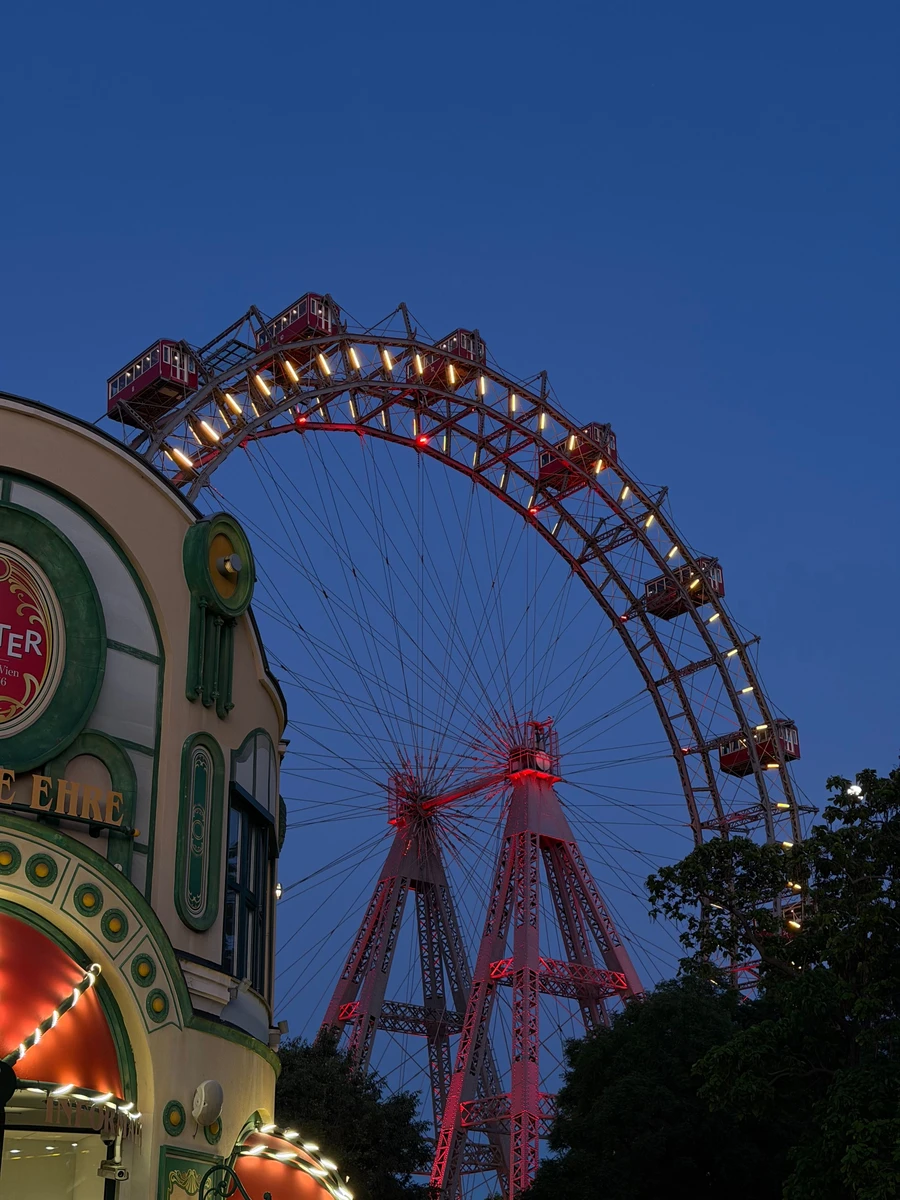
Why: Hop back on Tram 1 across the canal to head into the Prater, a historic amusement park that really comes alive in the late afternoon and evening. Right near the entrance stands the Giant Ferris Wheel (Wiener Riesenrad), which has been operating since 1897. Taking a ride in one of its vintage red wooden cabins lifts you 65 meters up for great views across the illuminated city.
42. ROLLERCOASTERRESTAURANT Vienna
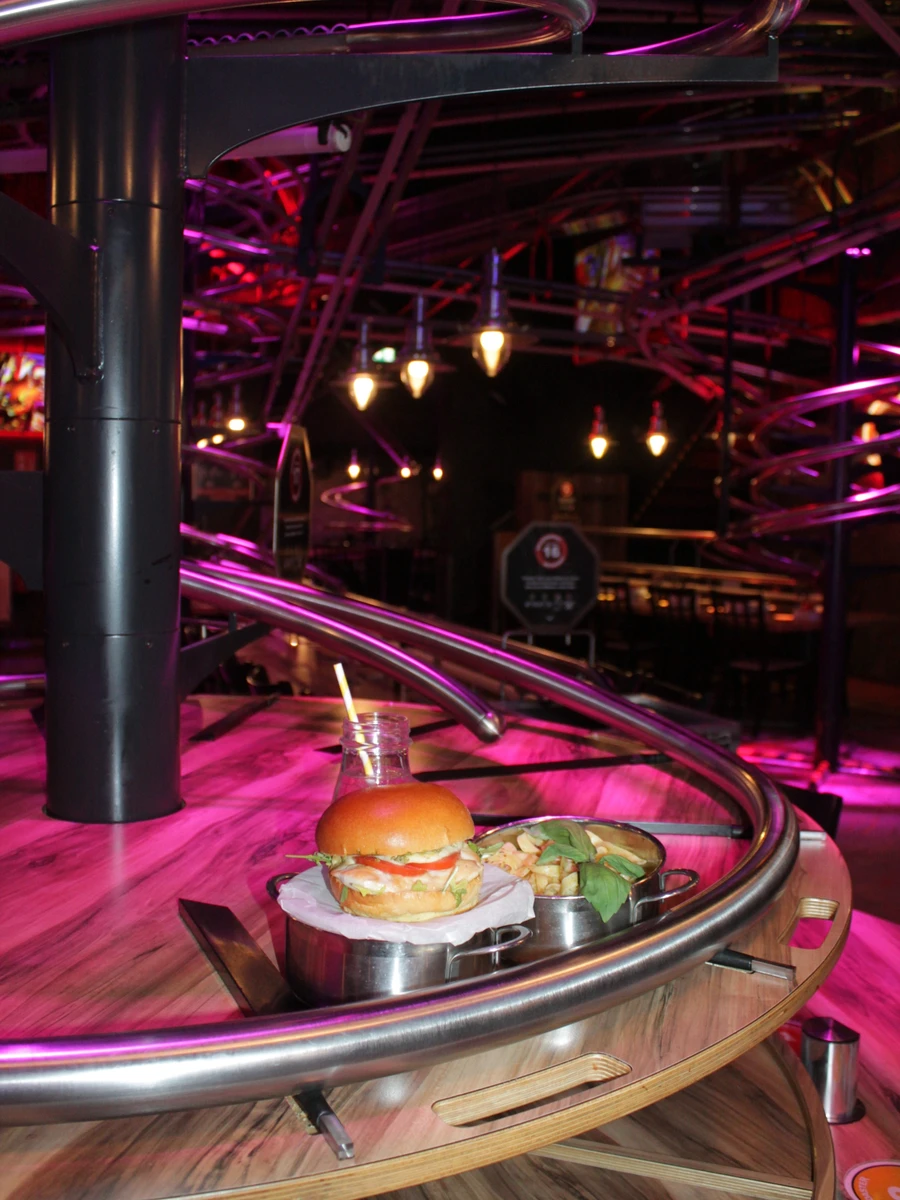
Why: The best way to wrap up your 3 days in Vienna is with dinner right next to the Ferris Wheel at the ROLLERCOASTERRESTAURANT, where food and drinks slide down to your table on roller coaster tracks. Even though it feels a bit like a theme park game, Chrysavgi and I had a lot of fun watching our orders roll down from the ceiling. If you prefer a quieter, sit-down dinner to end your trip, Mesze_Vienna is just a short walk away.
Map ROLLERCOASTERRESTAURANT and Mesze_Vienna
Practical Tips for 3 Days in Vienna
To help your 3 days in Vienna go smoothly, here are a few practical tips to keep in mind:
- Get a Vienna Transit Pass: Public transport in Vienna is among the best in Europe. A 72-hour transit pass gives you unlimited rides on all subways, trams, and buses.
- Book Schönbrunn and Belvedere Tickets Early: During busy months, lines at Schönbrunn Palace and the Belvedere can be very long. Buying your timed-entry tickets online for Schönbrunn Palace and the Belvedere before you go saves a lot of waiting time.
- Carry Some Cash: Credit cards and mobile payments work almost everywhere, but small bakeries and traditional sausage stands (Würstelstände) often prefer cash.
- Wear Comfortable Shoes: You will easily walk 15,000 to 20,000 steps per day on cobblestones and gravel paths. Leave stiff shoes at home.
- Plan Around Sunday Closures: Supermarkets and shopping stores are closed on Sundays in Austria, though museums, restaurants, and sights operate normally. Plan any souvenir shopping for Friday or Saturday.
Frequently Asked Questions
Is Vienna a walkable city?
Yes, Vienna is very walkable, especially inside the historic 1st District where many main streets are pedestrian-only.
For sights further away like Schönbrunn Palace and the Prater, the U-Bahn and tram network is fast and inexpensive.
Alternatively, Uber, Bolt, and local taxis are readily available throughout the city if you want a direct ride back to your hotel late at night.
What is the best time of year to visit Vienna?
The best months for 3 days in Vienna are late spring (May to June) and early autumn (September to October).
During these periods, the weather is pleasant for walking, garden flowers or autumn leaves look great, and crowds are manageable.
December is also a popular time to visit if you want to see Vienna’s world-famous Christmas markets.
Can you drink tap water in Vienna?
Yes, tap water in Vienna is completely safe and tastes great.
It comes directly from mountain springs in the Austrian Alps through historic mountain aqueducts.
Bring a refillable bottle and fill it up from any tap or public drinking fountain across the city.
Final Thoughts
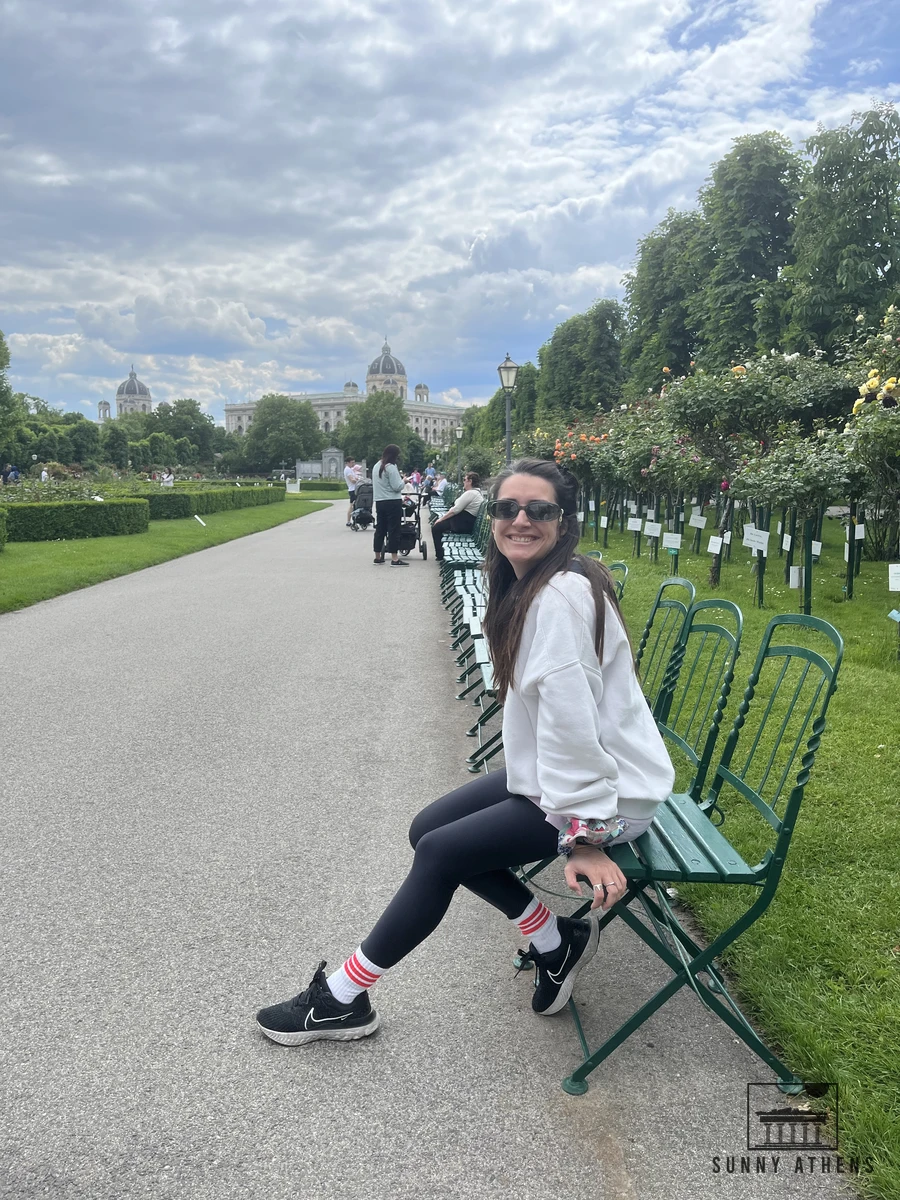
Spending 3 days in Vienna offers the perfect introduction to Austrian culture, art, and imperial architecture.
If you enjoy short European city trips, you can also check out our guides to 4 days in Prague, one day in Wroclaw, or Edinburgh in 4 days.
And if you are planning to visit Greece next, don’t miss my detailed local tips in Athens in 3 days made simple.
Plan Your Trip
Stay: Stay: Booking.com (24/7 support, easy booking)
Airport: Welcome Pickups (pre-booked, reliable airport transfers)
Drive: Discovercars (compare prices, free cancellation)
Connect: Airalo eSIM (cheap data)
Do: GetYourGuide (unique tours & activities)
Fly: Skyscanner (find the cheapest flights)
Explore: GuruWalk (free walking tours worldwide)
Protect: SafetyWing (affordable travel insurance)
Sunny Athens is reader-supported. Some links on this page may be affiliate links, meaning we may earn a small commission at no extra cost to you, if you make a purchase. This helps support our work and keeps our travel tips honest and independent. Learn more in Advertise Disclosure.


