

A practical guide for spending one day in Dubrovnik, featuring a 15-stop walking route through the Old Town, tips for the City Walls, and direct Google Maps pins.
Dubrovnik was the first stop on our four-day road trip across Croatia, giving us our first look at the Dalmatian coast.
Enclosed by stone defensive walls right on the edge of the Adriatic, the historic center is compact and pedestrian-only.
You can easily get everywhere on foot, but timing your day matters if you want to avoid the busiest midday hours.
Chrysavgi and I spent a full day walking the ramparts and streets before heading north toward Split and Zagreb.
This guide outlines the exact route we followed, with practical advice to help you organize your time in the city.
Are 1–2 Days Enough in Dubrovnik?
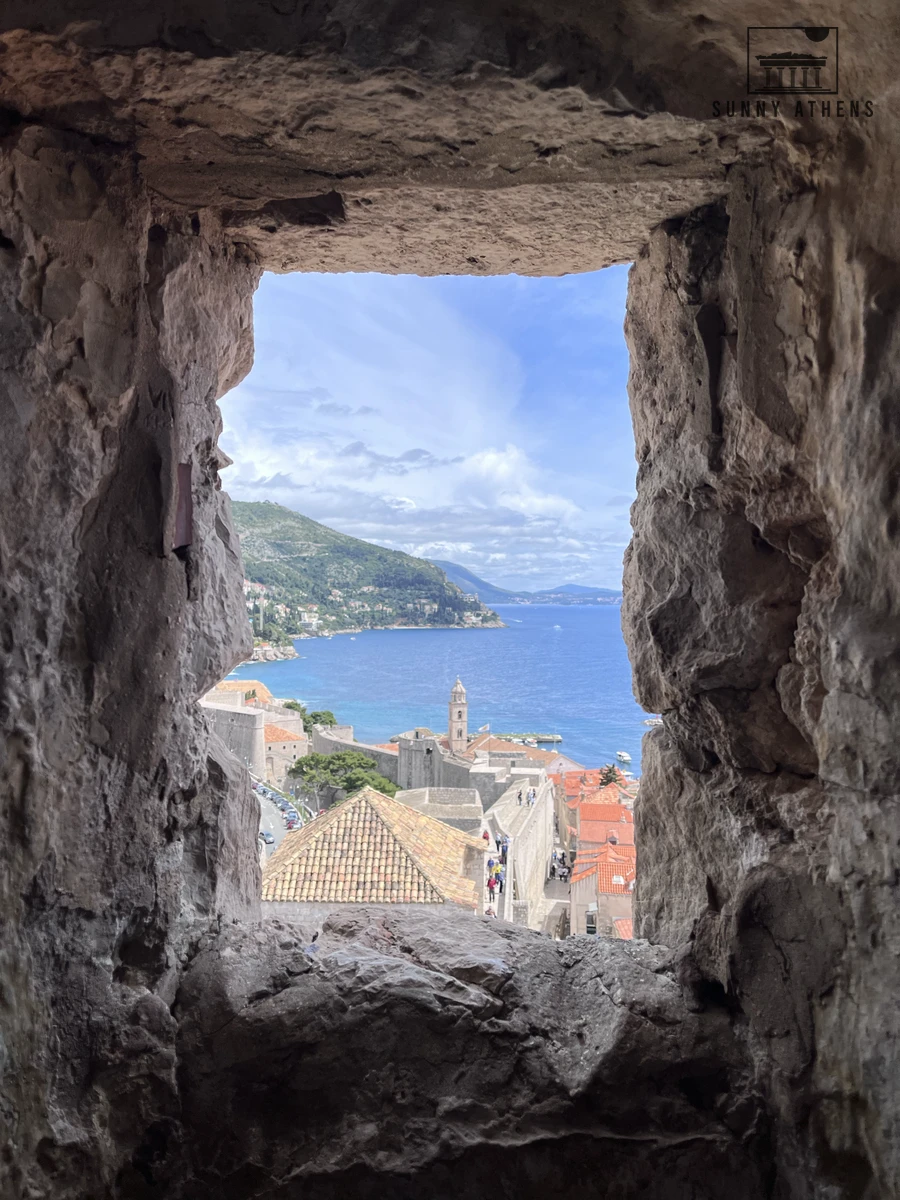
For most travelers, one day in Dubrovnik is plenty of time to see the highlights.
The historic center is small enough that you can walk from one end of the main street to the other in under ten minutes.
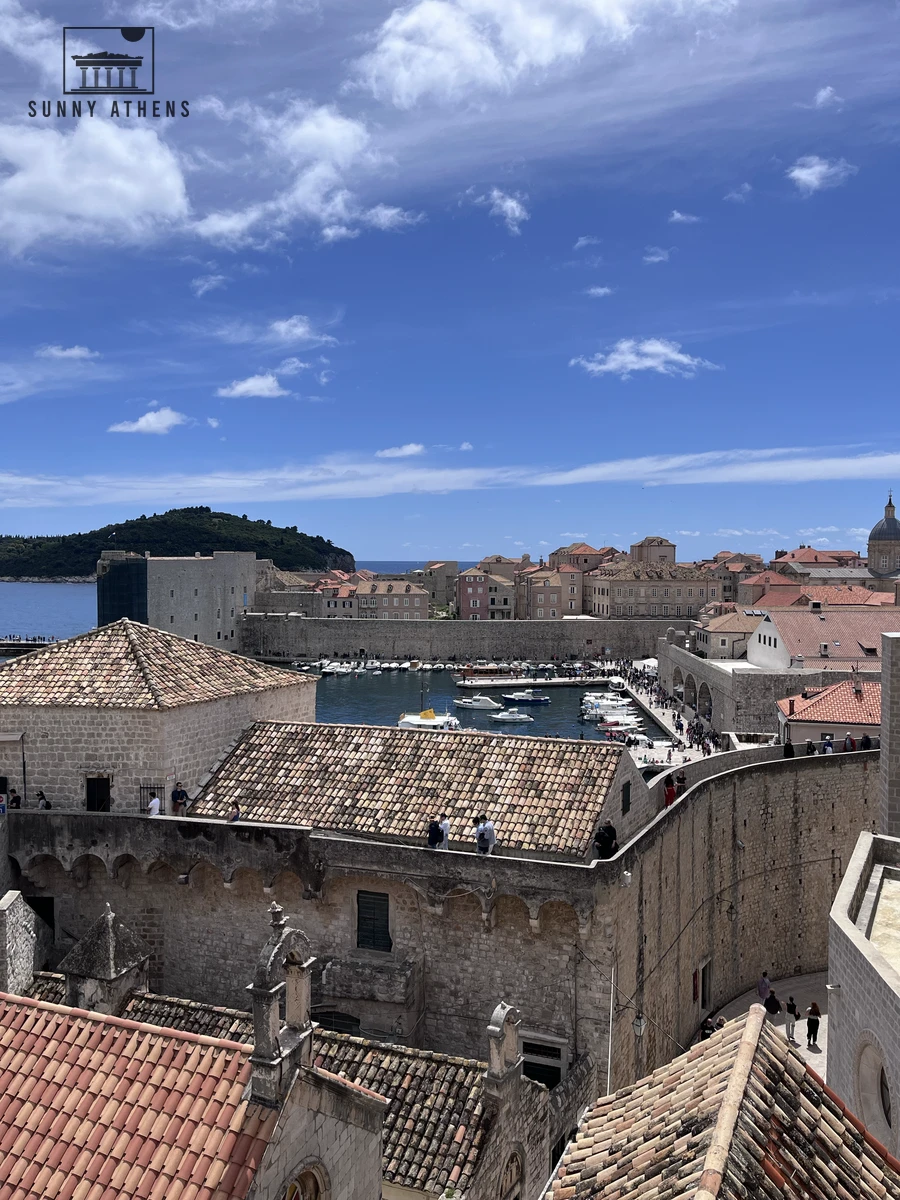
In one full day, you can walk the 2-kilometer circuit of the City Walls, visit the main palaces and monasteries, and stop for dinner by the Old Port.
If you have a second day, you can spend it swimming at Banje Beach, kayaking along the cliffs, or taking the 15-minute ferry to Lokrum Island.
For our trip, one full day was just right to explore the Old Town before continuing our drive through the country.
Where to Stay in Dubrovnik?
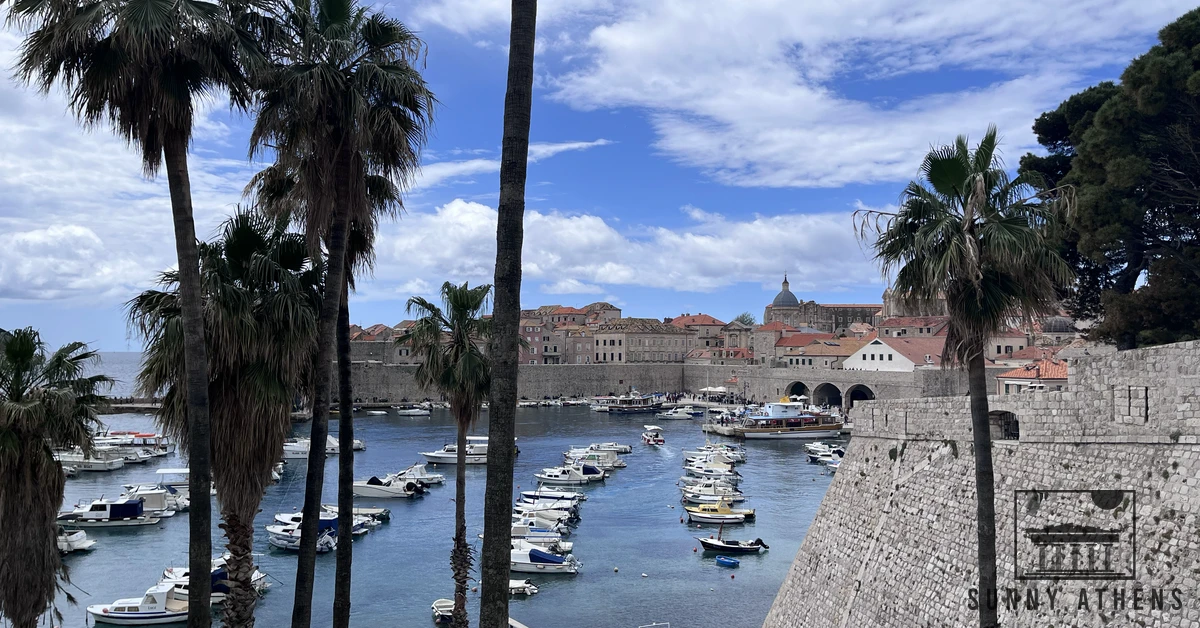
When deciding where to stay for one day in Dubrovnik, your main choice usually comes down to convenience versus cost and parking.
Accommodations inside the city walls are expensive and often involve climbing steep stone stairs with luggage, with no vehicle access.
During our visit, Chrysavgi and I stayed at Konoba Galijun in Zaton.
Located right on the water about a 15-minute drive outside town, it offered waterfront rooms, a restaurant, and free parking on site.
Leaving our rental car there and taking an Uber directly to the Old Town gates saved us from dealing with heavy traffic and high parking rates.
If you want a comfortable mid-priced alternative outside the walls that is closer to the center, Hotel Lero is a solid choice located about a 20-minute walk (or a short local bus ride) from Pile Gate, with seasonal pool access and on-site parking.
If you prefer staying inside the walls on a budget, Old Town Hostel offers a simple, central base near Stradun.
For upscale lodging, Hotel Excelsior Dubrovnik is located just outside the eastern gate, offering sea views and direct looks toward the Old Town.
How to Get There?
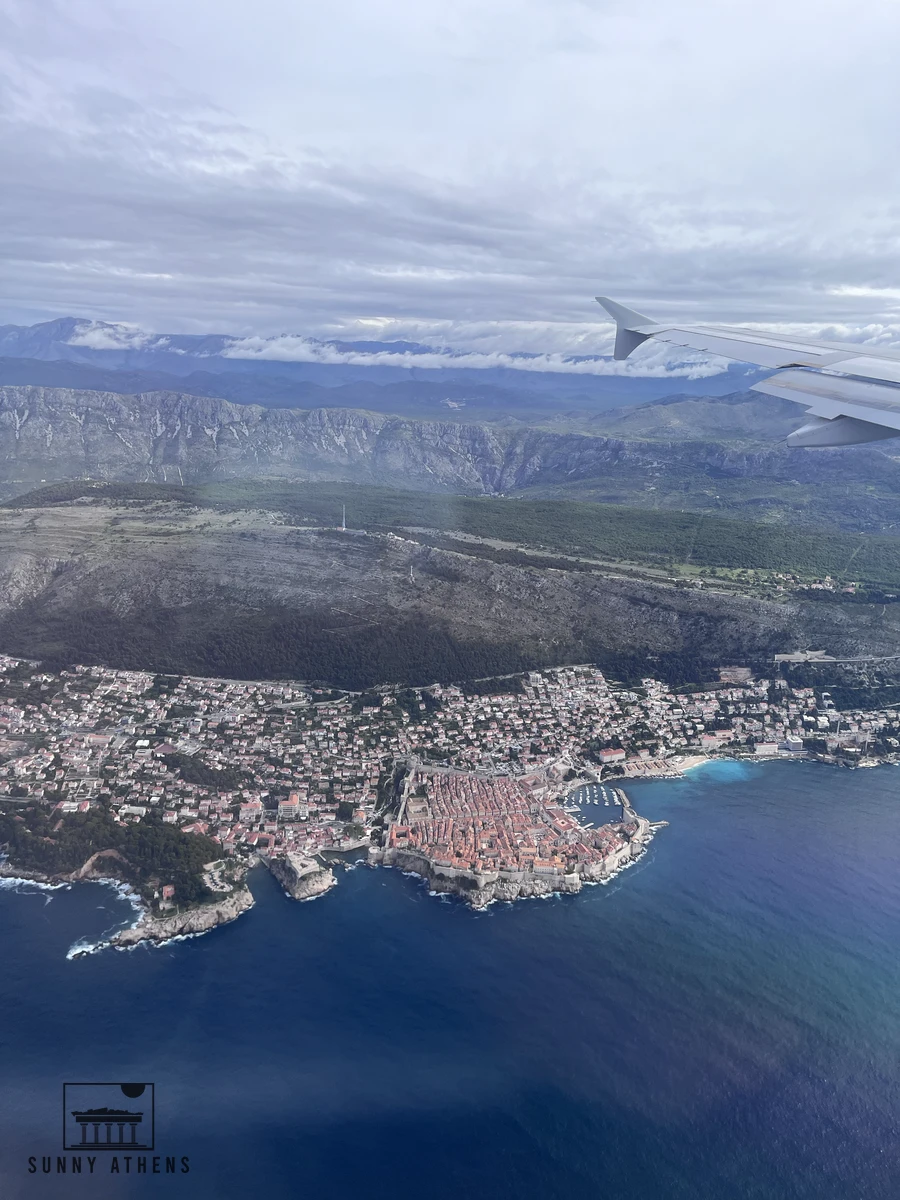
We flew into Dubrovnik Airport (Cilipi – DBV) directly from Athens.
The airport is located 20 kilometers south of the city along the coast.
Because Dubrovnik marked the start of our road trip, we picked up a rental car directly at the terminal.
Over the following days, that car took us north along the coast to Split, through Plitvice Lakes National Park, and finally to Zagreb.
If you do not need a car, the Platanus airport shuttle bus runs regularly between the terminal and Pile Gate, taking about 30 minutes.
Taxis and Uber rides are also readily available outside arrivals, offering direct drop-offs near the pedestrian gates.
One Day in Dubrovnik Walking Itinerary
I organized this walking route to connect the main sights in a logical order while keeping walking distances short.
Starting early at Ploce Gate lets you walk the City Walls first, before midday heat and large tour groups arrive.
From there, the route heads through the center past the fountains, churches, and monasteries, with stops for lunch and coffee along the way.
The afternoon includes a viewpoint over the coast, a harbor dinner by the Old Port, and gelato to finish the day.
The recommended route for your day in Dubrovnik
1. Dubrovnik City Walls
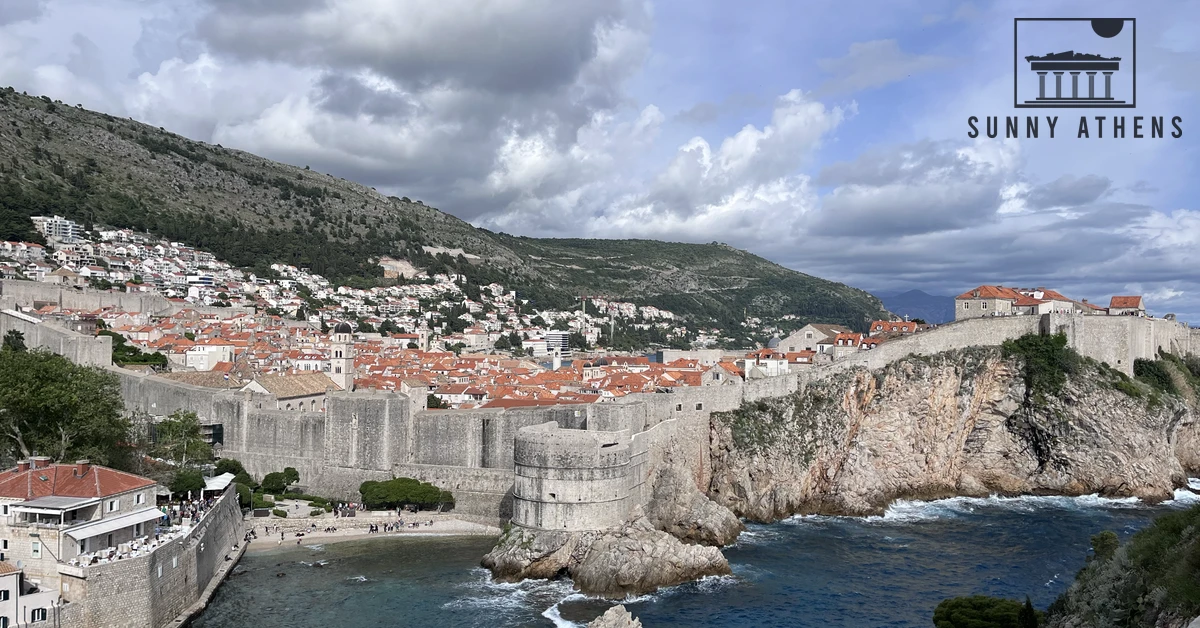
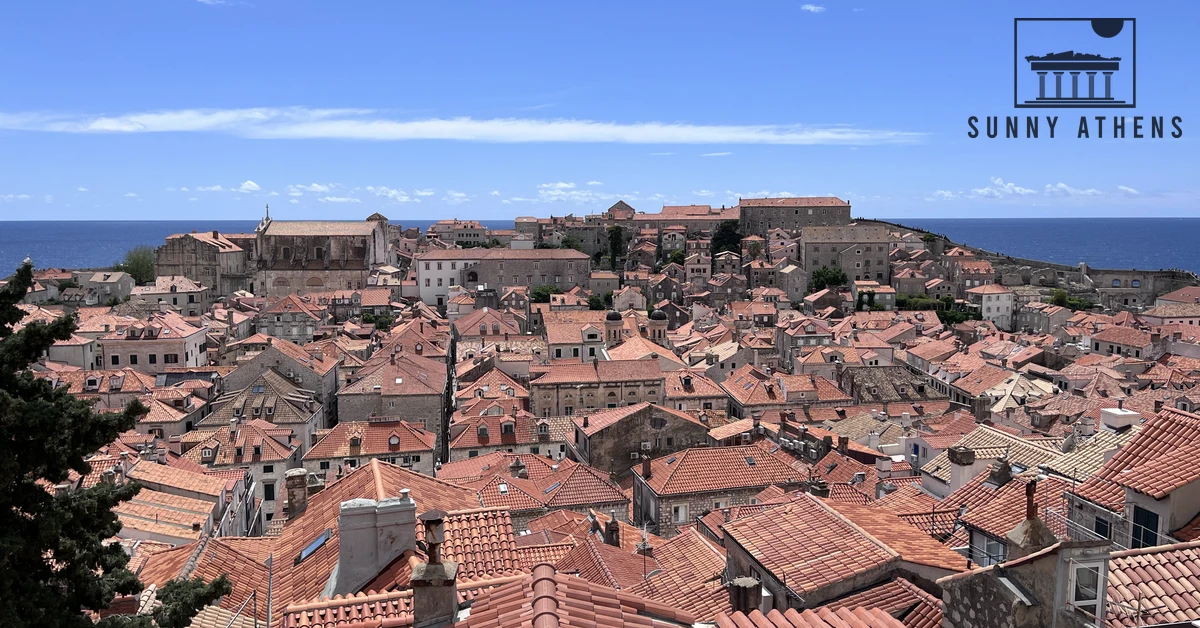
Why: Built between the 13th and 16th centuries, these stone walls protected the maritime Republic of Ragusa from Venetian and Ottoman attacks. Today, you can walk the entire 2-kilometer circuit around the Old Town along the elevated ramparts. Starting your morning walk at Ploce Gate allows you to enjoy great views of the red-tiled rooftops and the Adriatic before midday tour groups arrive. If you prefer exploring with a local guide, you can also join a City Walls walking tour that covers the history of the fortifications.
2. Fort Lovrijenac
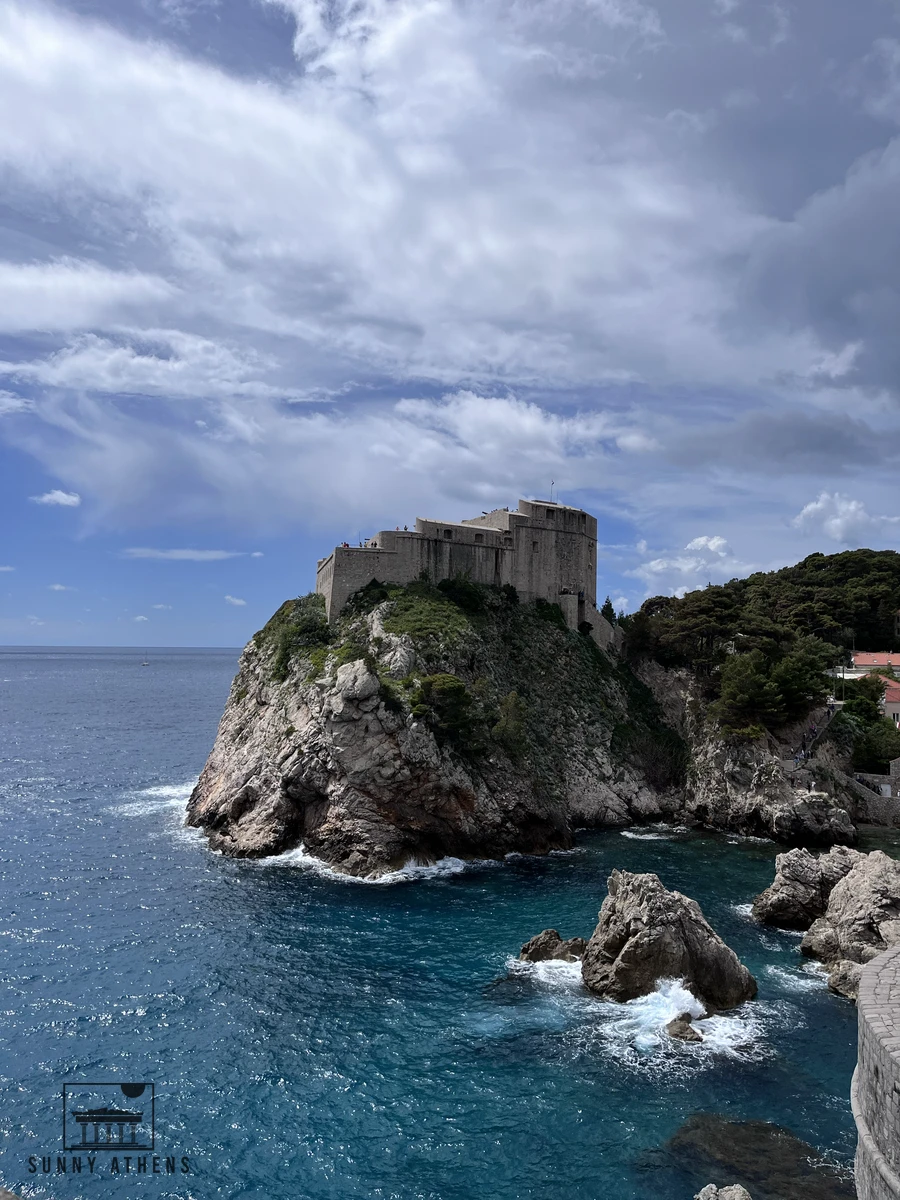
Why: After completing the circuit of the City Walls, make sure to exit through Pile Gate to reach this 11th-century fortress situated on a 37-meter-high cliff right outside. Your City Walls ticket includes entry here as well, so you can head straight inside without buying an extra pass. If you watched Game of Thrones, you will recognize it as the Red Keep, and the upper terrace offers a great view looking back across the bay toward the city walls.
3. Large Onofrio’s Fountain
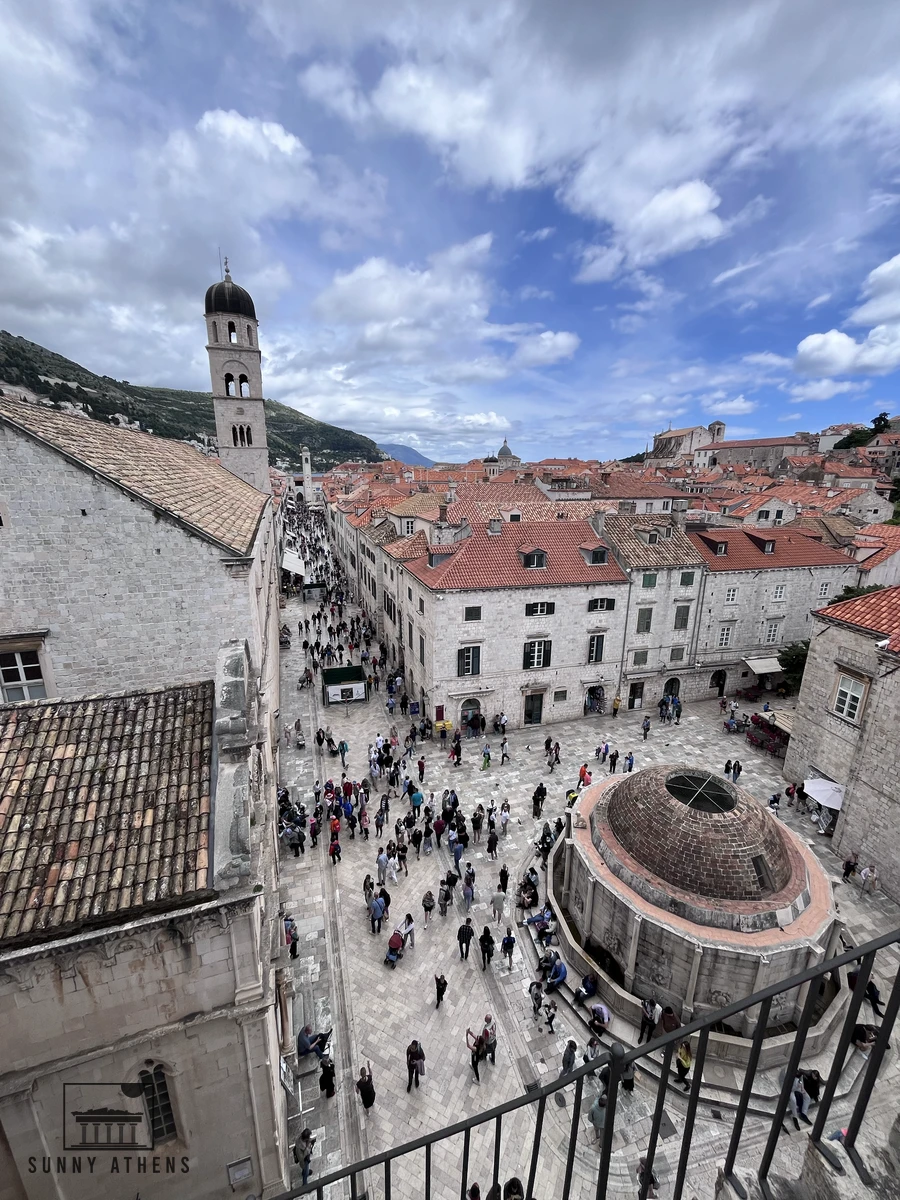
Why: Standing right inside Pile Gate, this 16-sided domed fountain was built in 1438 by Neapolitan architect Onofrio della Cava. It was the terminus of a 12-kilometer aqueduct system that brought spring water to the city from the mountains. The water from its stone spouts is safe to drink, making it a handy place to refill your water bottle as you re-enter the Old Town.
Map Pile Gate & Large Onofrio’s Fountain
4. Franciscan Church and Monastery
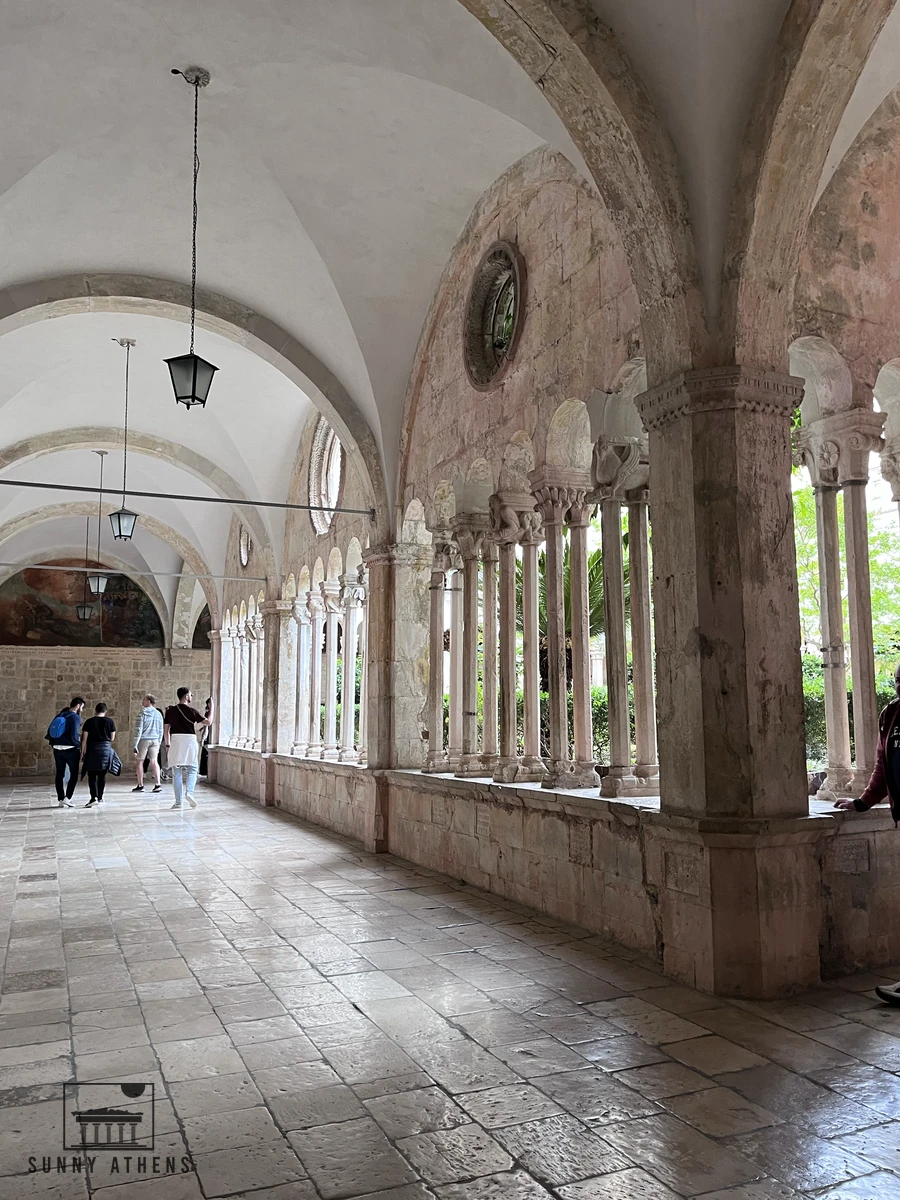
Why: Located directly across from the fountain, this 14th-century complex features a Romanesque cloister framed by double columns and orange trees. Inside, you will also find a pharmacy that has been operating continuously since 1317, making it one of the oldest in the world. The courtyard garden provides a quiet pause right next to the busier main street.
5. Stradun
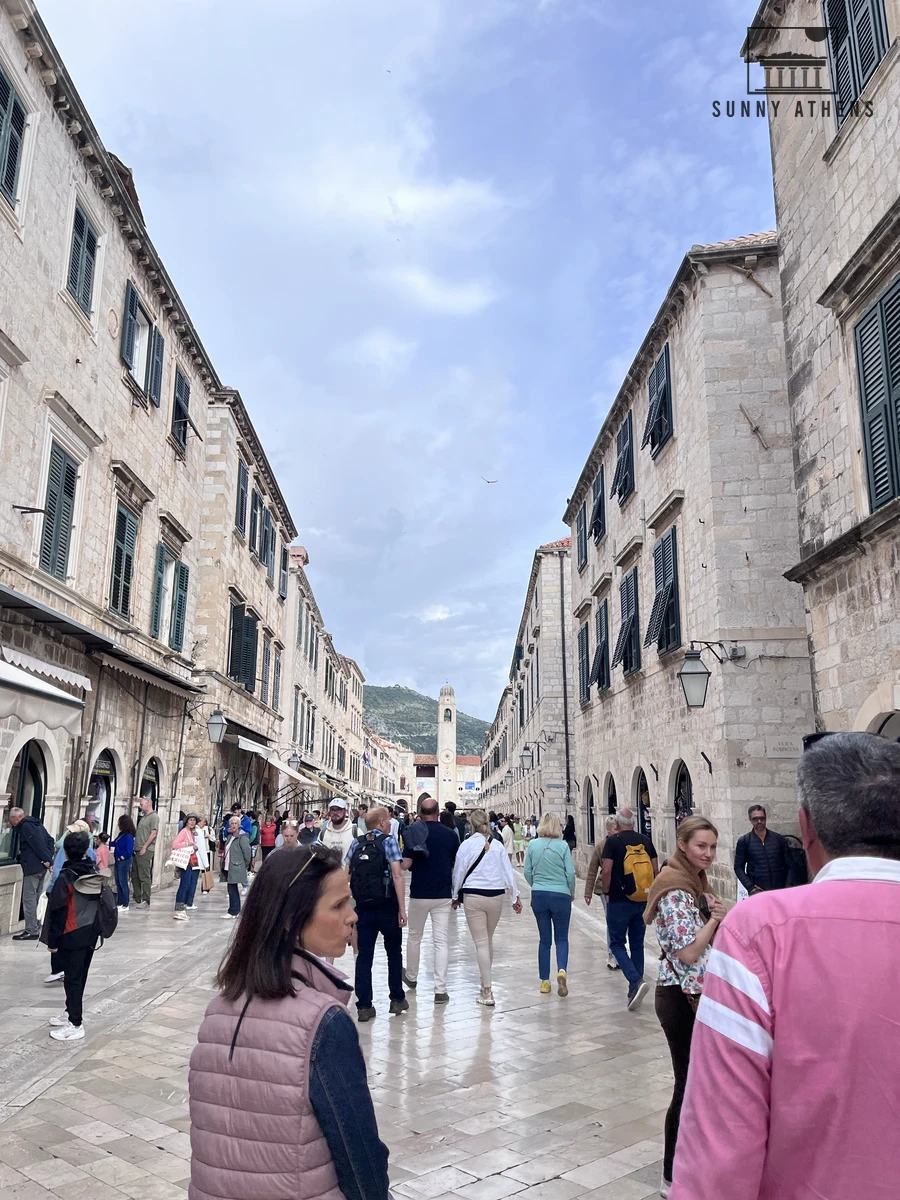
Why: Stradun, officially known as Placa, is the 300-meter-long pedestrian street running from Pile Gate directly to the Old Port. Paved with polished limestone, it has served as the main artery of city life since the 13th century. Take a quick walk along it now on your way to lunch, but make sure to return in the evening when the streetlights turn on and the atmosphere is especially pleasant.
6. Food Bar Guloso
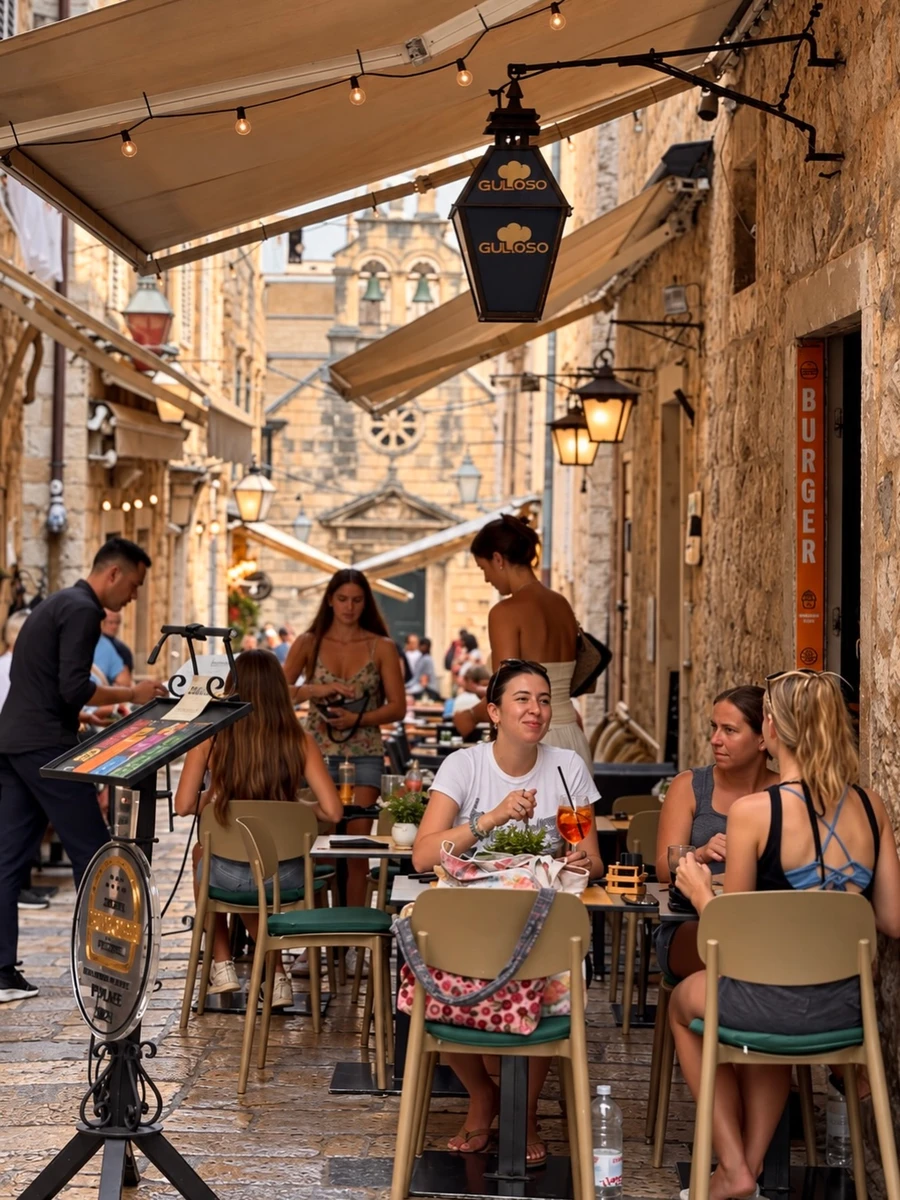
Why: Located up the stone steps of Boskoviceva street off Stradun, Food Bar Guloso is a casual spot that serves burgers and fries. Opening at 12:30, it makes a convenient lunch stop right after your morning walk. I recommend keeping your lunch relatively light here, because you have a great dinner coming up at the Old Port tonight and you will want to save your appetite.
7. Church of St. Ignatius and Jesuit Stairs
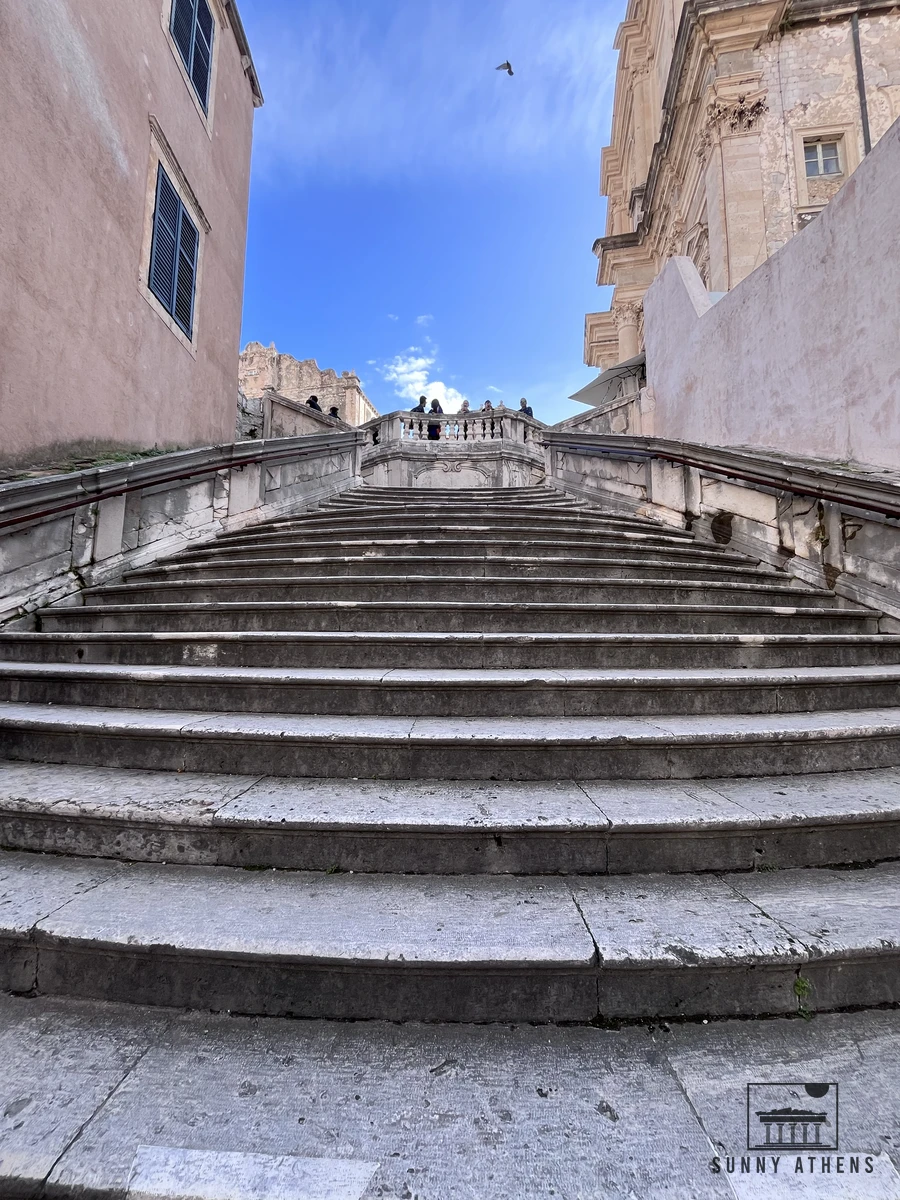
Why: After lunch, your walk continues toward the southern side of the Old Town, where stone stairs designed by Roman architect Pietro Passalacqua lead up to this 1725 Baroque church. The curved staircase was modeled after the Spanish Steps in Rome and later served as the filming location for Cersei Lannister’s walk in Game of Thrones. Inside the church, the high altar features Baroque frescoes depicting the life of Saint Ignatius of Loyola.
Map Church of St. Ignatius & Jesuit Stairs
8. Dubrovnik Cathedral
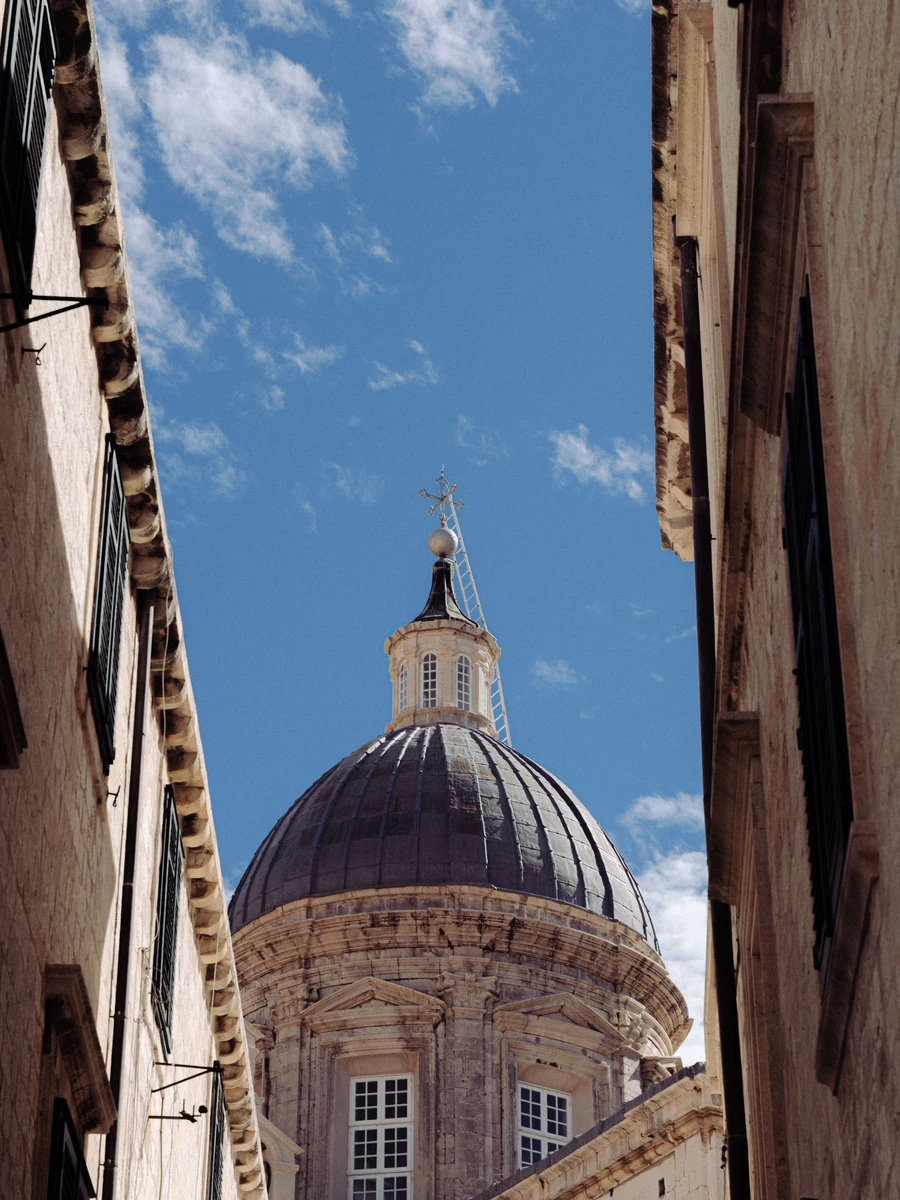
Why: Dedicated to the Assumption of Mary, Dubrovnik’s cathedral is a Baroque church built between 1672 and 1713 over earlier Byzantine and Romanesque foundations. According to local legend, King Richard the Lionheart funded an earlier church on this site after surviving a shipwreck off Lokrum in 1192 while returning from the Third Crusade. Inside, the cathedral treasury preserves historical relics, including the gilded reliquaries of Saint Blaise.
9. Rector’s Palace
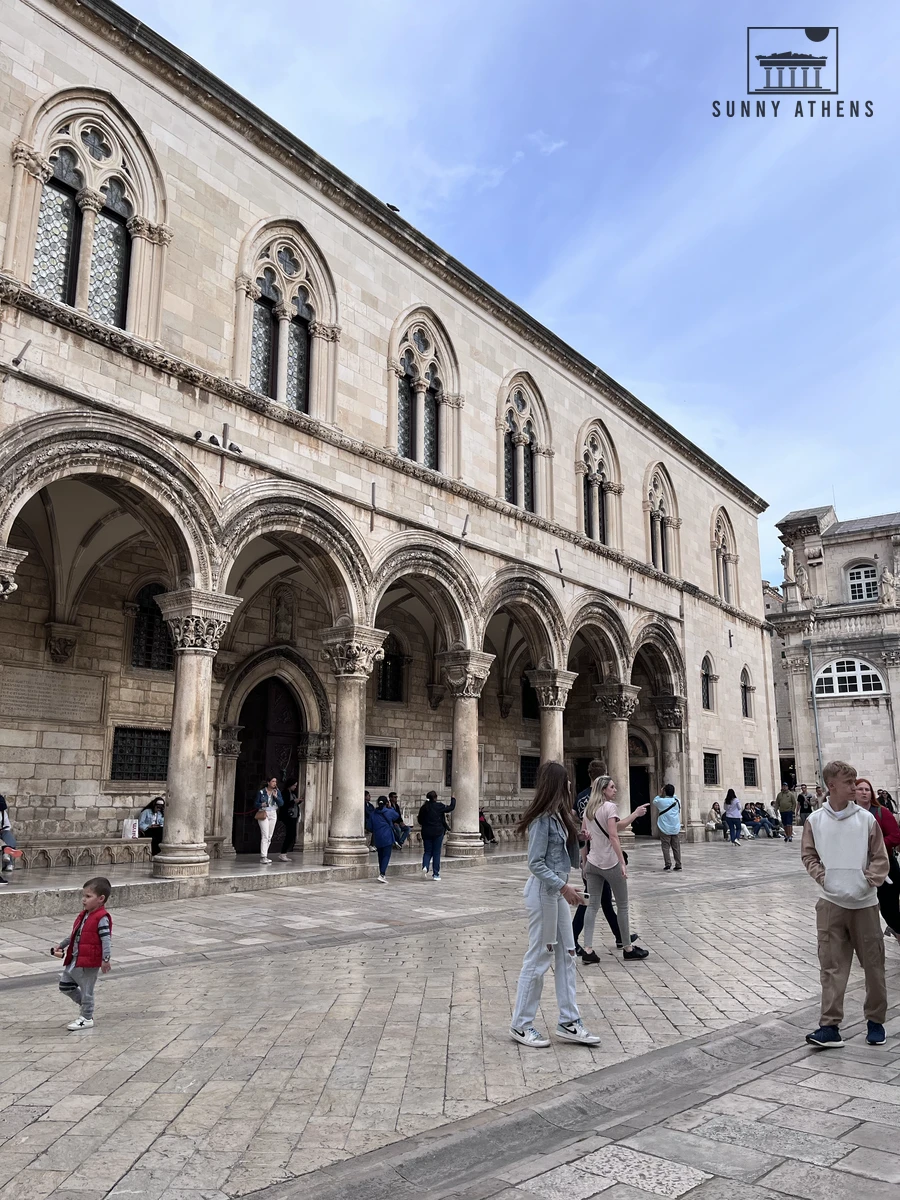
Why: From the 14th century until 1808, this civic palace served as the seat of government and residence of the elected Rector of the Republic of Ragusa. The building mixes Gothic and Renaissance styles, with open stone arches along the front and a central courtyard inside. During his one-month term, the Rector lived inside the palace away from his family, dedicated entirely to state affairs.
10. Church of St. Blaise
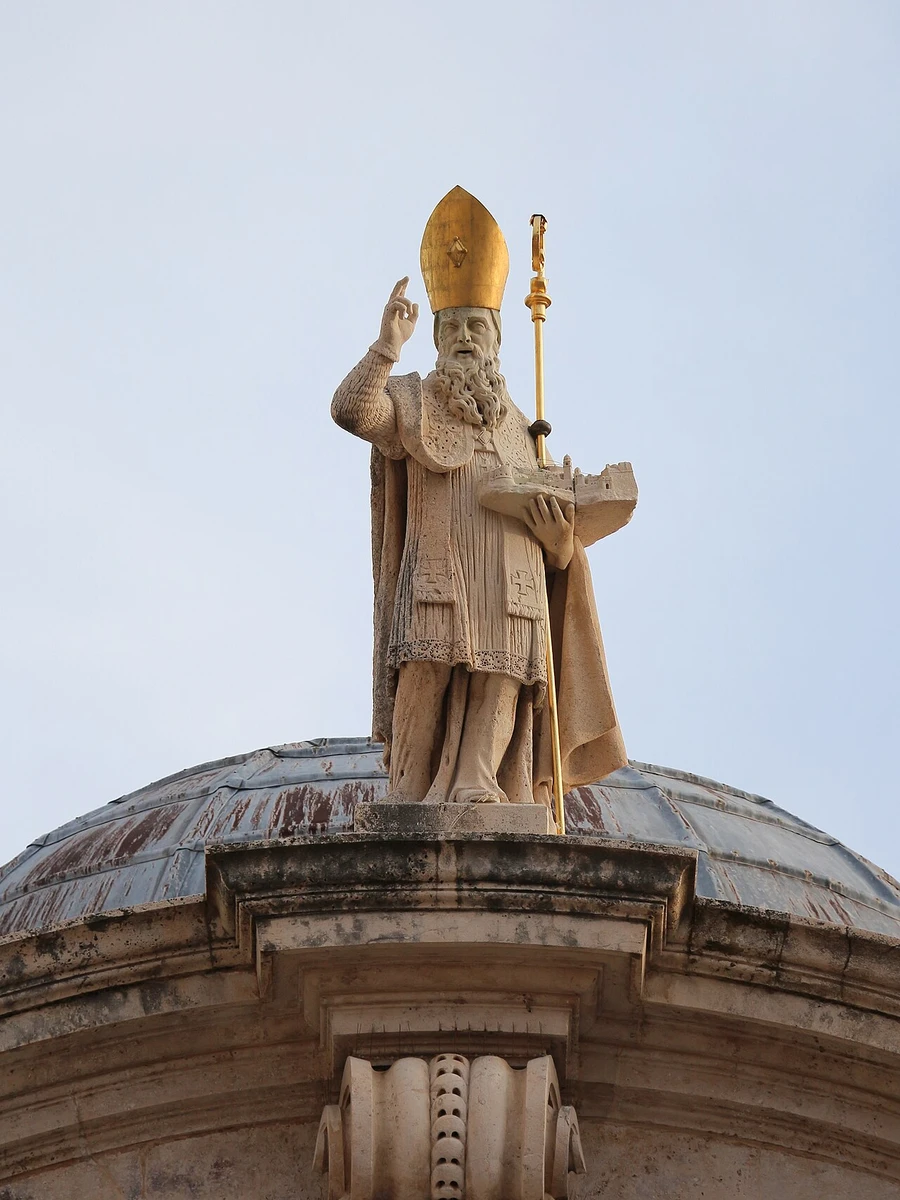
Why: Dedicated to the patron saint of Dubrovnik, this Baroque church was completed in 1715 by Venetian architect Marino Gropelli. Saint Blaise has been honored by locals since the 10th century when he was believed to have warned the city of an incoming Venetian fleet. Inside the church stands a 15th-century silver statue of Saint Blaise holding a scale model of Dubrovnik, showing what the city looked like before the 1667 earthquake destroyed most of it.
11. Sponza Palace
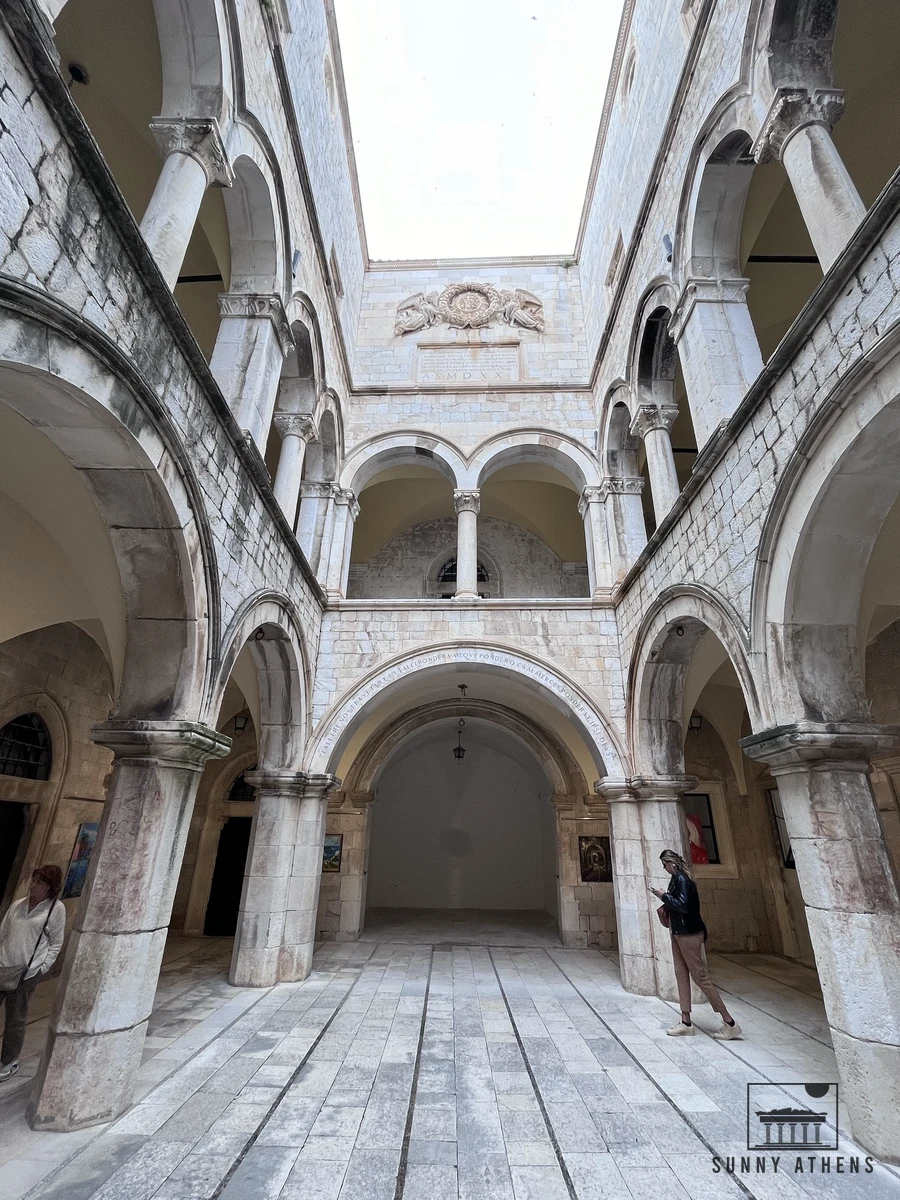
Why: Built in the early 1500s, Sponza Palace is one of the few buildings in Dubrovnik that survived the 1667 earthquake without major damage. It combines Gothic stone arches on the ground floor with Renaissance windows on the upper levels. Originally used as a customs house and mint, the building now preserves the city’s historic archives and trade records.
12. Dominican Monastery

Why: Just a two-minute walk away near Ploce Gate, this 14th-century monastery was built right into the eastern defensive walls. It is well worth stepping inside because the quiet courtyard with its stone well and orange trees offers a calm break from the busy streets. The small museum inside displays historic local paintings, along with a painted 14th-century cross by Paolo Veneziano.
13. Cable Car to Mount Srd
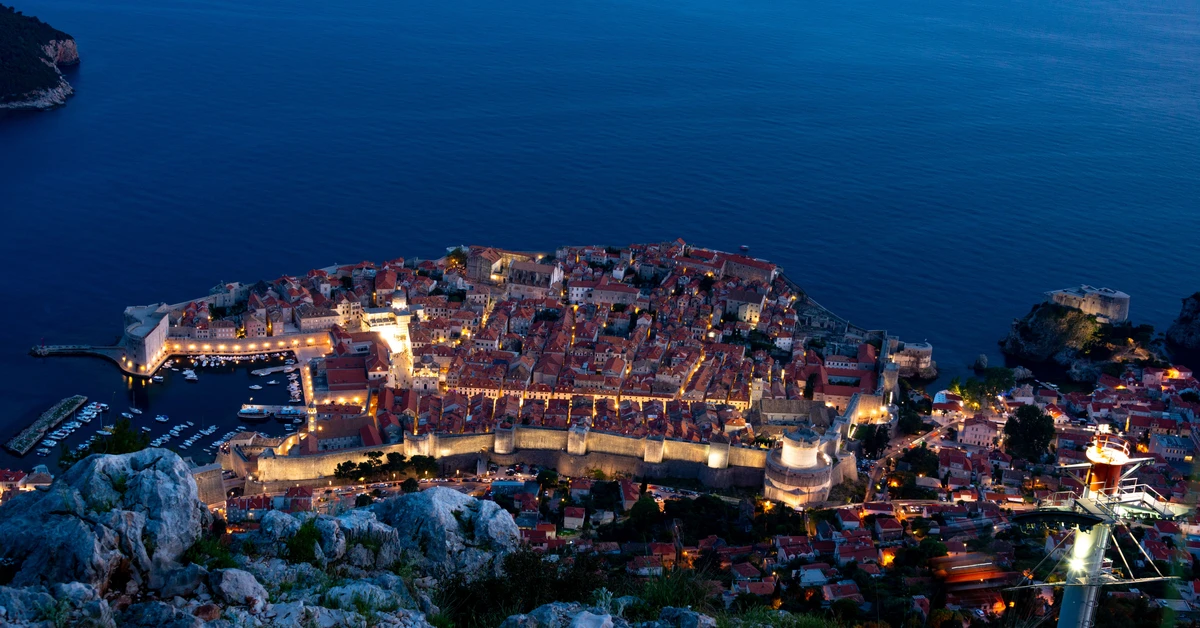
Why: If you finish your walking route early, this is the time to head outside the walls and ride the cable car up Mount Srd for panoramic views over Dubrovnik and the Adriatic. The cable car takes less than four minutes to reach the 412-meter summit from the station just outside the northern walls. Alternatively, you can choose to stay inside the Old Town and enjoy the sunset right by the water at your next stop.
14. Gradska kavana Arsenal Restaurant
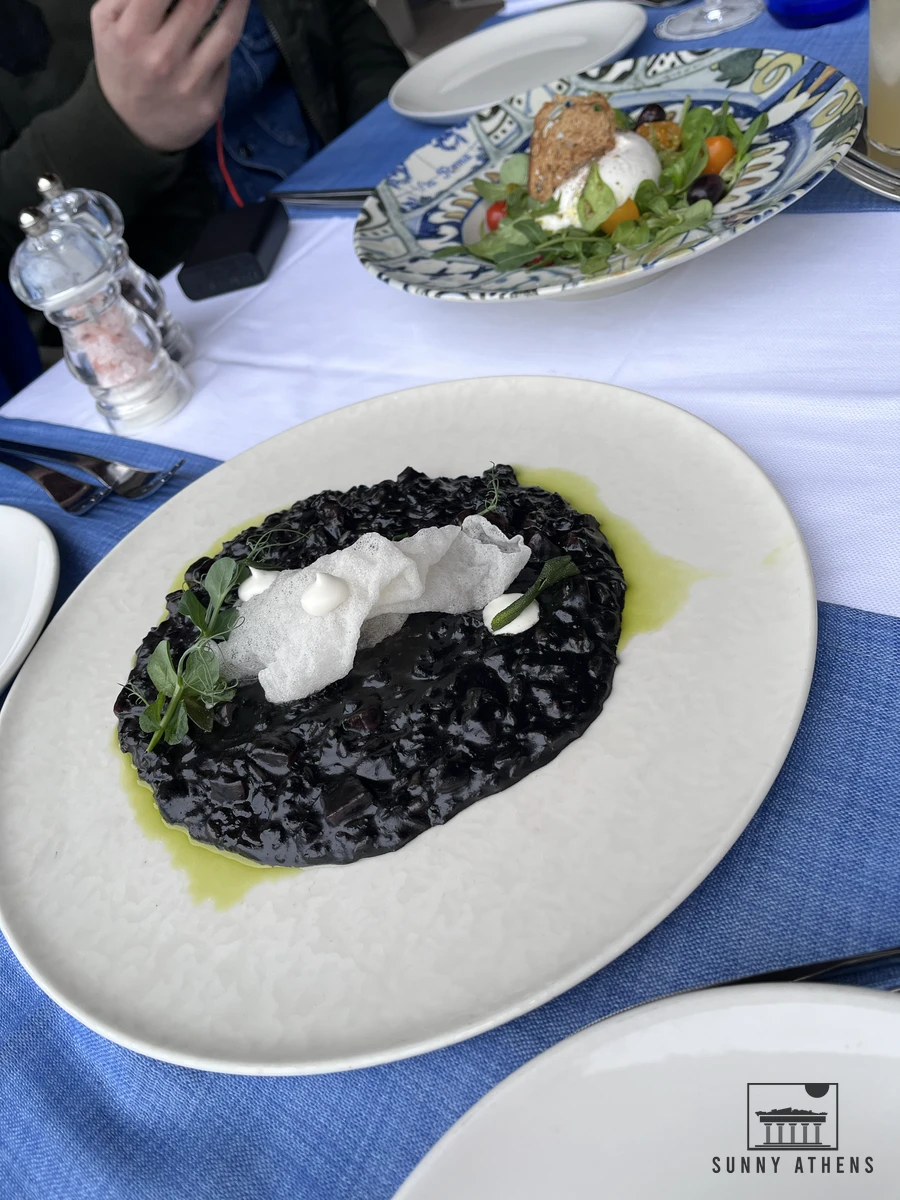
Why: Set under the stone arches of a 13th-century shipyard overlooking the Old Port, this was our favorite meal not only in Dubrovnik, but in Croatia in general. I highly recommend booking a table outside around sunset, when the harbor lights come on over the water. The menu centers on fresh seafood and Dalmatian grilled dishes, and while prices are on the higher side, the harbor view and the quality of the food make it more than worth it.
15. Peppino’s Gelato
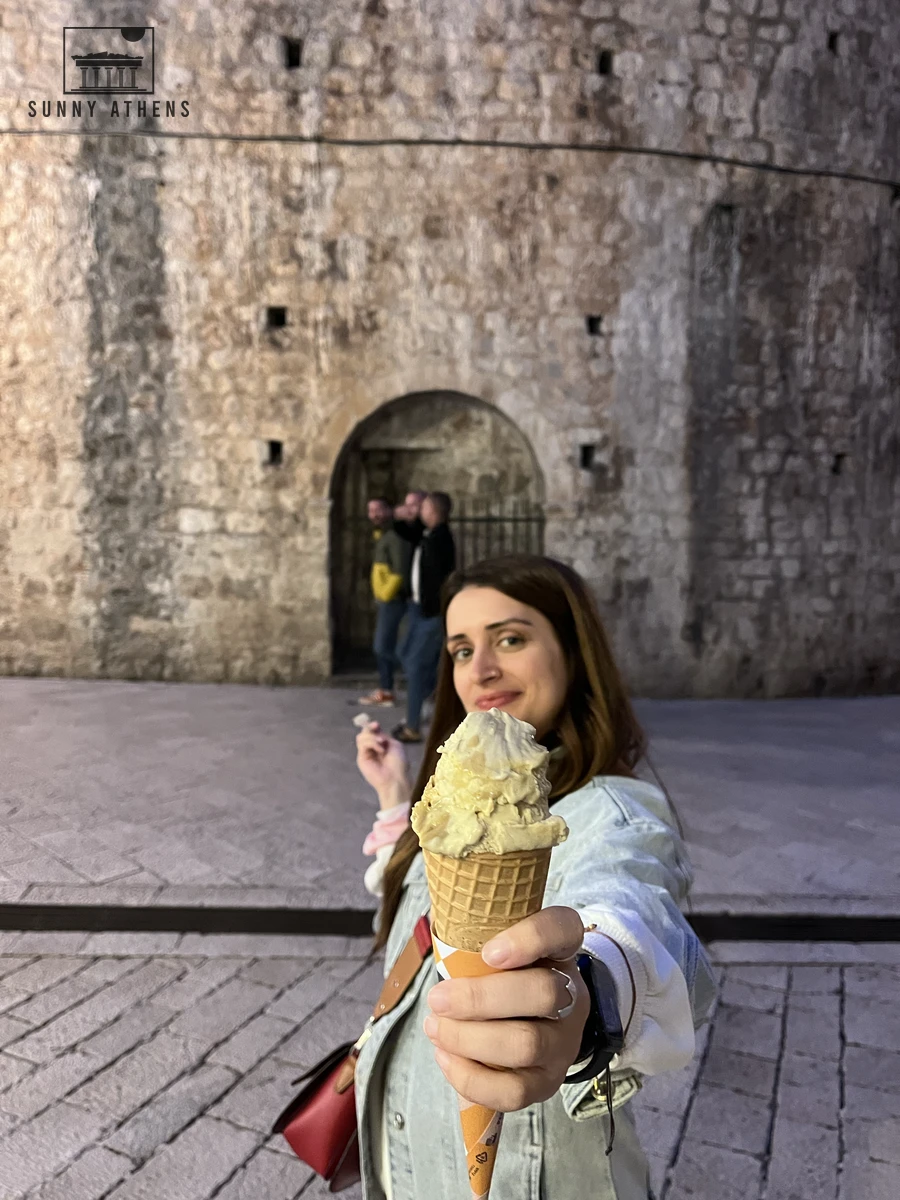
Why: The best way to wrap up your one day in Dubrovnik is with an ice cream in hand from Peppino’s Gelato, located on Ulica od Puca just off the Old Port. Pistachio was our personal favorite, but every flavor Chrysavgi and I tried was great, so you can order whatever catches your eye. Once you have your cone, head back toward Stradun for a nostalgic final walk along the illuminated limestone street.
Practical Tips & FAQs
Is the Dubrovnik Pass worth buying?
Yes, buying the 1-Day Dubrovnik Pass makes practical sense if you plan to walk the City Walls.
A standard ticket for the City Walls costs €35 on its own, which is the exact same price as the 1-Day Dubrovnik Pass.
In addition to the City Walls and Fort Lovrijenac, the pass includes free entry to the Rector’s Palace, the Franciscan Monastery, and several other city museums, plus 24-hour public bus access.
You can purchase the pass online in advance on the official Dubrovnik Pass website and scan the digital QR code on your phone at every entrance.
What is the best time of year to visit Dubrovnik?
The best months for one day in Dubrovnik are May to June and September to October.
During these shoulder months, the weather is warm and pleasant for walking, the sea is comfortable for swimming, and cruise ship crowds are noticeably smaller.
Chrysavgi and I visited in early May, and the timing was great, with comfortable temperatures for walking and very manageable crowds.
July and August bring intense midday heat and peak tourist crowds, so if you visit in midsummer, start your wall walk as early as possible in the morning.
How do you get around Dubrovnik?
Inside the Old Town walls, vehicles are not allowed, so walking is the only way to get around.
Be prepared for stone steps and uneven ground, so comfortable walking shoes are essential.
If you are staying outside the center, local Libertas buses run frequently to Pile Gate, and Uber is readily available.
Final Thoughts
Dubrovnik is a rewarding destination, and one organized day is enough to explore its main historical sights.
Walking the picturesque streets and having dinner by the Old Port were the highlights of our stop here.
For Chrysavgi and me, it was a great start to our road trip before continuing north through the country.
If you are planning the rest of your trip, make sure to read my guide to one day in Split, with guides to Plitvice Lakes and Zagreb coming soon.
In the meantime, if you are planning other short city breaks, take a look at my walking guides to Wroclaw in one day and Rome in 3 days.
And if you are passing through Greece next, make sure to explore my home city with Athens in 1 day.
Plan Your Trip
Stay: Stay: Booking.com (24/7 support, easy booking)
Airport: Welcome Pickups (pre-booked, reliable airport transfers)
Drive: Discovercars (compare prices, free cancellation)
Connect: Airalo eSIM (cheap data)
Do: GetYourGuide (unique tours & activities)
Fly: Skyscanner (find the cheapest flights)
Explore: GuruWalk (free walking tours worldwide)
Protect: SafetyWing (affordable travel insurance)
Sunny Athens is reader-supported. Some links on this page may be affiliate links, meaning we may earn a small commission at no extra cost to you, if you make a purchase. This helps support our work and keeps our travel tips honest and independent. Learn more in Advertise Disclosure.


