
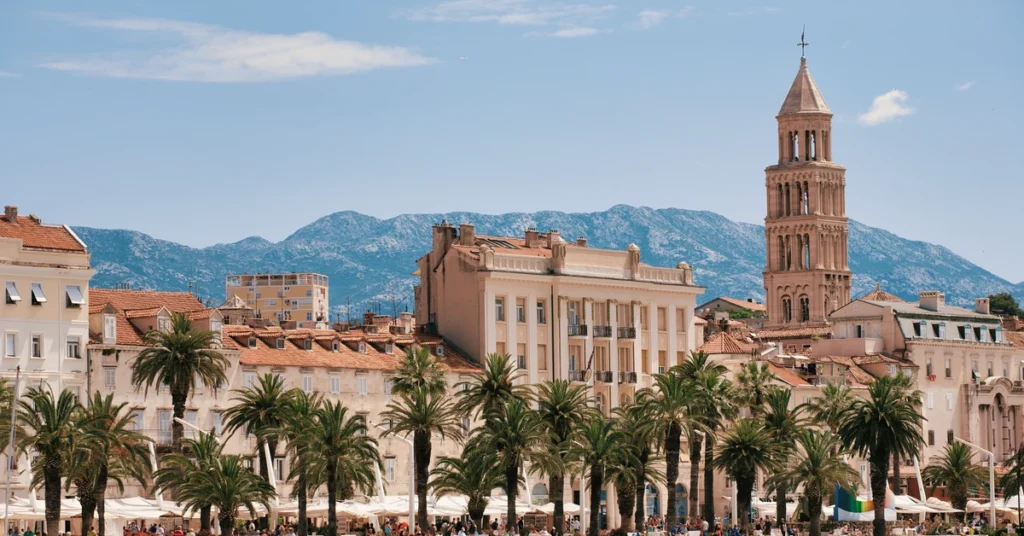
Here is how to make the most of one day in Split, featuring a walking route through Diocletian’s Palace, Old Town highlights, scenic viewpoints, and direct Google Maps pins.
Split was the second stop on our road trip across Croatia, right after our time in the south.
After walking along the stone walls during our one day in Dubrovnik, Chrysavgi and I drove north along the coast to visit Croatia’s second-largest city.
Unlike many historic cities where ancient ruins are closed off as museums, Split is different because people still live, work, and drink coffee directly inside a 1.700-year-old Roman fortress.
Most of the city’s daily life centers around Diocletian’s Palace, where you will spend most of your time walking through open stone courtyards, lively squares, and narrow alleys.
This guide outlines the route we followed, starting with morning coffee and a walking tour before exploring the Roman ruins, Marjan Hill, and local food spots.
Are 1–2 Days Enough in Split?

For most travelers, one day in Split is enough time to see the main sights.
The historic core of Diocletian’s Palace and the neighboring Old Town are compact and completely closed to cars.
In one full day, you can walk through the ancient gates, visit the cathedral, walk along the Riva, head up Marjan Hill for a great view over the city, and enjoy dinner by the palace steps.
If you have a second day, you can use Split as a base to join a day trip to the waterfalls of Krka National Park with wine tasting or take an island boat tour out to the Blue Cave, Vis, and Hvar.
For our road trip, one full day gave us plenty of time to see the city before driving north toward Plitvice Lakes and Zagreb.
Where to Stay for One Day in Split?
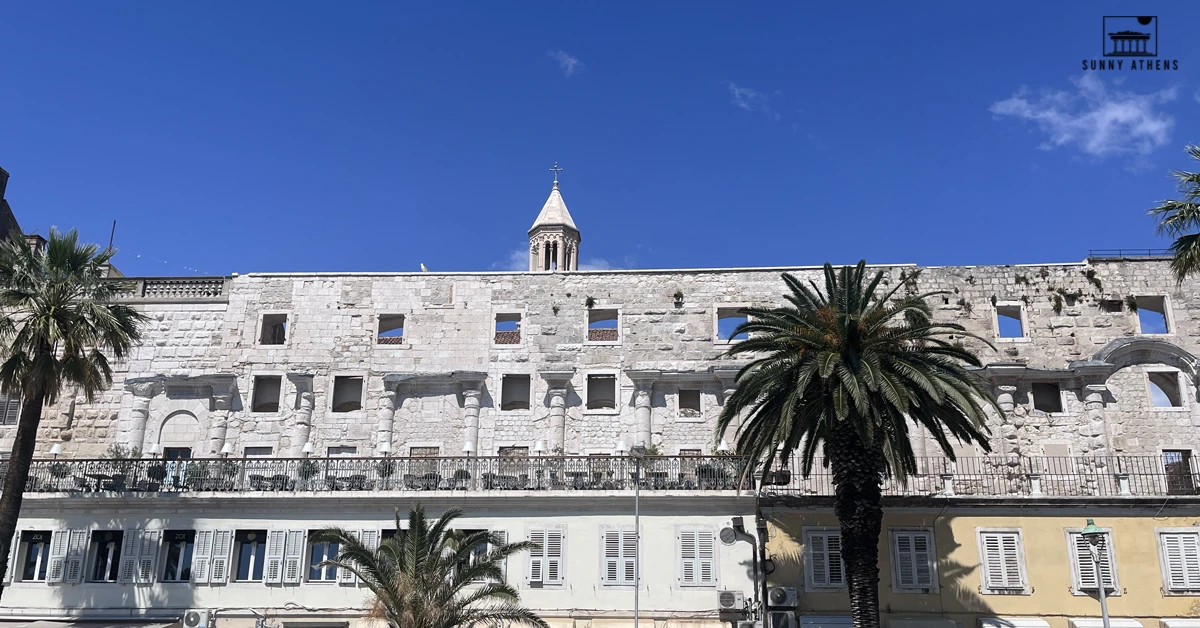
When planning where to stay for one day in Split, I recommend staying as close to the historic center as possible.
Because you will spend your entire day walking between Diocletian’s Palace, the Old Town, and the Riva, staying nearby saves you from dealing with local buses or parking.
Staying inside the palace walls gives you a unique historic atmosphere, but keep in mind that cars cannot enter and you will have to carry your luggage through stone alleys and up stairs.
If you are traveling on a budget, En Route Hostel is a clean, modern option located about a 15-minute walk from the Golden Gate and close to Bacvice Beach.
For a comfortable mid-priced stay right in the heart of the action, Central Square Heritage Hotel is set directly on People’s Square (Pjaca) just steps from Diocletian’s Palace, offering stylish rooms and easy walking access everywhere.
If you prefer upscale lodging with modern amenities, Cornaro Hotel is located just outside the palace walls near the Golden Gate, offering rooftop views, a wellness area, and convenient valet parking.
How to Get There?
We drove to Split directly from Dubrovnik as part of our coastal road trip.
The drive takes under three hours along the scenic D8 coastal road and the A1 highway, covering around 230 kilometers.
The Peljesac Bridge connects the Dubrovnik area directly with the mainland, so you no longer need to pass through border checks in Bosnia and Herzegovina.
If you are planning a similar trip across Croatia, you can check rental cars with Discovercars to pick up a car at Dubrovnik Airport and drop it off in Split or Zagreb.
If you are traveling without a car, regular buses run between Dubrovnik and Split throughout the day, arriving at the bus station right by the harbor.
During the warmer months, passenger catamarans also run daily between Dubrovnik and Split, stopping at several islands along the way.
If you are flying in, Split Airport (SPU) is located 25 kilometers west of the center, with regular shuttle buses running directly to the main bus station.
One Day in Split Walking Itinerary
I put together this walking route to connect Split’s main sights in a logical order without unnecessary back-and-forth walking.
Starting just north of the old center with specialty coffee and a bite to eat gives you a relaxed start before joining a morning walking tour.
From there, the route takes you along the Riva promenade and into a local tavern for lunch, followed by an afternoon walk up Marjan Hill for great views over the sea.
You will spend the rest of the afternoon exploring the ruins of Diocletian’s Palace, finishing with takeaway pizza on the stone steps and a drink at a cocktail bar.
The recommended route for your day in Split
1. kava2 Specialty Coffee Shop
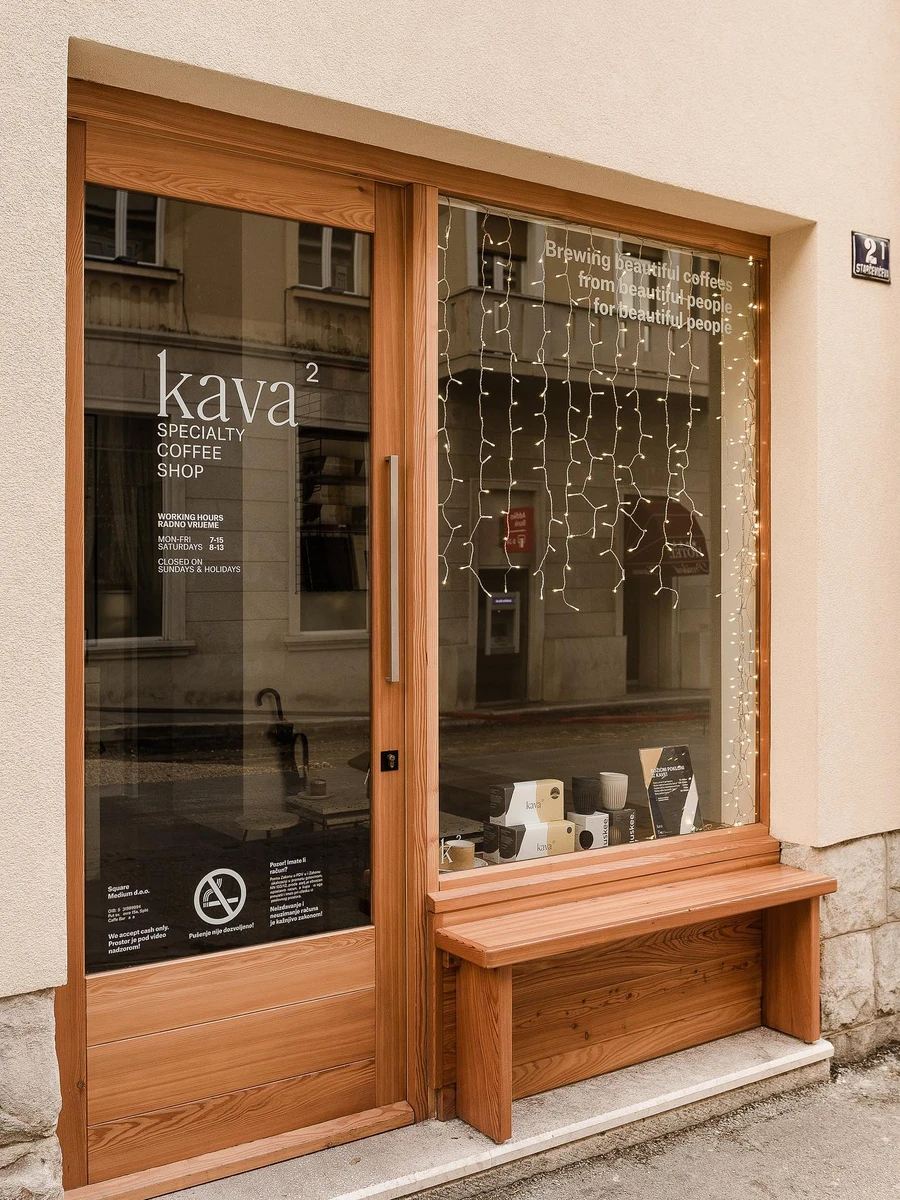
Why: Located a short walk north of the Old Town on Ante Starcevica, kava2 makes the best coffee in Split. They roast their own beans in-house and make great flat whites, cold brews, and filter coffee. I recommend grabbing your coffee to go so you can enjoy it on your way to the next stop.
2. Os Kolac Cakes and Pastries
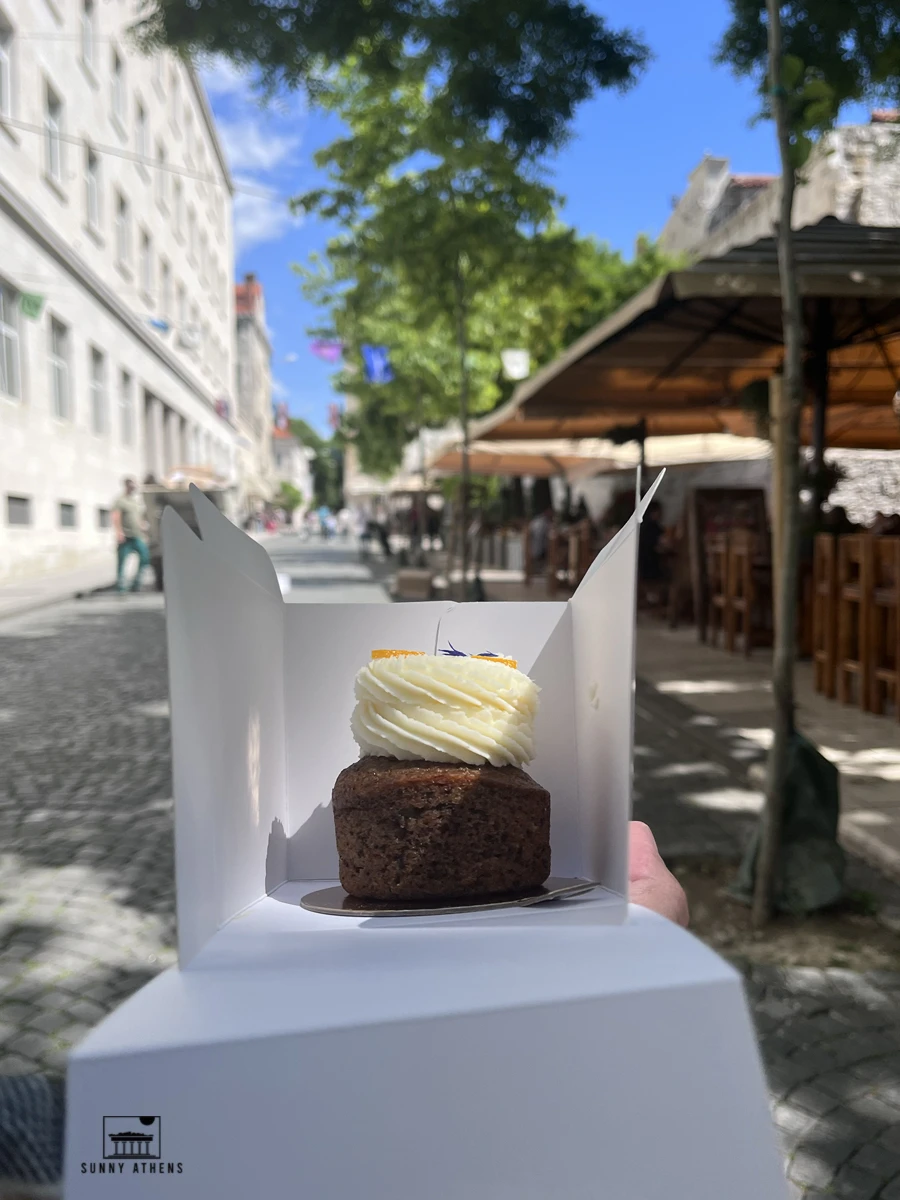
Why: Just a short walk down the road from kava2, this pastry shop was opened by pastry chef Tea Mamut, who trained in New York before returning to Split. Os Kolac made the most delicious cakes and pastries we tried in Split, combining traditional local ingredients with modern baking techniques. I highly recommend trying their spiced carrot cake topped with silky cream frosting and citrus zest, or the caramel almond tart dusted with sliced almonds, which were both outstanding.
3. Diocletian’s Palace and Old Town Free Walking Tour
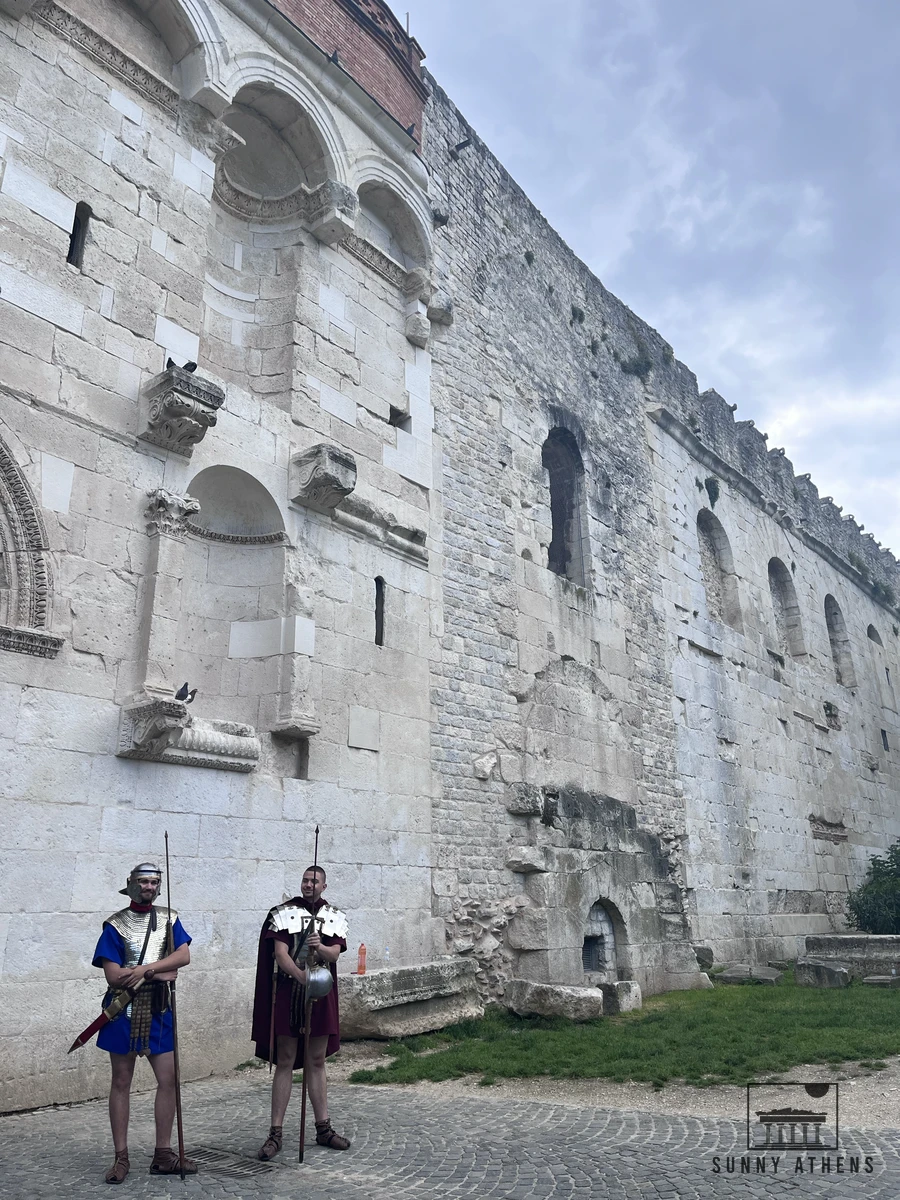
Why: Joining a morning free walking tour is a great way to understand Split before exploring on your own, and I recommend booking this historical walking tour with a local guide. Lasting about 75 to 90 minutes, it takes you through Diocletian’s Palace and nearby squares while explaining how the Roman emperor’s residence became everyday Split. Booking is free with no upfront payment, meaning you take the tour and simply leave whatever tip you think is fair at the end.
4. Split Riva
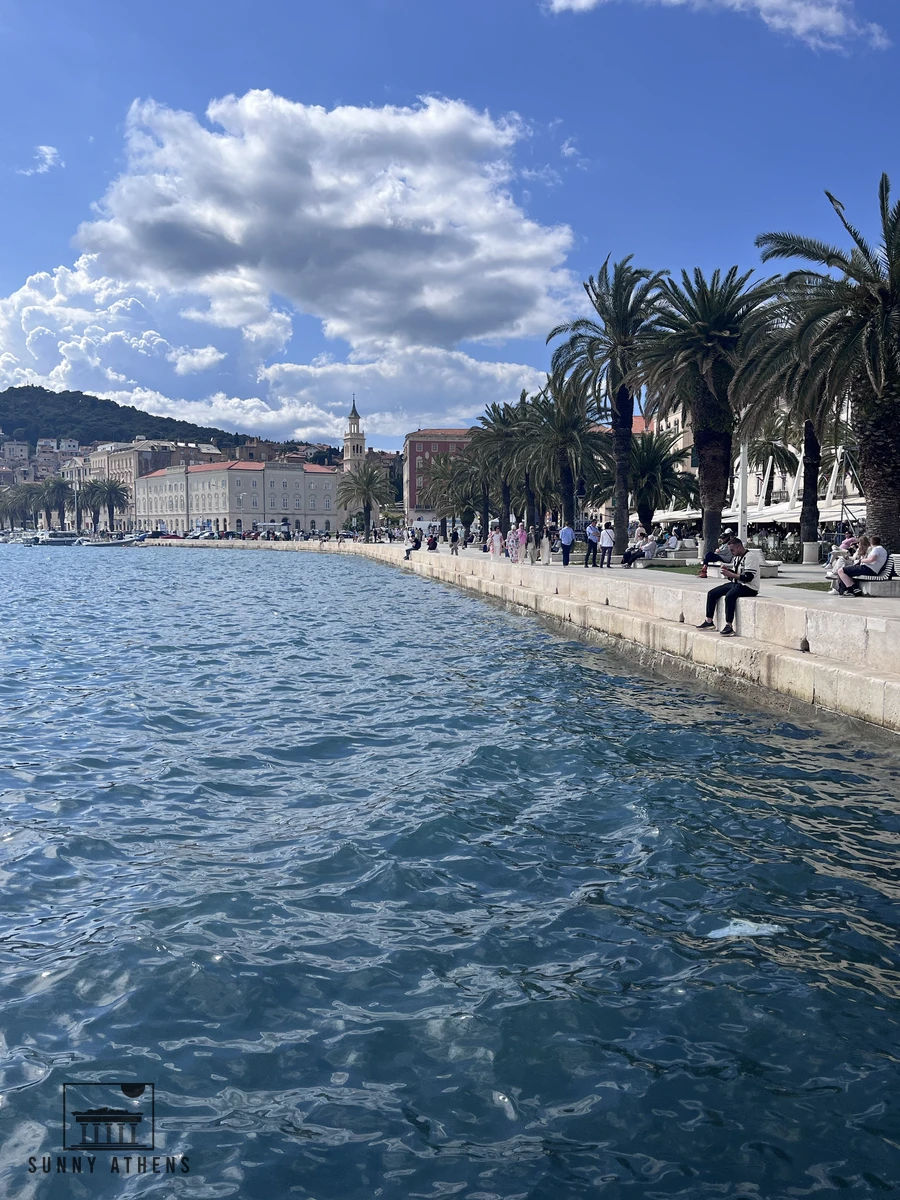
Why: After your walking tour finishes, head straight down to Split’s waterfront promenade. Running along the south side of the palace walls, the Riva is lined with palm trees, outdoor cafe tables, and stands looking out over the harbor. It is where locals come to walk and meet friends, making it a pleasant spot to walk along the water and watch the boats.
5. Villa Spiza
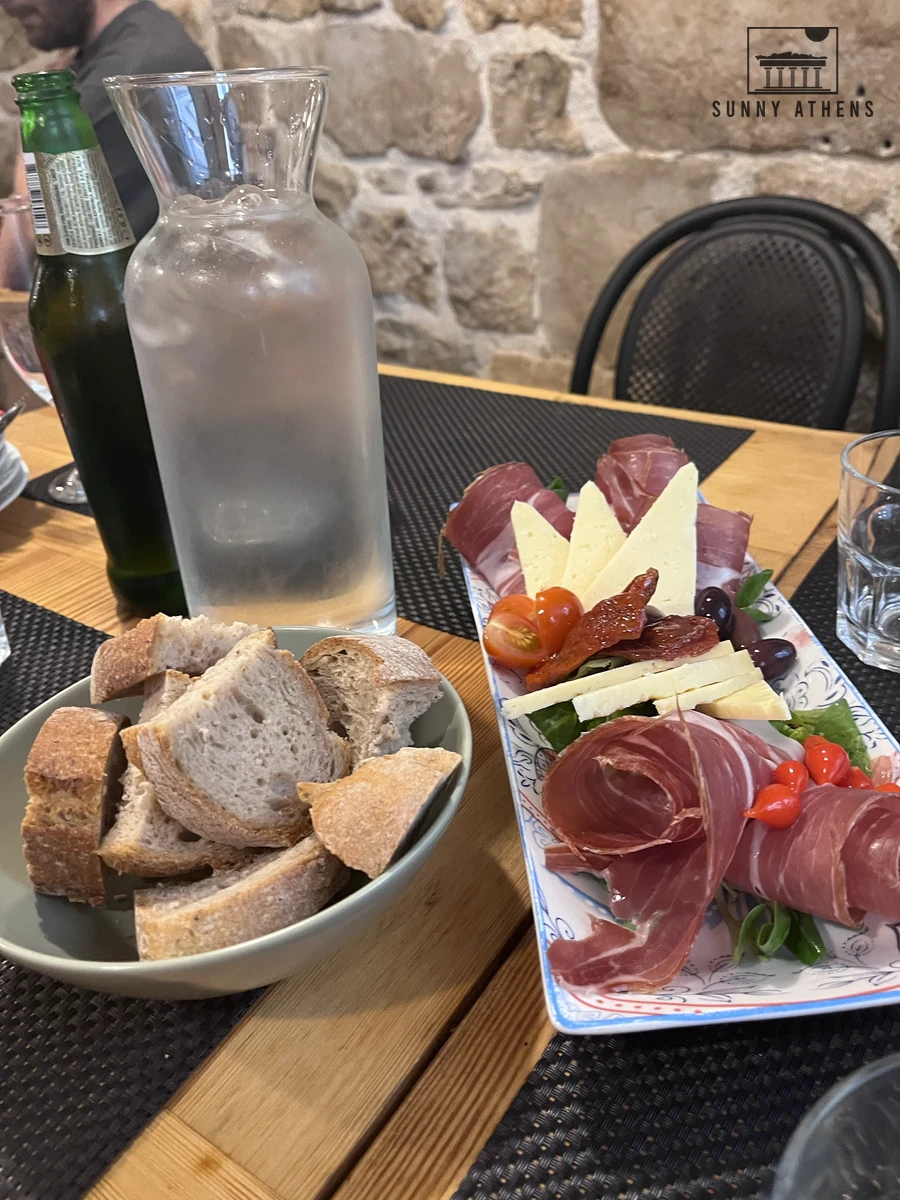
Why: At Villa Spiza, the menu is written on a chalkboard every morning based on whatever fresh fish, meat, and seasonal vegetables they find at the nearby market that day. Located in an alley near People’s Square, it focuses on simple, traditional Dalmatian food. Because the menu changes daily and seating is limited to just a few tables, I recommend arriving right at opening time to grab a spot without waiting.
6. Marjan Hill
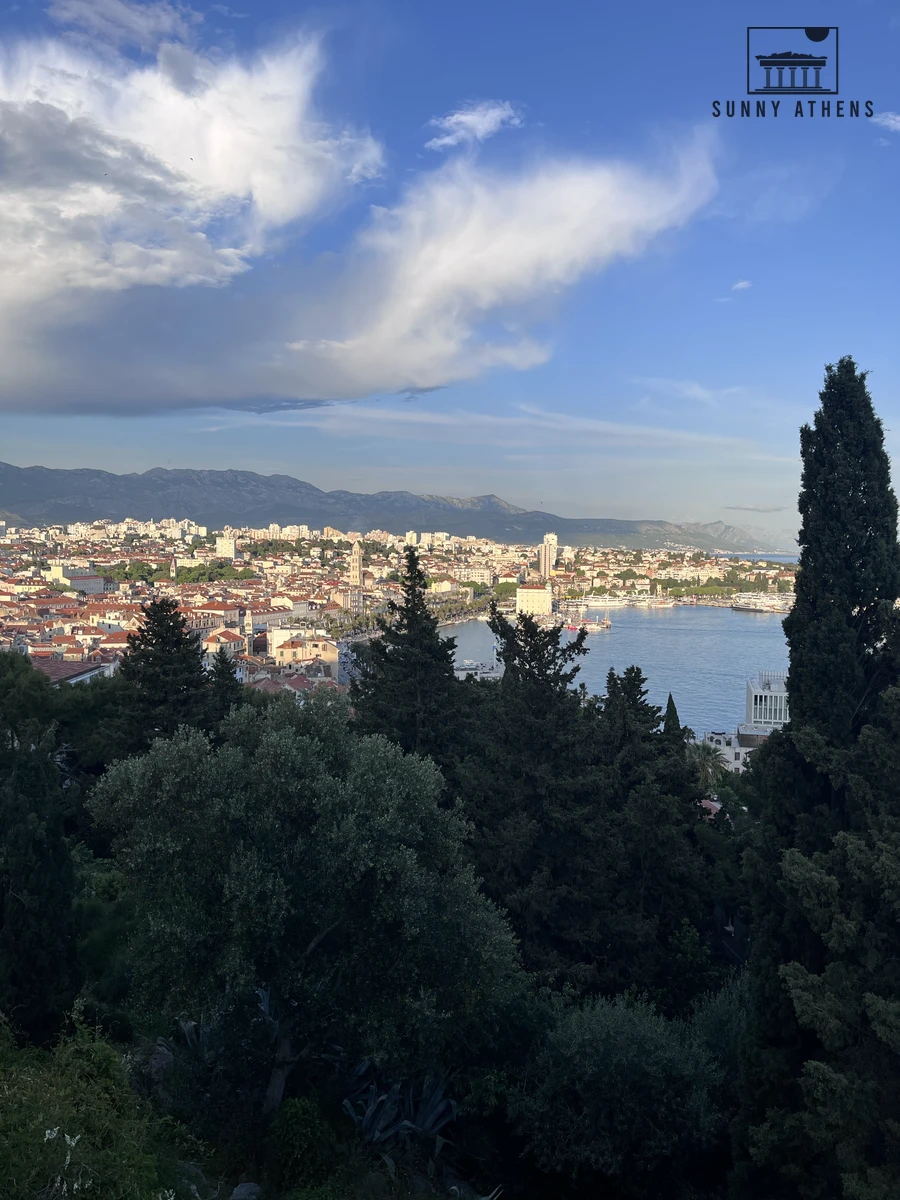
Why: After lunch, heading up Marjan Hill is a great way to walk off your meal and enjoy some great views. A set of stone stairs leading up from the old Varos neighborhood brings you to the first viewpoint, Vidilica, looking out over the red rooftops and the port. If you keep walking up to the flag pole at the top, you get a wide view across the entire city, the sea, and the nearby islands.
7. Marjan Forest Park
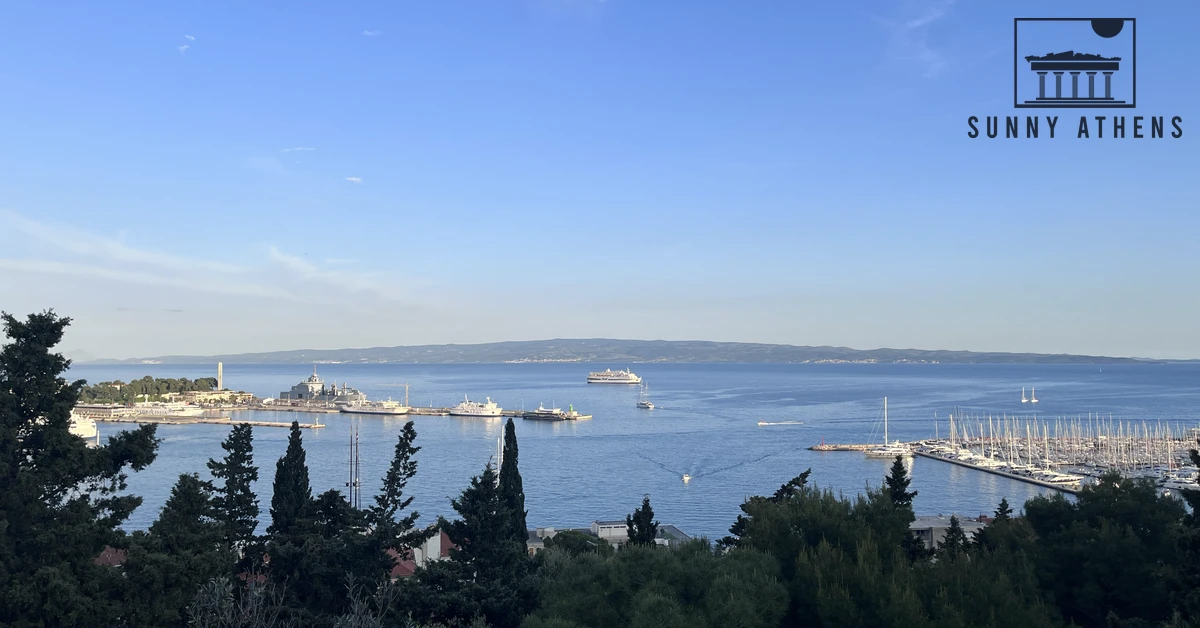
Why: Often called the green lungs of Split, this large pine forest covers the hill with quiet walking paths and views of the coast. If you want to keep moving, a loop through the park leads past old stone chapels built into the rocks and quiet spots by the water. If you prefer a more relaxed pace, you can walk straight back down into town to take a closer look at what you liked during your morning walking tour.
8. Diocletian’s Palace
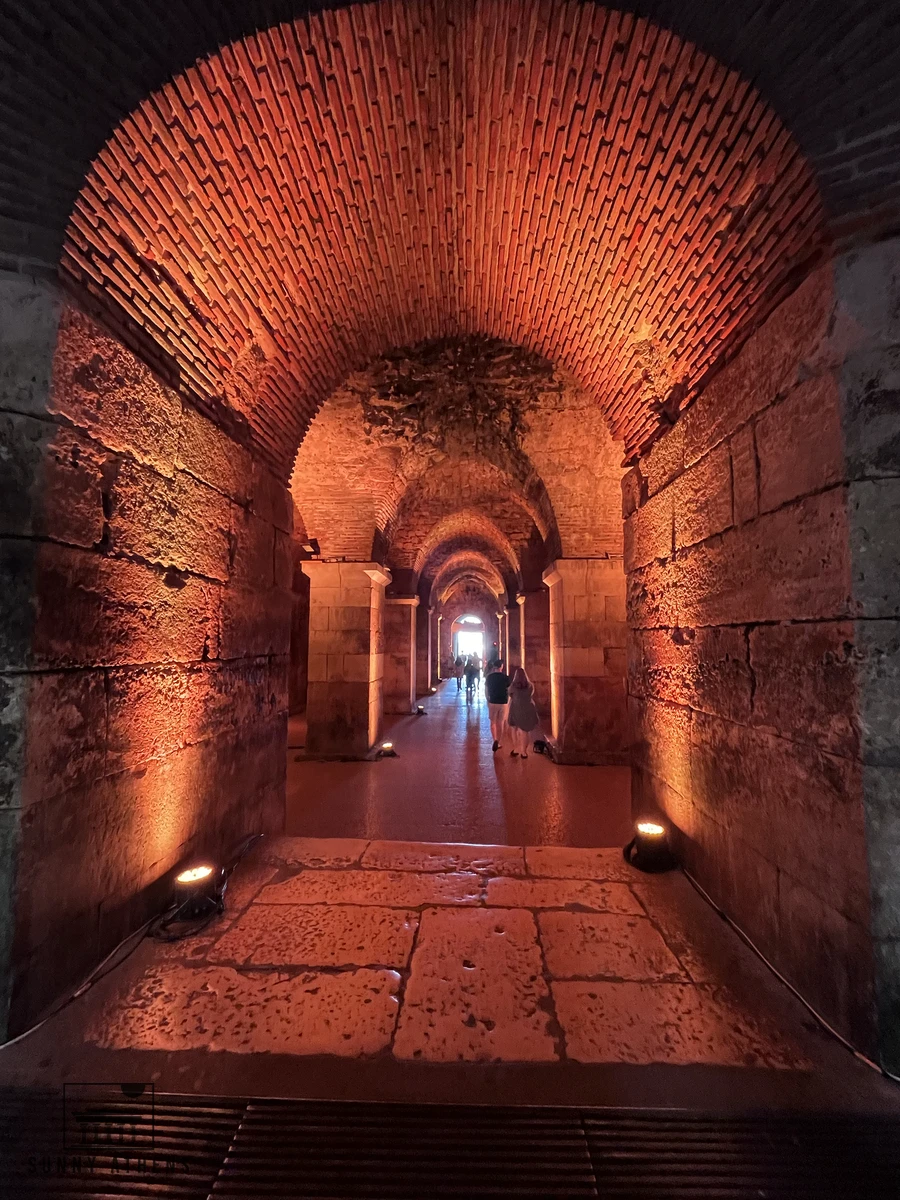
Why: Taking up about half of Split’s old center, Diocletian’s Palace was built around AD 305 by the Roman emperor as his retirement home. It is not a single building or a closed museum, but a large complex of Roman stone walls, arches, and courtyards that turned into a normal neighborhood over time. Around 3.000 people still live and work inside today, which makes it feel like a living piece of history rather than an empty ruin.
9. Gates of Split
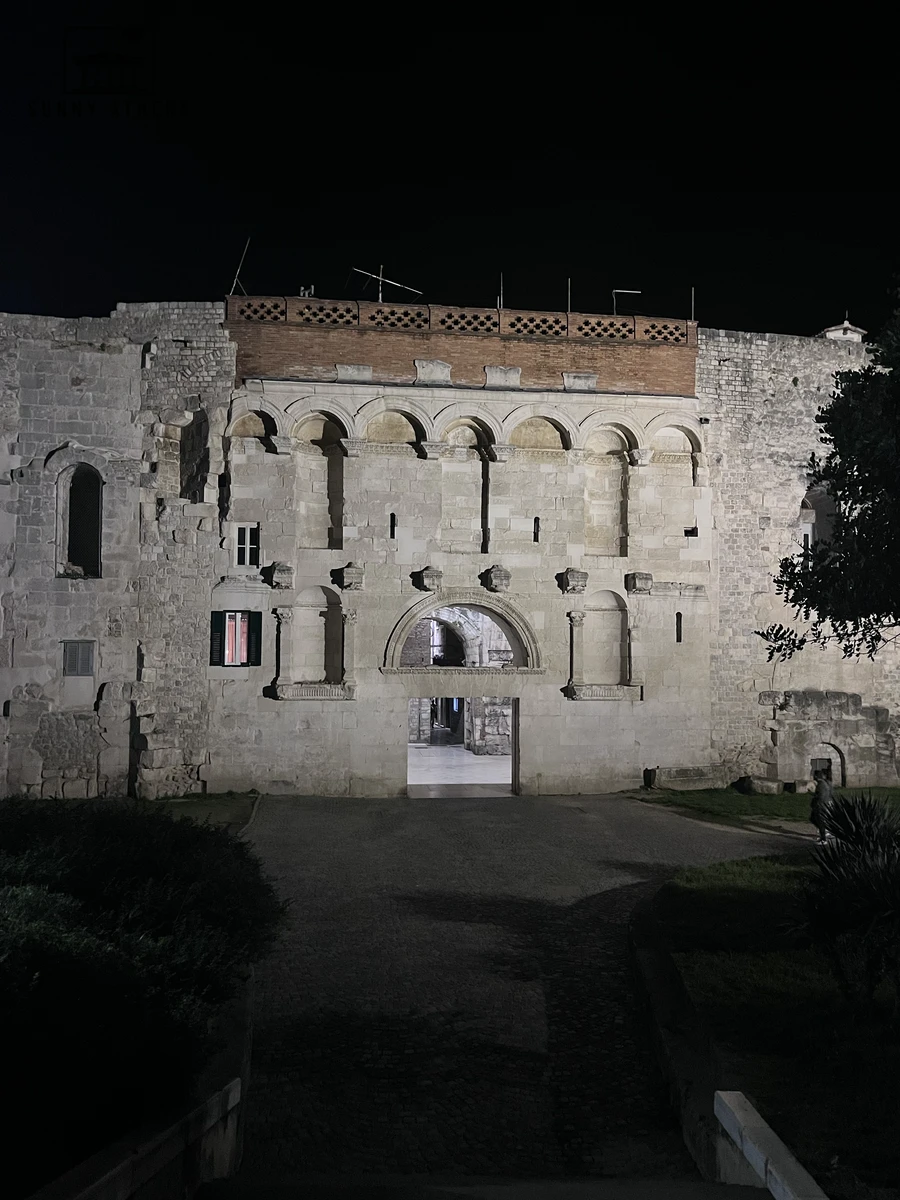
Why: The palace was built with four main gates on each of its sides: the Golden Gate on the north, the Bronze Gate on the south, the Silver Gate on the east, and the Iron Gate on the west. Because the palace is an open part of the city, you can walk through these gates at any time of day. Just outside the Golden Gate, you will see the tall bronze statue of Gregory of Nin, where people line up to rub his shiny big toe for good luck.
10. Saint Domnius Cathedral
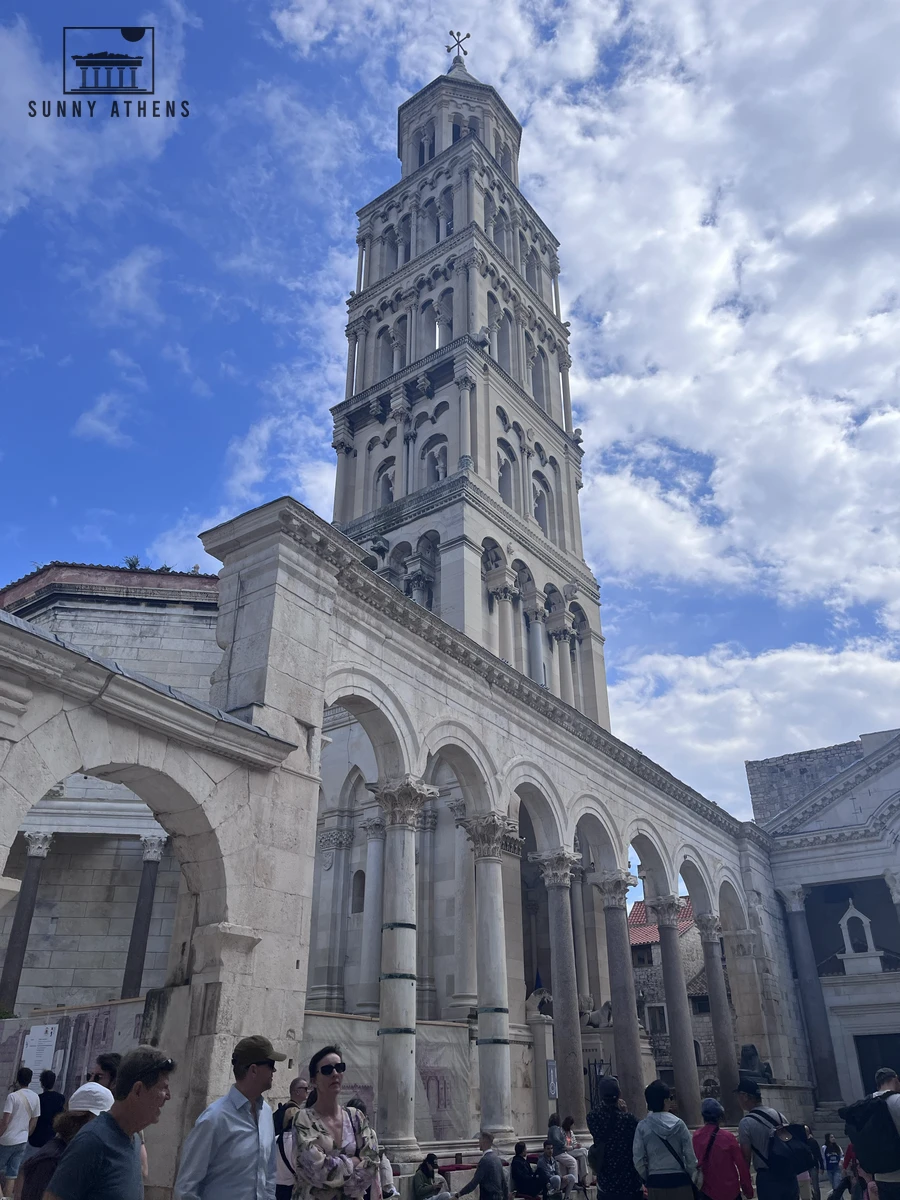
Why: Turned into a church around the 7th century, the Cathedral of Saint Domnius is considered the oldest Catholic cathedral in the world still using its original structure. The building was originally built in AD 305 as Diocletian’s personal mausoleum, before later generations made it into a cathedral dedicated to a bishop the emperor had executed. Inside, you can still see the original Roman stone columns and 13th-century carved wooden entrance doors.
11. Saint Domnius Bell Tower
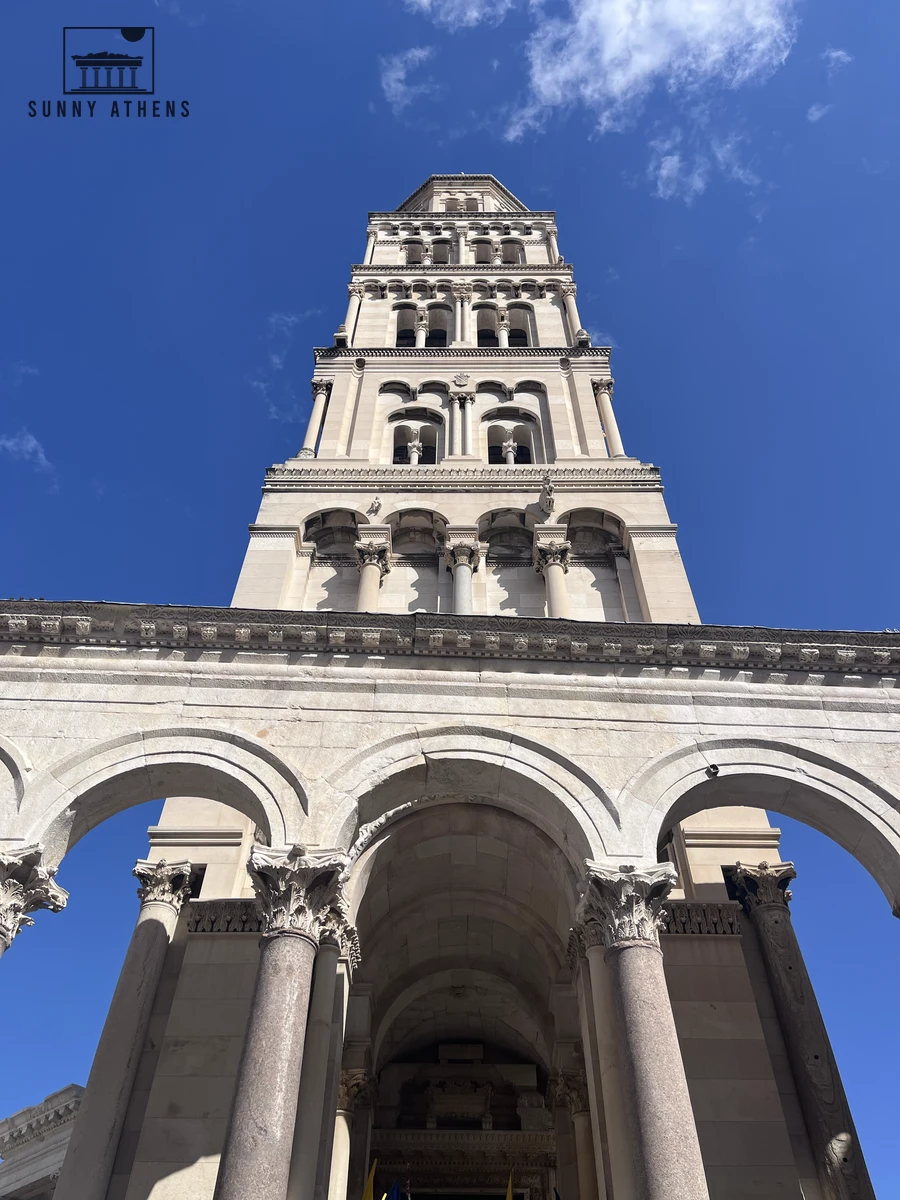
Why: Standing 57 meters tall right next to the cathedral, this Romanesque bell tower is one of the most recognizable landmarks in Split. Built between the 12th and 16th centuries, it has open stone arches and stairs leading up to the top. If you already walked up Marjan Hill earlier, you have already enjoyed panoramic views of the city, but climbing the bell tower gives you a different perspective looking straight down over the palace rooftops and the Peristyle.
12. Jupiter’s Temple
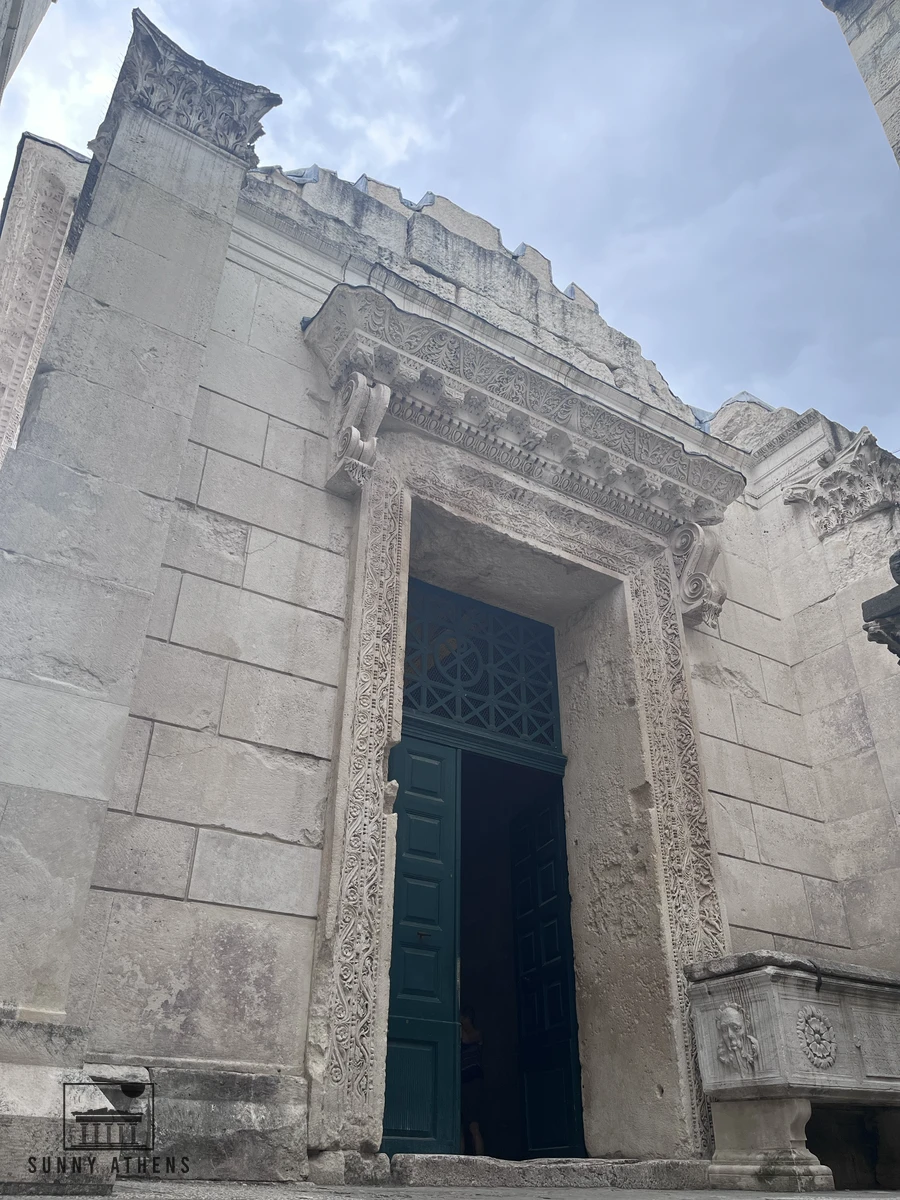
Why: Located down a narrow stone passage just west of the Peristyle, this small Roman temple was built around AD 300 for the god Jupiter. In the Middle Ages, it was turned into a baptistery, which helped preserve its arched stone ceiling over the centuries. Right outside the door sits a black granite sphinx without a head, which Diocletian brought from Egypt over 1.700 years ago.
13. The Peristyle
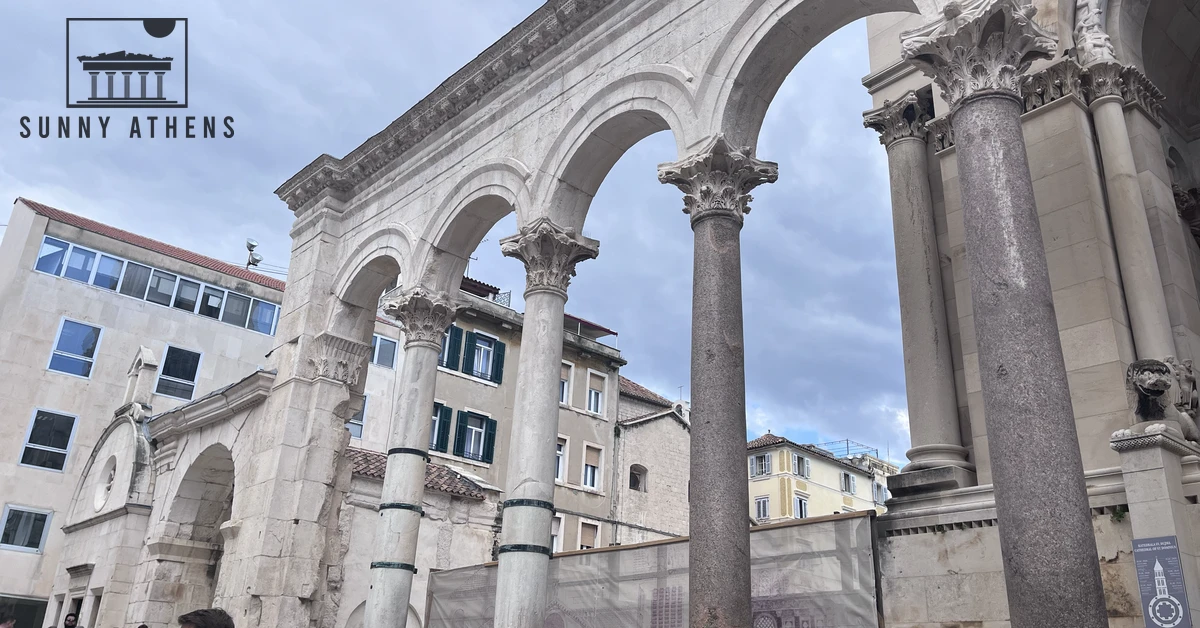
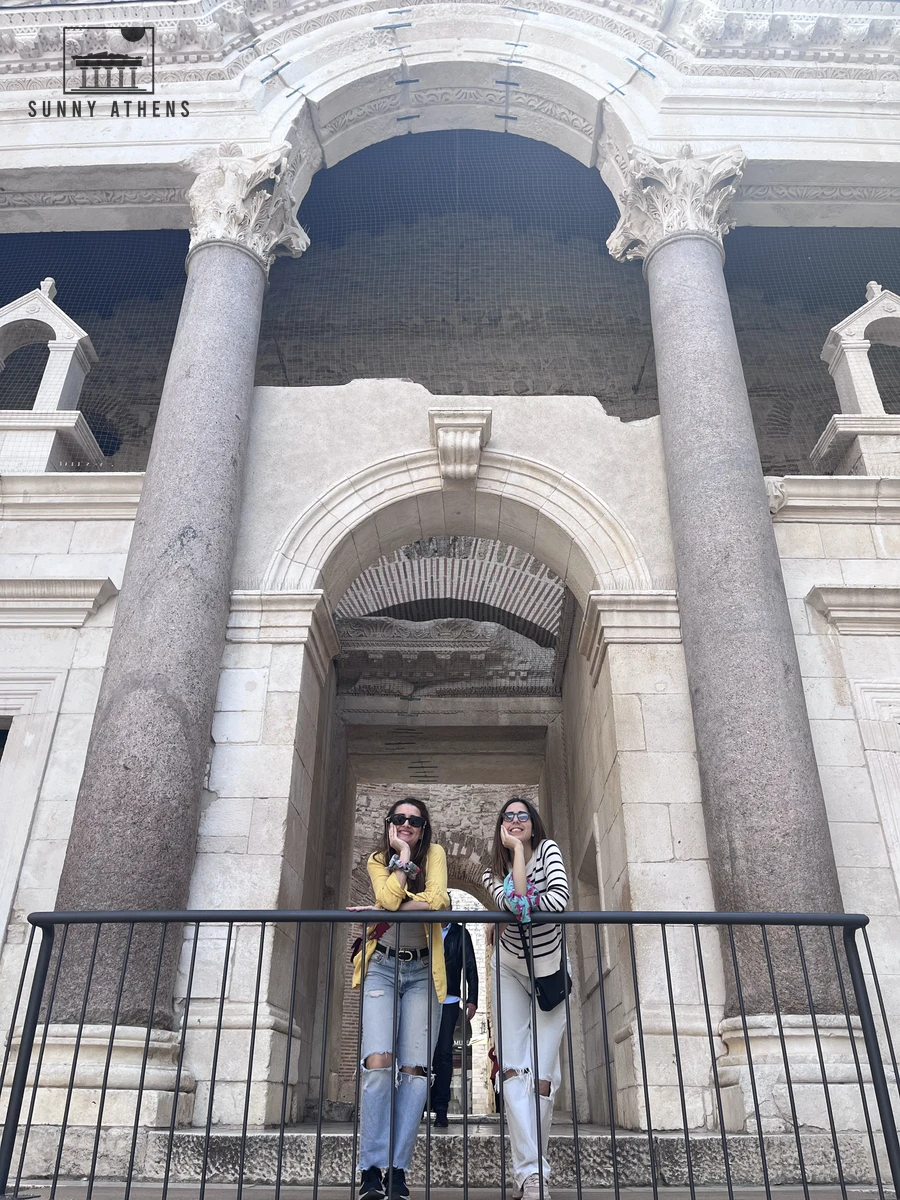
Why: The Peristyle is the central open courtyard of the palace, lined with stone arches and columns. In Roman times, the emperor would come out onto the balcony here to greet people gathered below. Today, it is the liveliest spot in the palace, where people sit directly on the stone steps to listen to musicians play in the evening and watch people pass by.
14. Vestibule and Upper Terrace
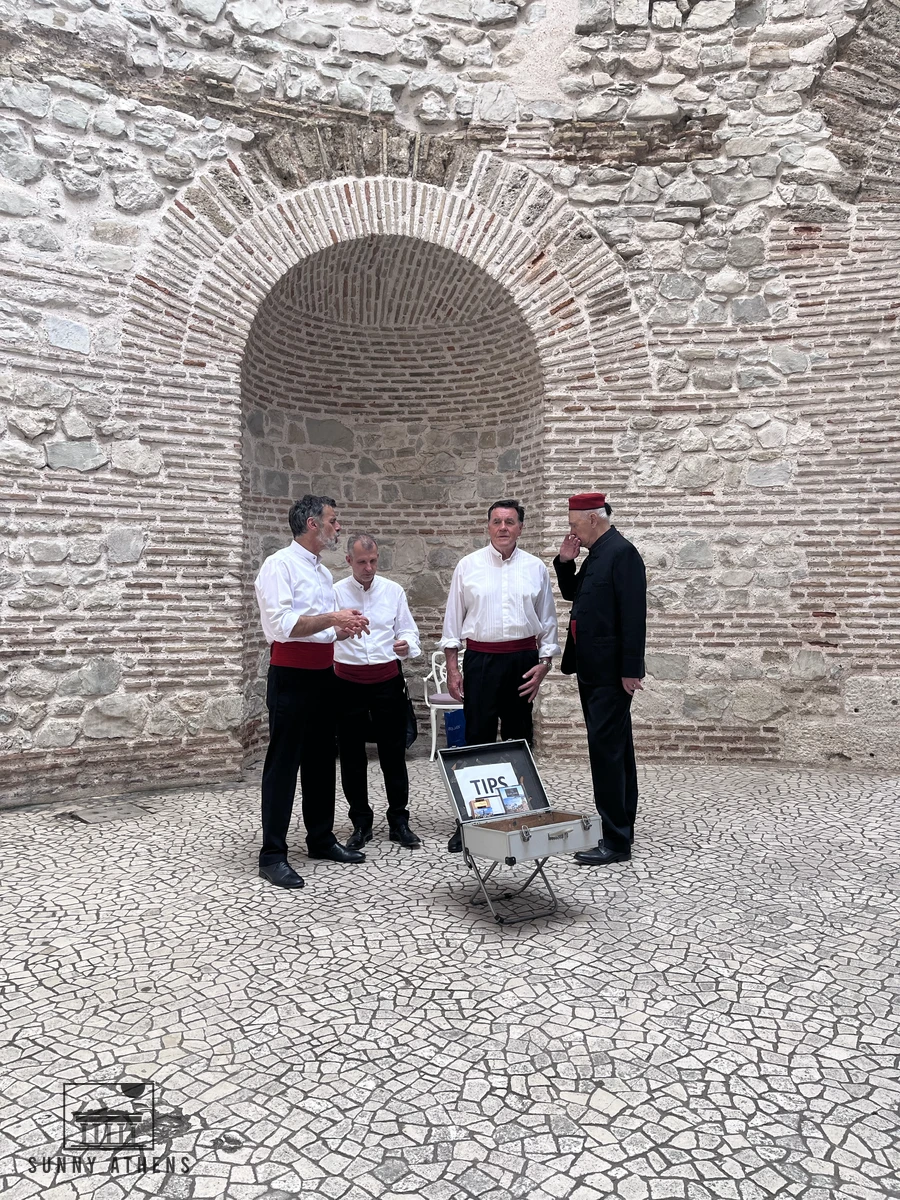
Why: Right next to the Peristyle, the Vestibule was the grand circular entrance hall that led to the emperor’s private rooms. Its brick dome fell in centuries ago, leaving a large round opening to the sky with great natural acoustics where local singers often perform. For a small entry fee, you can walk up to the upper terrace to look out over the stone roofs and chimneys of the palace.
15. People’s Square
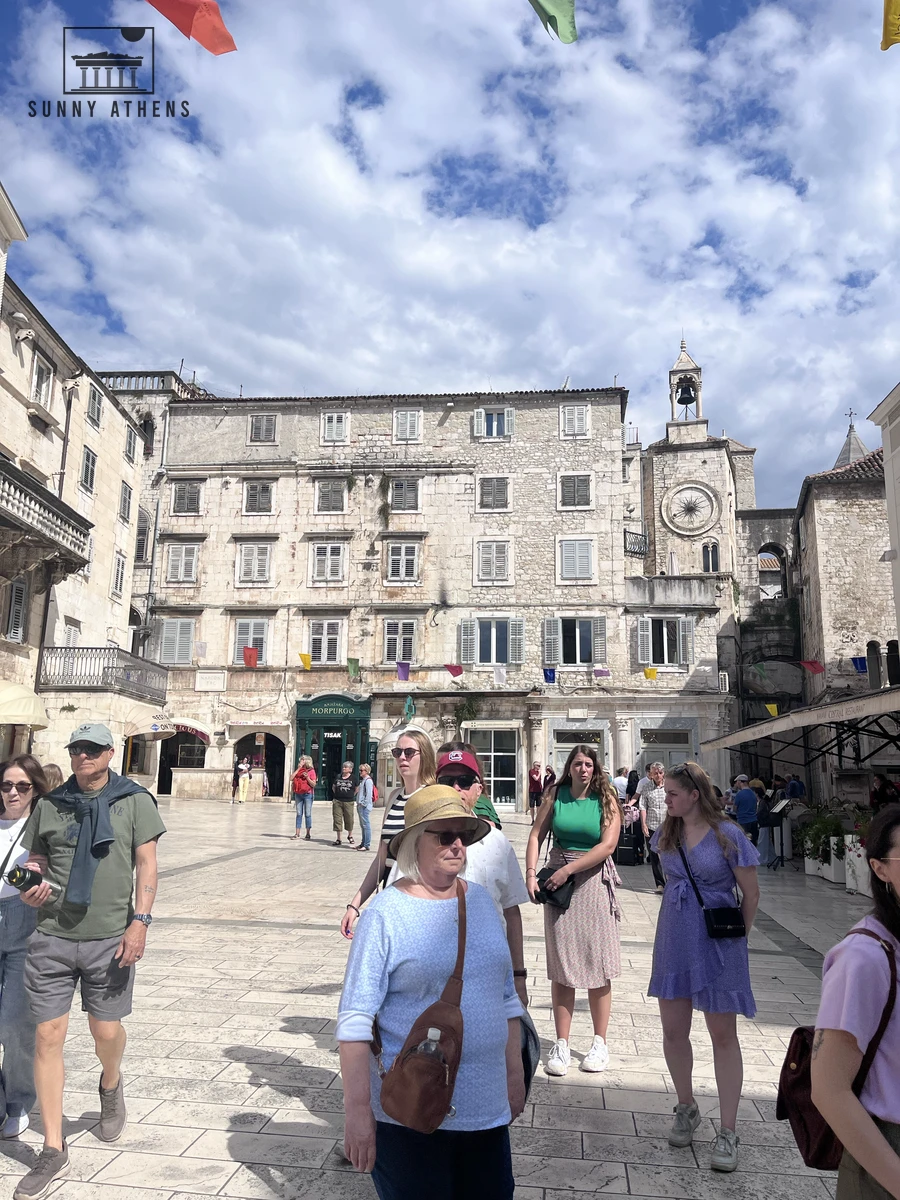
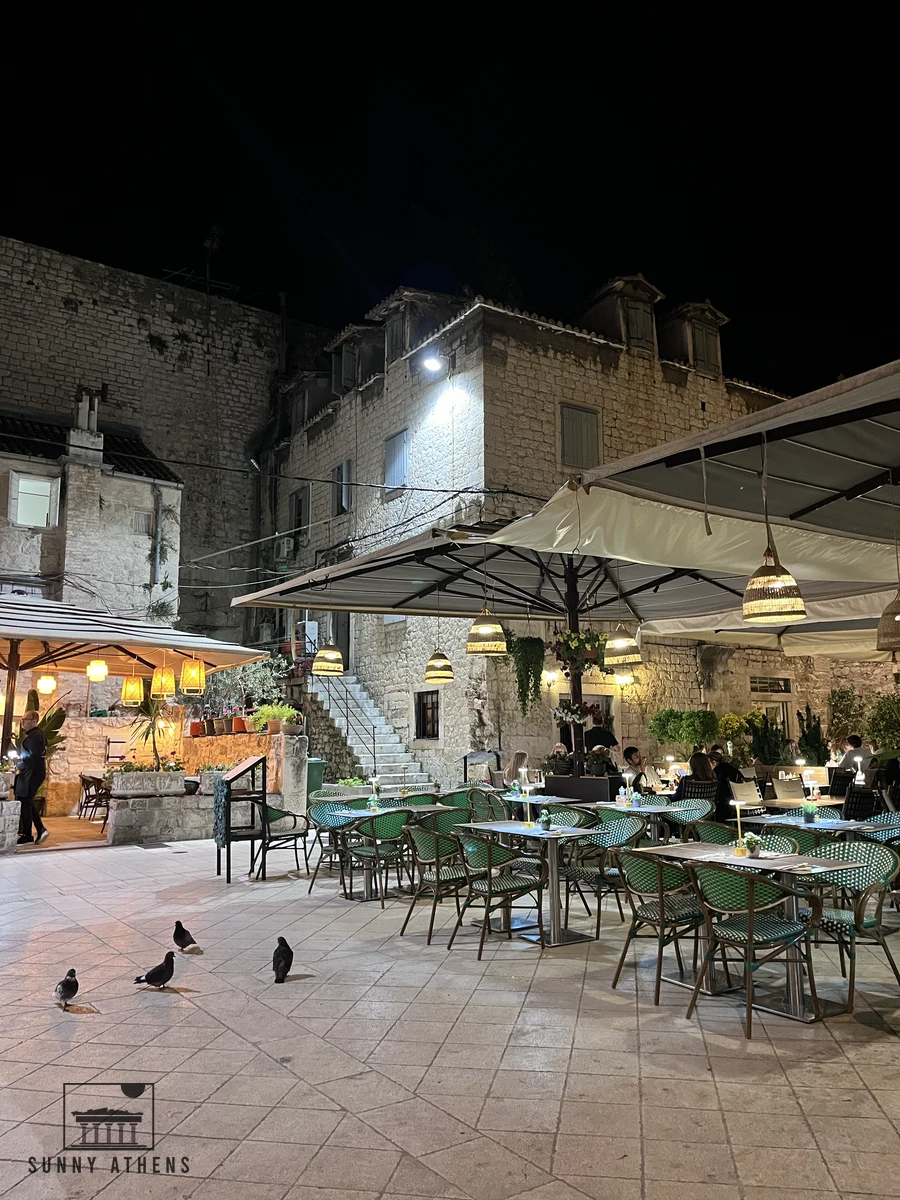
Why: Walking out through the Iron Gate brings you directly onto People’s Square, historically known as Narodni Trg or simply Pjaca. It became the main civic square during the Middle Ages as Split grew outside the old Roman walls. The square has smooth stone paving and outdoor cafes surrounded by historic townhouses, making it a great place to sit down for a quick coffee.
16. Old Town Hall
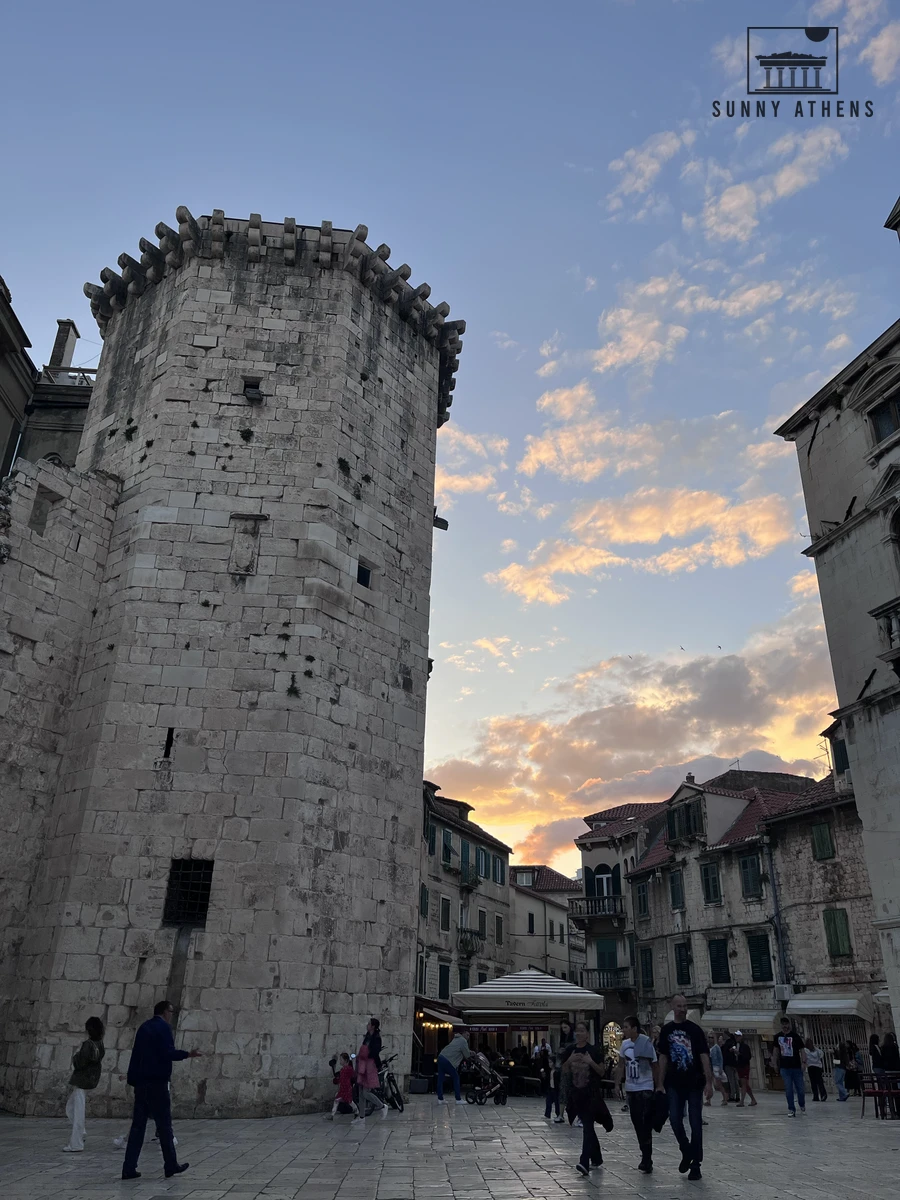
Why: Located on the north side of the square, this 15th-century stone building was once the city hall of Split. Built in 1443, it has pointed windows on the upper floor and an open arched walkway on the ground floor. Today, the restored building hosts art exhibits and cultural events.
17. Pizzeria Portas

Why: Located in a stone alley near the Golden Gate, Pizzeria Portas makes thin-crust pizzas in a wood-fired oven that were the best pizza we had in Croatia. While they have a small courtyard with tables, my personal tip is to order your pizza for takeaway. Take the box over to the stone steps at the Peristyle, find a spot to sit, and eat dinner while listening to street musicians play under the lit Roman arches.
18. Bar Sistema
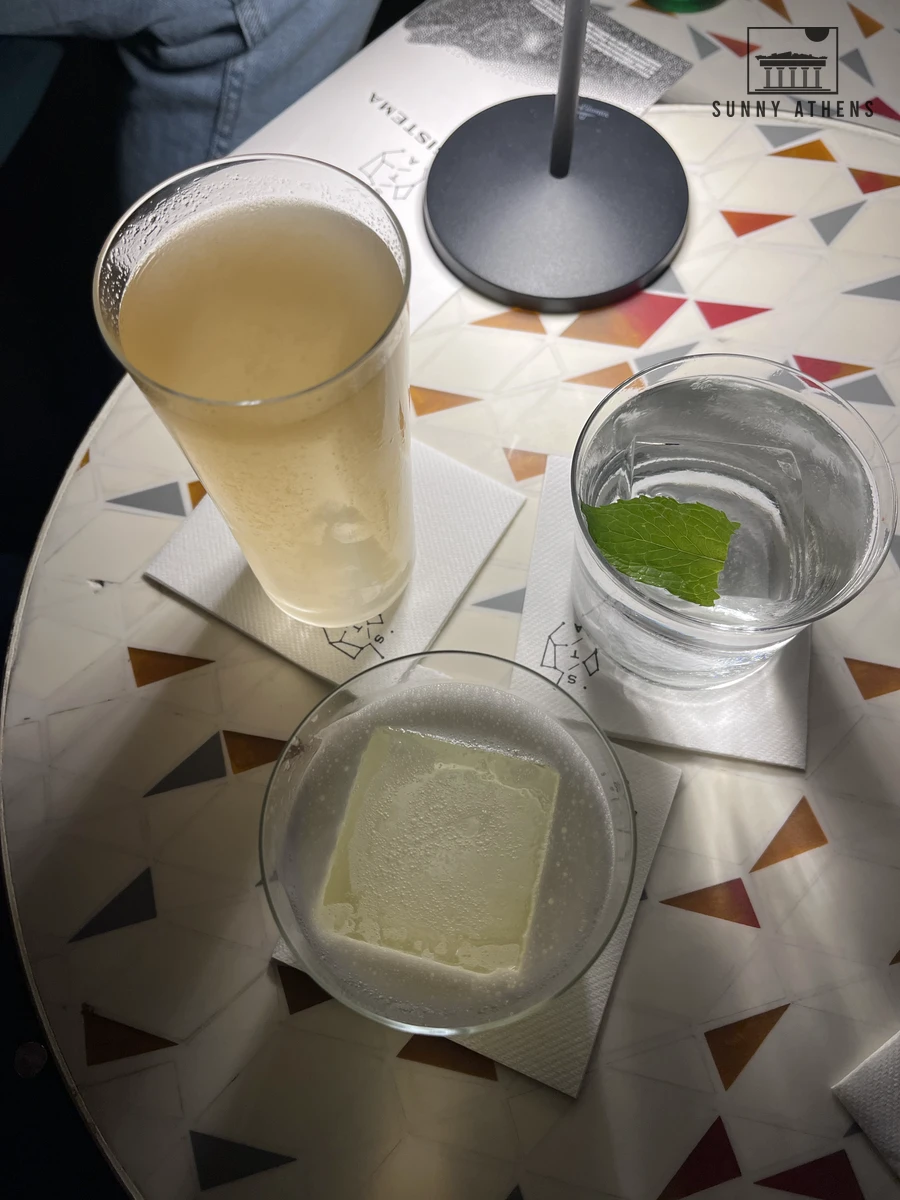
Why: The best way to wrap up your day in Split is with a cocktail at Bar Sistema, located a short walk north of the Old Town. It is one of the premier cocktail bars in the city, with a long wooden bar, good music, and friendly bartenders. I recommend ordering the Navigator, a clean mix of gin, sake, and fresh mint served over ice, or the refreshing Pacifico highball, which make the perfect finish to a full day of walking.
Practical Tips & FAQs
Is Split worth visiting in Croatia?
Yes, Split is definitely worth visiting and easily deserves at least one full day on your trip.
Having a living Roman palace right by the sea gives the town a feel that is very different from other coastal spots.
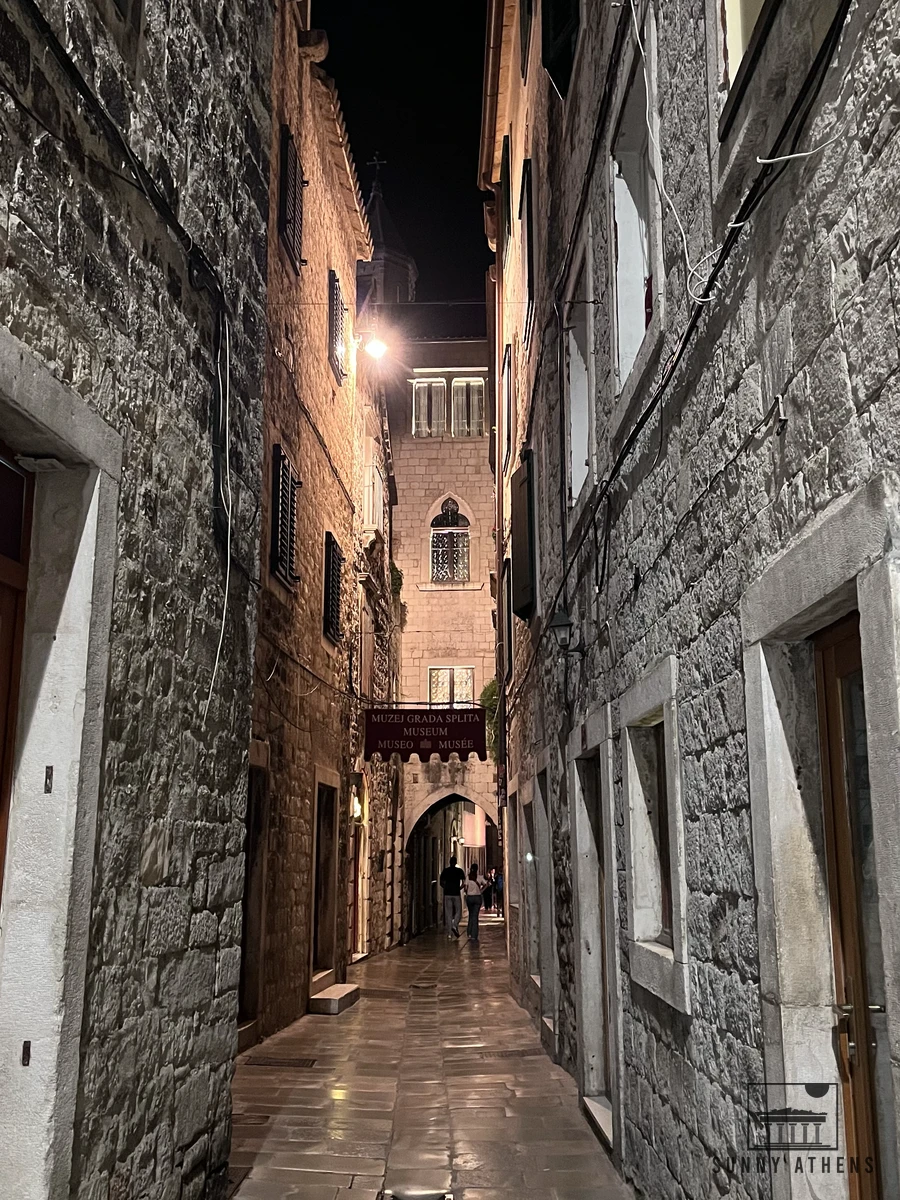
For Chrysavgi and me, walking through the stone alleys at sunset with takeaway food and listening to live music on the Peristyle steps is one of our favorite memories from Croatia.
Which is nicer, Split or Dubrovnik?
Both cities are beautiful, but they feel very different.
Dubrovnik feels like an open-air museum surrounded by huge stone walls and cliffs, while Split has more everyday energy because people actually live and work inside the Roman ruins.
Because the two cities are less than three hours apart by car, you do not have to choose between them; you can easily spend a day in each by renting a car through Discovercars and driving along the coast.
What is the best time of year to visit Split?
The best months to spend one day in Split are May to June and September to October.
During late spring and early autumn, the weather is warm and comfortable for walking, and crowds are much smaller than in the middle of summer.
Chrysavgi and I visited in May during our road trip, and the timing was ideal for exploring the town and walking up Marjan Hill without hot temperatures or crowded streets.
July and August bring very hot days and large cruise ship crowds, so if you visit in midsummer, try to do your walking early in the morning.
How do you get around Split?
Inside Diocletian’s Palace and the Old Town, walking is the only way to get around because no cars are allowed.
The center is compact and easy to explore on foot, but comfortable shoes are a good idea for the stone streets and the steps up Marjan Hill.
If you need to go farther outside the center, local Promet buses and Uber are both easy to use.
Final Thoughts
Split is a beautiful city to visit, and one full day is plenty of time to explore the Roman center and the coast.
Walking through the palace courtyards, looking out over the city from Marjan Hill, and eating pizza on the Peristyle steps made our stay here an unforgettable stop before continuing north toward Plitvice Lakes and Zagreb.
If you are planning the rest of your trip, make sure to read my guide to one day in Dubrovnik.
For other short city breaks, take a look at my walking guides to Wroclaw in one day and Rome in 3 days.
And if you are traveling to Greece, you can explore my home city with my guide to Athens in 1 day.
Plan Your Trip
Stay: Stay: Booking.com (24/7 support, easy booking)
Airport: Welcome Pickups (pre-booked, reliable airport transfers)
Drive: Discovercars (compare prices, free cancellation)
Connect: Airalo eSIM (cheap data)
Do: GetYourGuide (unique tours & activities)
Fly: Skyscanner (find the cheapest flights)
Explore: GuruWalk (free walking tours worldwide)
Protect: SafetyWing (affordable travel insurance)
Sunny Athens is reader-supported. Some links on this page may be affiliate links, meaning we may earn a small commission at no extra cost to you, if you make a purchase. This helps support our work and keeps our travel tips honest and independent. Learn more in Advertise Disclosure.


